
By Chip Somodevilla/Getty Images
Today on the Dish, Andrew debated Frum on Romney's foreign policy, saw through modern Republican courage and wondered how bad the Eastwood buzz was for Romney. He also spelled out why Obama must explain sequestration. After Romney and the Republicans mocked climate change, Pareene took them to task. Earlier, Kevin Roose broke down why the Bain bailout didn't directly screw taxpayers. Then Nate Cohn explained convention bounces, Greg Scoblete marveled at the GOP's "repudiation" of limited foreign policy and while the ad war remained relatively calm, readers wondered about anti-Obama ads on the Dish. Brad Plumer then passed along bad economic news and Felix Salmon dismissed the likelihood of Fed action.
In empty chair news, the interwebs made fun of Eastwood, Goldblog transcribed the Ayatollah debate, bloggers analyzed #Eastwooding, and readers overthought Clint's subtext.
As Netanyahu's government destroyed Palestinian homes, Andrew marveled at the indifference. Swaziland's King Mswati III ruled by witchcraft, Minxin Pei worried about China's decline and a Spaniard demonstrated. Also, China practiced male homosexuality throughout the ages.
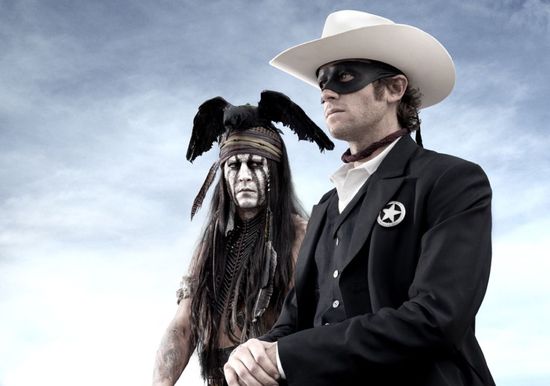
In assorted commentary, Andrew promised to review new research on IQ, while Robert Gonzales assessed pot's effect on same. Barton Swaim poleaxed academic writing, textbook prices outpaced inflation and Johnny Depp became Comanche. Farmers fed cows candy, Marc Tracy profiled Buzfeed, and cooking when you're tired sucked. Meanwhile, Hanna talked matriarchy, Brewster Kahle saved – literally – the internet and a dad donned a skirt. As Gideon Lewis-Kraus investigated Maru and cat cafes, ferrets proved loyal. The world's richest woman then scolded the poor, water balloons exploded and VFYW here.
The rest of the week after the jump:

Thursday on the Dish, Andrew live-blogged Tampa Day 3, tore into the "spectacular vacuousness" of Romney's speech, and, responding to Frum's speculation on Romney's foreign policy, doubted the nominee's backbone. Blogger reax of Romney's speech here and Twitter reax here.
In Tampa Day 2 coverage, Andrew eviscerated Paul Ryan's many lies, Suderman called Ryan out on Medicare, and readers reacted, weighing in on Susana Martinez, in particular. Fred Kaplan was miffed by McCain's and Rice's gall and Steve Coll dismissed Christie's leadership skills. Alex Blagg nominated Ryan for Boy Detective and Comedy Central evaluated the RNC joke success rate. And in the run-up to Romney's acceptance speech, Charlie Cook contended that the it was the most important of his campaign, Millman labeled Romney a leader that "nobody wants to follow," and a chart of the day presented the GOP concept of imminent threats.
Meanwhile, as the campaign aired a slew of Bain ads, Tim Dickinson revealed the extortionate style of Romney's negotiation for the bailout of Bain and readers asked whether the new evidence meant he "didn't build that." Tax experts proved that Romney's plan requires raising middle-class taxes and Matt Taibbi excoriated Romney as emblematic of "lunatic pursuit of instant borrowed millions." In other election coverage, Nyhan mulled the impact of fact-checking, Martin Wolff framed Murdoch's Romney dilemma, and Lindsey Graham lamented the loss of "angry white guys." Obama outflanked mainstream media via Reddit, CNN's camerawoman spoke out on racism at the RNC and Patrick Ruffini noted the marketing style of modern campaign-craft. Nate Silver ID'ed Ohio as a key swing state, a fake ad took "legitimate rape" to its logical extreme, and Michael Moore advised people to start practicing saying "President Romney."
In assorted coverage, Andrew called attention to Sandusky apologism from Father Benedict Groeschel and Syria's body count grew. Stephen Burd wanted a new student loan system, Matt Shafeek praised slow-build comedy, and while Kevin Carey reported on online education efforts, the digital natives were restless. Hanna Rosin discussed the upshot of the end of men, Hollywood exposed itself to piracy, pink flamingos roosted in suburbia and a fat reader cut into the tight workout clothing concept. As Isaac raged, a FOTD captured a displaced mother and child in Kentwood, Louisiana, and, on a brighter note, reporters weathered the hurricane hilariously. Old Spice swooning here, VFYW here and a Robert Herrick poem here.

Sechelt, British Columbia, 12 pm
Wednesday on the Dish, Andrew live-blogged Ryan's acceptance speech, followed by reader reax here. Earlier in the day, he called Romney-Ryan's foreign policy Dickish and highlighted a piece by Mike Lofgren on materialism's eclipse of conservatism. Crowley pondered how Ryan could credibly address Medicare in his speech, and while Leon Wieseltier unloaded on him, the veep candidate's numbers slid.
Reviewing yesterday's convention news, Andrew condemned CNN for its dismissal of a racist RNC incident, while readers pushed back. Andy McCarthy slammed Christie, and as Douthat praised Ann Romney's speech, Noonan noted how it perpetuated Romney's hollowness. Alex Altman called last night a "diversity pageant" and Andrew made the conservative case for Obama on The Colbert Report here.
Looking ahead, Andrew flagged a fascinating LDS discussion about Romney, and while some readers clarified Romney's LDS standing, others pinpointed relgious authorities in US political history. Drum remarked on Romney's brazen lying, John Sides reframed his challenge and Romney feted top donors aboard the Cracker Bay.
While Andrew reflected on humor and politics, Douthat advised the Paulites and Hanna Rosin fielded readers' abortion question. Yglesias then parsed the GOP platform, Team Obama thronged Florida and TNC observed Romney's double standard on affirmative action. Suzy Khimm investigated the party-switching penalty as Noam Scheiber reported on Joe's presidential designs. And while Sarah Palin jumped the shark (yet again), journalists ceded control at conventions and Patrick Gavin's Twitter meta-ed.
In assorted commentary, Paul Rozin rehabilitated recycled water, Maria Bustillos praised Lester Bangs' literary tastes and Teju Cole told of a near-blindness bout. Bill Nye dressed down creationists, Emily Landau examined Rakoff's and Hitchens' contributions to the dying debate, and Oliver Morton potrayed flowing power.
@ then baffled, Frank Jacobs lamented a Disney ride and Sonic blotted out Texas. The Swedish chef spoke a dialect of Norwegian sing-song, FOTD here, VFYW here and MHB here.
By Justin Sullivan/Getty Images
Tuesday on the Dish, Andrew explained why Clinton must "punch hard" and made the case that "every sane conservative" should vote for Obama. After Chait argued that the current GOP has met the end of its era, Andrew live-blogged the "historical second first day of the convention," as Colbert had it (upon whose show, incidentally, he appeared tonight).
Andrew also pondered Romney's willingness to embrace his role as a religious authoritah – particularly given that, as a reader pointed out, Romney's a "high priest." He then speculated on the RNC Thursday-night mystery guest as David Von Drehle considered Ann Romney's rhetorical approach.
In more convention coverage, Mark Thoma ranted about the GOP's self-defeating, hypocritical take on infrastructure spending, Dolan agreed to close out the DNC as well, and Shafer and Jarvis debated the value of conventions. While the blogosphere dissected the GOP's just-resurrected fixation on the gold standard, a Romney staffer poo-pooed fact-checking. But mind you, only partisans watched any of this.
Meanwhile, Mike Lofgren broke down the difference between income and payroll taxes, Monica Potts outlined five things governments do best and a pro-Obama super PAC released an ad on Romney's Massachusetts record.
Elsewhere in the world, Roy Robins took in the slaughter in South Africa, cartels ran money through big banks and a cancer sufferer shared her experience savoring sex. James Parker parsed "asshole," the frozen north melted and readers debunked Max Fisher's Psy interpretation. David Dow and Dylan Matthews weighed the value of harsh punishments, Chinese pigs rutted, and the eskimo-ified Ecce Homo drew adoring masses.
Boomers watched ever-more movies, readers aired views on Lance Armstrong, and Michael Wood analyzed Philip Larkin's "rear-guard nationalism." Readers then offered more views on condoms, Jesse Bering shed light on female ejaculation and the sun set ruddily. And while a syphilis outbreak plagued the porn industry, Jack Lowe judged coporate logo value and readers ultimately found Cork. MHB here, VFYW here, and FOTD here.

Monday on the Dish, Andrew analyzed the personal character of both Romney and Ryan, hailed The Economist's editorial on Romney and missed Hitch's jokes. After hailing the corner-turning in the culture war, he then lamented the extremism of the Republican Party, and as the American Academy of Pediatrics endorsed circumcision, Andrew stood firm in his opposition.
Chris Matthews went to town on Reince Priebus and the GOP, Issac threatened and
Barone observed how counterintuitive convention bounces can be. Moore-style Republican "documentaries" arrived, Hanna Rosin defended the convention tradition, Daniel McCarthy pilloried the GOP for its "mercenary fusionism," and Romney's birther joke raised reader hackles. Meanwhile, as the GOP kept going with its baseless welfare attack, Obama's team released its Tampa onslaught. And the first class warfare ad aired in 1912.
Looking abroad, an Israeli rabbi called for obliteration of the Iranian regime, Gideon Rachmann unhooked himself, and New Zealand announced its withdrawal from Afghanistan. And as Max Fisher explicated the subversive elements of "Gangnam Style," a readers reflected on the excruciation of cataloguing child pornography.
While Anthony Lane eulogized Neil Armstrong, the blogosphere debated another Armstrong's decision. Yglesias grumbled about the "pinch to zoom" verdict, Adam Frucci argued that sexy women were indeed funny and Jesse Bering discussed gay adaptation. And as Garret Keizer explained why privacy is sacred, farters met with punishment in some cultures. Andrew highlighted a bear culture slide-show, readers called "sexism" in Dish sports coverage and car sickness affected women more. Meanwhile, David Brancaccio investigated why we don't share our salaries, Kal Raustiala and Chris Sprigman mulled marijuana branding and snug clothes helped with weight loss. Cute Andrew picture and anniversary shout-out here, MHB here, Cool Ad Watch here and VFYW here. And don't forget to vote on Ask Hanna Rosin anything!
By Ron Galella/Wire Image
Saturday and Sunday on the Dish, books and literary coverage held sway. Mark O'Connell pondered the "Amis Hatchet Job," J. Robert Lennon and Richard Brody analyzed the negative review, Jeanie Riess sampled literary food blogs, Charles Simic applauded the impractical motivation of poets, and Jesse Bering considered his writing's impact on his sex life (he also dispelled pernicious myths about gay men). As the Republican convention drew near, Ayn Rand made two appearances – Alan Wolfe gave the unflattering reason why academics might need to study her and Judith Therman detailed Rand's telling correspondence with Laura Ingalls Wilder's daughter. We also noted David Foster Wallace's faux dictionary entries and the unintended fates of literary estates. Read Saturday's poem here and Sunday's here.
In religious news, Matthew Bowman profiled the Mormon self-help guru Stephen Covey, Jesse Bering answered a reader's question about the evolutionary advantages of belief in God, David Sugarman explored Herman Melville's complex spirituality, Rowan Williams described how we experience mercy, Wan Yong proved that Jesus really was King David's descendant, and Matt Ridley showed how apocalyptic thinking isn't just for believers. And, of course, how could considerations of religion ignore the hucksters and frauds? Scott K. Johnson reminded us that creationism is out of step with Christian tradition and a Canadian pastor claimed physical violence could heal the sick.
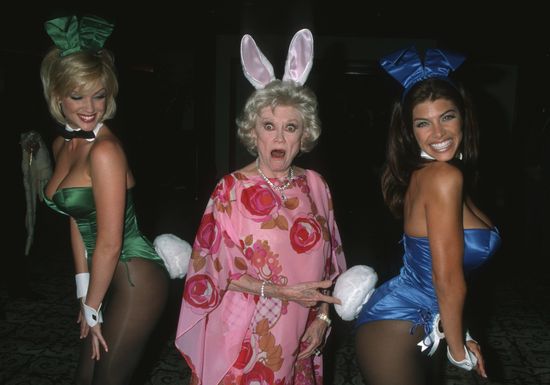
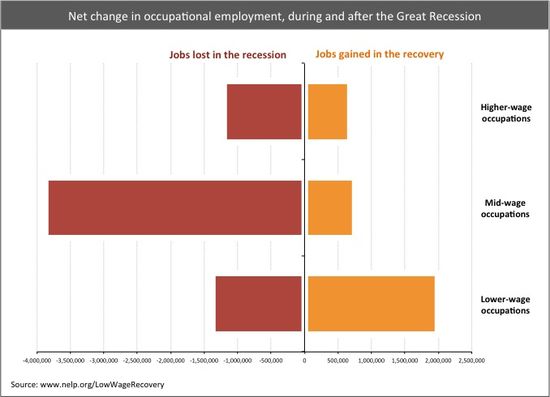
In assorted coverage, Hannah Kaviani reported on social media's impact on disaster relief in Iran, Ashley Fetters remembered the time Phyllis Diller posed for Playboy, Pierre Manent proved to be a believer in American exceptionalism, Scott Aikin and Robert Talisse explained the real meaning of civility, and William Flesch contended that mortality and altruisum were linked. Joe Hanson pointed to Van Gogh's possible color-blindness, Benjamin Sutton further scrutinized the touch-up-a-masterpiece meme, Lisa Miller summarized a new book on the genetically-tinged future of personal ads, Hunter Oatman-Stanford charted the vagaries of contraception in America, Steven Zeitchik examined the NC-17 rating, John Gravois argued against tipping, and researchers checked the raw sewage of European cities to find out what drugs they used. FOTDs here and here, MHBs here and here, VFYWs here and here, and the latest window contest here.
– G.G.


 The Dish