 By Bruce Magliton/Newspix/Getty Images Friday on the Dish, Andrew recommended two ways the GOP could escape its cultural and intellectual dead end, responded to dissenting readers over his characterization of (and seeming banishment from) Fox News, and was impressed by a straight British rowing-team’s (nude) support for ending gay bullying. Andrew and others also considered the possibility of an Obama fiscal bluff, a move Ezra and Tomasky thought was simply the president refusing to negotiate another cliff with only himself. In other political coverage, a few more millennial readers added explanations of their views, Goldblog tackled gun control, Geoffrey O’Brien appreciated the freshness of Lincoln, Bruce Bartlett predicted an inevitable American VAT, and Josh Barro differed with Mike Murphy on how much the GOP’s economic ideas would have to change. McArdle toyed with the idea of fiscal cliff diving, while Daniel Gross tried to figure out how much of that dive would transfer to the stock market. Also, Ezra used America’s low birthrate to appeal for higher immigration, the Democratic base went “meh” over Andrew Cuomo, Brendan Nyhan suggested some improvements for future fact-checking, Pat Robertson earned an Yglesias for urging Christians not to fight science, Tom Goldstein saw SCOTUS on the brink of history over same-sex marriage, and Mike Riggs checked in on some city-governments’ unwillingness to respect voters’ views regarding weed decriminalization. Then in Middle East coverage, Syria’s internet blackout continued and we rounded up some context. In assorted coverage, some readers continued our popular “Roid Age” thread by disagreeing with Andrew’s characterizations of gay attraction, while others widened the discussion to what women do or do not find attractive in men. We also aired some discussion over a new report on the ethics of British media, worried about Superstorm Sandy’s longer-term economic harm, previewed the possibility of journo-drones, examined the cumulative reasons for dropping crime rates, and took a further look at identity and privacy-loss in the Internet Age. Barbara Cain researched devotion and resentment among siblings of the autistic, Slavoj Žižek got GIFed, McKibben let us know that humanity was the new asteroid when it comes to mass extinction, Ann Patchett tried to re-create the happiness of her childhood by opening a bookstore, and Brian Merchant captured the growing popularity of electronic cigarettes, something a few health professionals also weighed in on. Children protested Chicago’s violence in our FOTD, we saw futuristic architecture through the VFYW, and we traversed the ultimate “Gangnam Style” vortex in our MHB, though unlike Bill O’Reilly we both understood and enjoyed it. The rest of the week is after the jump:

Thursday on the Dish, Andrew called out both political parties for their entitlement cowardice, then thought through Ezra’s fiscal cliff suggestions before insisting Obama take the present opportunity for a big deal. Andrew also considered the legacy and future of Zionism, responded at length to Fox News’ avoiding of him and other dissenting conservatives, and though he can’t take three pills a day to replace the tediousness of eating, he did explain the benefits of his single daily dish.
In political coverage, George Will pretended gerrymandering didn’t exist with regards to the House GOP’s “mandate”, Yglesias ignored Senate Republicans due to their irrelevance, Ezra and Waldman acknowledged Grover Norquist had been successful in moving the tax-cut goal posts, Drum charted the universal unpopularity of raising the retirement age, and Josh Barro suggested the GOP aim for some pro-growth redistribution. Also, our debate over the liberal leaning of Asian-Americans continued, the Obama campaign’s creepy fundraising emails worked, Nate Silver highlighted the substantive campaign advantage of having Silicon Valley’s support, and a millennial reader noted marriage equality was possibly the major issue driving young voters to support Democrats. Richard Socarides additionally hoped Obama would insist on gay rights as a part of immigration reform, Jon Huntsman took on the GOP’s war-mongering, Tom Ricks sized up MSNBC, Ackerman looked at the logistics of trying to close Gitmo, Massie offered his thoughts on the differences between Obamacare and the NHS, and Brian Doherty didn’t believe further gun control for the psychiatrically disturbed was worth pursuing. We also continued to process both the meaning and political implications of Lincoln.
In international coverage, Syria’s internet got switched off while Egyptian President Mohamed Morsi tried to make a (second language) point using The Planet of the Apes. In assorted coverage, Felix Salmon explored the world of stock-picking hobbyists, some readers in San Francisco chimed in with their thoughts on the city’s nudity ban, Ron Unz looked for possible discrimination against Asians at America’s elite universities, Mark Vanhoenacker checked the steam pipes under NYC, and Nick Carr pondered the possible moral decision-making abilities of computers. We hope you weren’t sitting down when Kalliopi Monoyios explained how your couch may be trying to kill you, meanwhile Xeni Jardin offered us our very own model fetuses, and readers added their thoughts on the morality of The Walking Dead as well as on the nature of of 401(k)s. We also dove into the story behind the Church of England’s rejection of women bishops, broke down the dynamics of alcoholism, met a cheetah ambassador in our FOTD, watched the leaves turn in our gorgeous MHB, and saw a morning in Virginia through the VFYW.

Wednesday on the Dish, Andrew responded to readers who pushed back on his steroid advocacy, shook his head at the lack of GOP sanity over tax cuts, contemplated Goldblog’s idea to grant Palestinians Israeli voting rights, and joined J.J. Gould to explore the moral scope of The Walking Dead.
In political coverage, Cohn and Ezra thought through the negative side effects of filibuster reform for Democrats, Ambers guessed at Hillary’s 2016 intentions, Peter Gergen pointed out the cynical politicking of Susan Rice’s detractors, and Chait and Drum previewed America’s liberal future via Obama’s youth support. We also considered the influence of Maude’s 1972 abortion, as well as dug into Lincoln’s theme of compromise, while Avik Roy earned an Yglesias nod for pointing out the importance of the uninsured electorate, Rick Warren did anything but channel Jesus for a Malkin nomination, Waldman was pessimistic over Obama’s drug enforcement plans, Pethokoukis and Frum mixed it up over the benefits of economic growth for Democrats, and Peter Kellner looked at conservatives’ impractical uneasiness about adulterers and gays. In international coverage, Tahrir Square stood on the brink of mass violence, while Egypt’s Islamists tried to rush through a new constitution and Israel added a way to discriminate against Arabs.
In assorted coverage, readers weighed in on the attractiveness of cut men, Kristen McConnell argued for letting people die instead of subjecting them to intensive care, Alyssa challenged Richard Cohen to apply his unnatural modern-man argument to women, McKibben explained the dangers of the Keystone Pipeline, Alan Sepinwall explored the origins of the TV’s dramatic Golden Age, and Alexis Madrigal street-viewed with the added depth of Instagram. We also met a whacky Japanese inventor, heard Jellyfish researcher Shin Kubota opine on mankind’s unnatural path, and weren’t afraid to discuss the “phobia” in “homophobia”, or to uncover the reality of college costs. Tom Simonite went over Google’s attempts to anticipate our hidden needs, Brendan Carney Byrne tracked the end of Irish gangster-power, Ben Schwarz eulogized the Great American Songbook, and Saletan noted the bourgeois anti-nudity push of San Francisco’s gays. After China launched a meme from its one aircraft carrier (as seen above), we looked at original Cambridge through the VFYW, watched stop-motion color in our MHB, and considered the plight of our Frenchman FOTD.
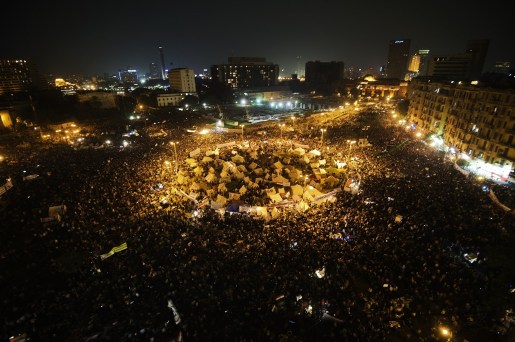
By Gianluigi Guercia/AFP/Getty Images
Tuesday on the Dish, Andrew took on Richard Cohen over the muscled modern man, joined Melik Kaylan in lamenting the Internet age’s effect on privacy, joined readers in responding to ex-stoner Obama’s silence on legal weed, supported Frederic Filloux’s more sensible release schedules for TV shows and movies, and was awedby Einstein’s brain and the “physical incarnation of human intelligence”.
In political coverage, Chris Geidner examined this week’s possible SCOTUS announcements regarding marriage equality, Massie broke down the civility gap between the US and UK, Hertzberg wanted to bust up the filibuster, Tom Ricks didn’t apologize for calling Fox News a wing of the Republican Party, and we rounded up some responses to the left-leaning of Asian-Americans. Not forgetting the looming fiscal cliff, Stan Collender anticipated a nail-biter, while we also heard the ACA was already changing US healthcare for the better, aired more discussion about the demographic advantages of American immigrants, and explored Obama’s possible kill-list hedge in the event of a Romney victory as well as contemplated the present state of America’s autonomous killing machines.
In international coverage, we checked in on the massive anti-Morsi protests in Tahrir Square, readers thought through the logic of Israel’s blockade of Gaza, the UK backed Palestinian statehood, and Marta Franco summed up the status of gay rights in India.
In assorted coverage, Tyler Cowen took apart Robert Solow, Phillip Cohen looked into the statistical relationship of violent crime to single motherhood, while Human Rights Watch disconnected violent crime from marijuana use, Allison Aubrey took us to war over nutmeg, John Quiggin deflated the importance of oil, and Emily Wilson noted the dangers of motherhood in ancient times. Also a reader suggested a Dick Morris Award for the sports world, McArdle and Yglesias mixed it up over the Walmart strike, Dolly Parton was mistaken for a drag queen, Ritwik Deo shared his perspective as a nimble-toed butler, and Jane Hu destroyed the myth of live-gerbil sex toys. We also wondered if 401(k)’s were just subsidizing the rich, learned not to expect electric brains outside of science fiction, saw Albanian pride on the FOTD, saw Winston-Salem through the VFYW, let readers zoom in on Chile in this week’s VFYW contest, then watched as dogs and babies went at it in our MHB.

Monday on the Dish, Andrew appreciated Bruce Bartlett’s ballsy reason-following, warmed up a bit to New York City, reiterated the real-world incompatibility of Israeli settlements, and didn’t buy Walter Russell Mead’s dispassionateness about Gaza. In other Middle East coverage, Beinart grimaced at the Palestinian Authority’s UN statehood bid, Sarah A. Topol reported on Gaza’s many border tunnels, and we rounded up analysis of President Morsi’s power grab in Egypt.
In political coverage, David Corn pointed out Obama’s fiscal backbone, Eliza Gray let us see the GOP’s Univision problem, Pareene did a postmortem on Campaign 2012’s Twitter humor, and Rick Hertzberg did the math to unravel the House GOP’s mandate claim. Meanwhile, readers shared the political views from their Thanksgivings, Surowiecki advocated for more infrastructure spending, Frum anticipated a changing Obama/GOP dynamic, and Mark Mazower took liberal intellectuals to task for ignoring controversial political theories. We also wondered about healthcare cost reductions via Obamacare, Lauren Sandler broke down the fertility divide between red and blue states, Rick Perlstein reflected on dishonest conservative leadership, and Bill McKibben highlighted the partial success of anti-coal environmentalism.
In assorted coverage, Benjamin Wallace-Wells thought through the ramifications of a possible end to the war on drugs, The Economist went over the dropping murder rate in Mexico, Mike Konczal worried about the high incarceration rates of black parents, and Radley Balko was encouraged by new police training on how to better handle pet dogs in the field. David P. Barash dug for the biological roots of homosexuality, William Langewiesche let us know what it was like to be in the French Foreign Legion, Daniel Siedell suggested the cause and effect of artists acting weird, and Randall Fuller championed the literary rebellion of Melville, Dickinson and others. Also, McArdle dismissed the Walmart strike, Rebecca Joines Schinsky took us to tumblr for some unhelpful Amazon product reviews, and Bilge Ebiri reality-checked the schemes of Bond-villains, while we looked forward to gamers becoming surgeons, traveled to Seville for the VFYW, watched a man’s clothes drop in our MHB, and waited with our FOTD for a polluted-fish meal.

By Bill O’Leary/The Washington Post via Getty Images
Last weekend on the Dish, we explored the Thanksgiving holiday and its capitalist corollary, Black Friday, along with providing our usual literary and cultural coverage.
In Thanksgiving coverage, Mark Perry celebrated America’s abundance of affordable food, Anna Spiegel outlined the process by which the turkey President Obama pardoned was chosen, Michaeleen Doucleff was impressed by an algorithm that predicts how successful a recipe will be, Tara Parker-Pope fact-checked diet food companies’ claims about Thanksgiving caloric intake, and farm-bred turkeys turned out to be both threatened by climate change and subjected to cruelty on their way to your table. Stephen Marche urged us to ignore the foodies and indulge in Thanksgiving feasting, Elizabeth Gunnison explained how to salvage burned dishes, Rosecrans Baldwin deemed Thanksgiving a holiday for adults, and Shamus Khan provided a short history lesson on those who have to work on holidays. Hesham Hassaballa pondered God’s gratitude, Akim Reinhardt debunked myths about Thanksgiving’s origins, Rachel Shukert nominated Thanksgiving to replace Christmas as our biggest holiday a reader told a story of holiday political discussions, Madeleine Johnson investigated the dark history of cranberries, and Dana Gunder noted how much food we waste. Don’t miss the Thanksgiving Hathos alert here and master storyteller Ed Gavagan’s Thanksgiving tale here.
We also dissected the mania of Black Friday shopping. Farhad Manjoo declared that Black Friday is for suckers while Kevin Roose called it a behavioral economist’s nightmare, Dorian Warren supported the Wal-Mart strike, The Week explored Black Friday’s history and recent rebranding, and Rebecca Greenfield explicated why we delight in the frantic day of shopping. Josie Leavitt lamented that she no longer receives books as gifts as Reddit offered a lively thread on gifts that men are tired of getting.
In literary and culture news, Maria Popova noticed a fascinating episode in the ongoing relationship between food and literature, Dustin Kurtz reflected on reading Moby-Dick aloud, Yuga Igarashi couldn’t escape the editing mindset, Adam Kirsch examined literature’s connection to history, Robert Krulwich consulted Montaigne on what death feels like, Jessica Vivian Chiu ruminated on the nature of friendship, and Matthew Lee Anderson extolled intellectual empathy. Casey N. Cep considered the way poets eulogize one another, Matthew Bell speculated about the impact of Lincoln’s barber, Bee Wilson learned about how the development of cutlery impacted the alignment of our jaws and teeth, Christopher Harding reflected on the role of psychology in religion, and Roger Forsgren profiled the Nazi architect Albert Speer. Charles Simic observed how places can trigger old memories, Megan Garber kept an eye on the Grim Reaper, John Horgan struggled with teaching evolution to students who believe in creationism, Linda Rodriguez McRobbie expounded on boredom’s relationship to disgust, and Jason Wilson encouraged his students to stretch their tastebuds when tasting wine. Read Saturday’s poem here and Sunday’s here.
In assorted coverage, Michelle Andrews reported that cannabis co-pays don’t exist, morning wood had its health benefits elucidated, Nell Lake set forth the risks that come with increased Cesarean section births, a new study suggested that music can result in an effect similar to runner’s high, Nathan Heller noticed the Internet is getting nicer, and Matt Zoller Seitz reviewed Ken Burns’ latest documentary about the Dust Bowl. Vaughan Bell highlighted time-sensitive sexual taboos, Marian Stamp Dawkins defined animal welfare, the Internet generated the rave’s second wind, Violet Blue feared the introduction of facial-recognition software into porn, Jesse Gamble related how bears have coped with climate change, the universe proved to be past its prime in terms of making stars, and the charms of Sunday dinners with family were remembered. MHBs here, here, here, and here. FOTDs here, here, here, and here. VFYWs here, here, here, and here, and the latest window contest here.
– C.D. & M.S.


 The Dish