Today on the Dish, Andrew swore to never resist the aging process again after yesterday's beard-catastrophe. Goldblog tackled Andrew's Israel lobby frustrations, and Eugene Volokh dug deeper on Israel's rape by fraud case. Hamburger health insurance created an interesting dilemma for Obama, and we covered the verdict on the mandate's constitutionality. Andrew still couldn't pull the lever for Harry Reid, this reader nailed the Greenwald spat to the wall, and others piled on. We heard from a child psychiatrist's reservations about opening up the cannabis closet, Hitch's humor was alive and well, and the Tea Party was running a fake candidate.
On the pot front, Brian Doherty followed the No on 19 money, Maia Szalavitz wondered what Prop 19 would do to usage numbers, and this reader put New Jersey's medical marijuana program in its place. Chris Weigant thought pot could save the Democrats, and the Republican proposal to drug test the unemployed was as misdirected as it sounds. For your sex fix, Savage outed this justice as a sexual hypocrite, and the Jewish Standard made a splash and then backtracked with this same sex couple's marriage announcement. And Valerie Jarrett was set to shill for the Human Rights Campaign this weekend.
Felix Salmon gulped over the jobs report, WaPo sunk to a new low and published D'Souza, and the casting call for this political ad could have cut the posturing.Democrats might win the moderates, Kilgore jumped in to the enthusiasm gap debate, and Bernstein budgeted the future under a Republican congress. America's decline was as imminent and as unlikely as ever, and Slate asked who gets to be a feminist? Walter Russell Mead decoded the Castros' Cuba, and Urbanophile assessed the New York model for better living. America used to need England's help to build houses according to Bill Bryson's new book, and our army recruits turned the corner.
The American people hired a lobbyist, Saletan heralded the rise of heterosexual anal sex, and you, America, were not a witch, but a man who wanted your money to buy pizza. Some Dish readers came out as stag-hags or bro-mos or insert your nickname here, we sated our curiosity as to when "it" drops, and our minds were blown by these Reddit facts. Chart of the day here, MHB here, FOTD here, Friday poem here, VFYW here and in memoriam here, and your moment of extra gay here.
The Japanese Popstars Feat. Green Velvet – Let Go from David Wilson Creative on Vimeo.
Wednesday on the Dish, Andrew pressed the Catholic church to embrace gays and the special cross of suffering they bear. Andrew defended Obama's "Kenyan rage" at Wall Street and healthcare companies against D'Souza, and wished for a Tory-like Tea Party: "socially centrist, fiscally badass."
Readers attacked Andrew's meager defense of Glenn Beck, Douthat dug deeper on defense spending, Rand Paul went back to loving Medicare, and Drum wondered if Republicans were just blowing smoke on repealing health care reform. Chait questioned the National Review's support of Romneycare in 2008 versus what they'd say today, and Silver dissected the enthusiasm gap. Joyner joined Schwarzenegger in predicting Obama's second term, Ben Smith scooped the story on the Palin model of endorsements, and while Palin is no Thatcher, Claire Berlinski just about called her candidacy for president a case of "mass psychosis."
Kinsley echoed Silverstein on intellectual dishonesty in D.C., Howard Kurtz killed Silverstein's will to report, and then got promoted at the Daily Beast. Autotranslate amazed Goldblog, the Tories weren't fiscal frauds, and Rufus F. appreciated the culture wars because culture matters. NOM sought revenge on Iowa's judges, and 4.2 percent of men are gay. Life got better for Tim Gunn, and Phoebe Maltz remained hesitant to complain about the portrayl of Jewish women. John Cole explained how we create terrorists, and prosecutors break laws too. Size does matter and explains why California will legally lead the way with marijuana.
Monty Python took Jesus Christ out, John Scalzi voted for smart yogurt, and not counting emotional attachments, pot wasn't worth more than gold. Headline of the day here, VFYW here, MHB here, FOTD here, and map of the day here.

Montreal, Canada, 8 pm
Tuesday on the Dish, Andrew stayed his ground in the aftermath of Greenwald's barrage and seconded Hitch on the power of the pro-Israel lobby. Conservatives had to come to terms with the war on drugs if they wanted to argue limited government in Obamacare, and Niall Harbison only needed Twitter for his news but Andrew disagreed.
Christine O'Donnell was not a witch unless you are, because she's you, but it was her China conspiracy theories that put Fallows over the edge. Ezra took Friedman to task on third party possibilities, Silver came to Friedman's defense, but was skeptical of Gallup's likely voter model. Obama's poll numbers eerily reflected Reagan's, while Glenn Beck dropped some Mormon code against Obama. Beinart envisioned failure for the Tea Party on slashing spending, while the U.S. was still number one in defense, with more than half the entire world's defense spending. Volokh disassembled the wall between church and state, the rebirth of books happens every six months, and a word to the wise: do not combine Canada with an i-phone.
Mormon Dish readers bucked Packer's homophobic remarks, The Wire had lessons for New Haven, and Schwarzenegger's progress on pot was overshadowed by the lack of progress on other drug issues. Surowiecki mined the philosophy of procrastination, and gay-bashing also threatened straight men. Abstinence only education continued to be funded, and Iran interrupted the lives of its young, but most Americans still weren't anywhere close to supporting a war with Iran. Pet Shop Boys' new single likely kept the band "Together," Andrew feared no beard, and Larry Kudlow didn't like the looks of Obama hugging Rahm. Readers defended their vegetable gardens, creepy ad watch here, Malkin award here, VFYW here, MHB/ VFYR here, FOTD here, and VFYW contest #18 here.
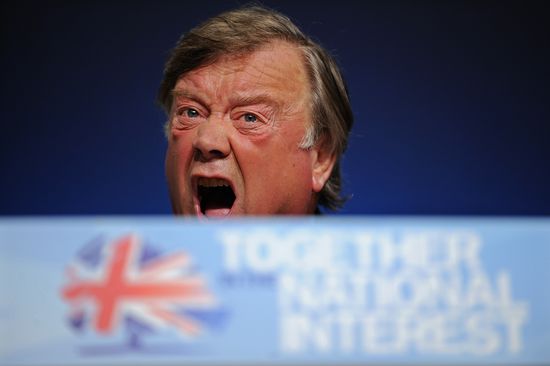
By Ben Stansall/AFP/Getty Images
Monday on the Dish, Andrew looked to Israel's moment of truth on the settlements, pulled the reins on Glenn Reynolds, and (almost) defended Glenn Beck. Scott Horton held the adminstration to task on al-Awlaki, and Andrew fought back against Larison on the semantics of killing. Andrew had qualms about the premise of Sam Harris' new book, but that wasn't going to prevent him from reading it.
Mary Fallin abused the Palin model to the extreme, while Calvin, of Calvin and Hobbes, thought it up first. Jim DeMint kept Christianism alive, attacking gay and female teachers while Dan Savage wanted to see some gay Christian characters on television, but he didn't care for "good" Christian children taunting gay kids. Smear campaigns work, Tom Friedman's third party presidential prospects weren't looking good, and Chait skewered a culture war that is really about economics. We parsed the tax receipt proposal, a reader defended Alan Grayson, and financial reform could be simpler.
Kyle Berlin toured California's first pot factory, we tracked the back and forth over Michigan's medicinal laws, and Rob Kampia started full court press on Prop 19 since it's definitely better than the 1972 initiative. Idaho welcomed a mosque into its community, the housing bust devastated Florida (in photos), and Lee Billings didn't believe in the "Goldilocks" planet. Adam Ozimek championed the societal good of frozen vegetables, and the U.S. needed to hop on the frugal engineering bandwagon. An anonymous freelancer reported from Beijing's casual tyranny, and Ken Silverstein couldn't stand Washington any longer. Jon Hamm liked websites, teenagers used condoms more competently than adults, and American captives gave North Korea the finger. FOTD here, VFYW here, MHB here, and the acronym you need to know here.
–Z.P.
 The Dish