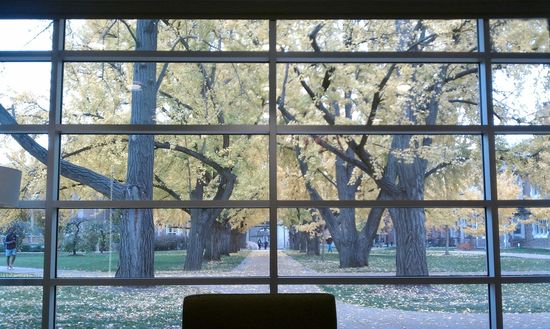
You have until noon on Tuesday to guess it. City and/or state first, then country. Please put the location in the subject heading, along with any description within the email. If no one guesses the exact location, proximity counts. Be sure to email entries to VFYWcontest@theatlantic.com. Winner gets a free The View From Your Window book, courtesy of Blurb. Have at it.
Gabriel Sherman takes stock of the future opinion pages of Rupert Murdoch's new iPad-only newspaper:
In stark contrast to those of Murdoch’s existing American papers, The Daily’s politics will be centrist and pragmatic—Bloobergian, if you prefer—according to people close to the project. … If you know his record, it’s not surprising that Murdoch would be this ideologically pliant. Throughout his career, he has moved to align his media interests with the shifting winds; in the U.K., for example, his papers took a favorable view of Margaret Thatcher, then pivoted to do the same for Tony Blair. Yes, this is the same Rupert Murdoch who gave $1 million to the Republican Governors Association and has Sarah Palin and Glenn Beck on the payroll. But he’s sinking at least $30 million into The Daily, and he’s a businessman first.
This week Rowan Somerville won Literary Review's Bad Sex in Fiction Award for his second novel, The Shape of Her, and for sentences such as this:
Like a lepidopterist mounting a tough-skinned insect with a too blunt pin he screwed himself into her.
In response, Laura Miller stands up for fiction that can arouse us:
The presenters of the Bad Sex in Fiction Award gleefully seize upon their targets' most outlandish metaphors; Somerville compared a nipple to the "nose of the loveliest nocturnal animal, sniffing in the night." Yet perfectly serviceable, if disreputable, four-letter words risk turning a scene, in the words of one commentator, into something "perilously close to erotica, with its cheapening effect of sexual arousal." And we can't have that, can we?
Well, why can't we? Is there any reason why the literature that makes us laugh, cry and rage shouldn't also, occasionally, turn us on?
Paul Devlin continues his quest to correct the record of bad transcriptions in the new Anthology of Rap. Devlin spoke with Adam Mansbach, a member of the anthology's advisory board who was disappointed with the collection:
[T]his is a book that seeks to establish the relevance and artistry of hip-hop lyricism, and instead it's made many of the world's best MCs look downright incoherent by misrepresenting their words.
When Ice Cube says "your plan against the ghetto backfired," and it gets turned into "you're playing against the ghetto black fly," more has happened than just a simple error in transcription; you've made an important song perplexing and impenetrable—while staking a claim, backed by institutional power and market presence, that your version is canonical.
Over at The Nervous Breakdown, Art Edwards admits his own history of misheard lyrics and debates whether he likes his own versions better.
Today on the Dish, Andrew tried to understand a man like McCain who could condone torture and betray (gay) soldiers he claims to appreciate. Fred Kaplan fingered McCain's faulty logic on DADT, and James Fallows was disappointed by McCain's late-era loss of his historical standing. Scott Brown and Olympia Snowesided with repeal, Greg Sargent reassured everyone about a relaxed timeline for implementing it, and Adam Serwer exposed a sickening GOP strategy for avoiding pinning a DADT repeal on unelected judges. Dan Drezner unloaded on DADT, Yglesias prodded its supporters, Ezra Klein explained a filibuster, and 28% of Americans live in a jurisdiction recognizing same-sex marriage. Andrew responded to George Weigel on the Pope's condom comments, and Yglesias awarded kudos for what Wikileaks says about North Korea. John Limbert outlined why Arabs and Iranians don't get along, and Marc Lynch and John Nagl made the case for more diplomacy in Iraq.
Andrew singled out Paul Ryan as a fiscal fraud for killing the deficit commission. We gathered reax to a gloomy jobs report, tracked the tax cut game of chicken, and Felix Salmon eyed 9.8% unemployment. Matthew Continetti urged the government to invest, not just consume, but Yglesias begged to differ. Bruce Bartlett thinks a deficit plan would slow growth, and Jonathan Cohn predicted a hard road ahead for healthcare repeal. Reader asked Cher and Justin Beiber to shut up and sing, pub culture was endangered in the UK too, and Ben Sherwood's resume mucho just got another boost. The spousal diaspora extended to military families, Fox News hogged almost all of the GOP's pundit stars, and Pete Wehner chose civility.
Wikileaks quote of the day here, quote for the day here, VFYW here, cool ad watch here, MHB here, and FOTD here.
Thursday on the Dish, Andrew protested and mourned the removal of David Wojnarovicz's video "A Fire In My Belly" at the behest of Bill Donohue. We tracked day one the DADT hearings, and awed at McCain's shameless flip-flopping. There were hints of a huge civil rights movement in the gay community (and not to advance marriage-lite) and for Hispanics. Frum countered Wilkinson on the DREAM act, and Scott Brown pleased his state across party lines and may vote to repeal DADT. Andrew insisted anti-Semitism wasn't raging in Adams Morgan, Douthat compared Assange to al Qaeda and Will Wilkinson reassured us leaks will happen with or without Assange. Timothy Garton Ash appreciated the candor of the cables, and American diplomats in Germany didn't care for the privacy of German citizens.
Palin obscured the economic reality for working class supporters, and even her supporters urged her to rise above her celebrity gossip status and actually address some policy arguments. Andrew advised Obama on his next big gambit, we sized up Bloomberg's shot at 2012, sniffed the blood in the water for Pawlenty, and got some historical perspective on past primary dwarves that have risen to the occasion. Stan Collender and Howard Gleckman plumbed the depths of deficit commission's pitch and Bernstein dug away at whether deficits matter more than just politically. The GOP was bipartisan in name only, and the west coast was impenetrable to the Republican tsunami.
The smug not only burned, it also bombed. Readers got wild and crazy on bicycle dates, nerds had similar startup ideas, and the suburbs killed American pubs. We asked the Partridge family to shut up and sing, and the spousal diaspora spread. Iraqi police dressed the part, Scott Morgan caught us up on the cannabis substitute ban, the pill could be affecting fertility, and Michael Agger wanted to mine Facebook's data to improve society, not just to fill the coffers of advertisers.
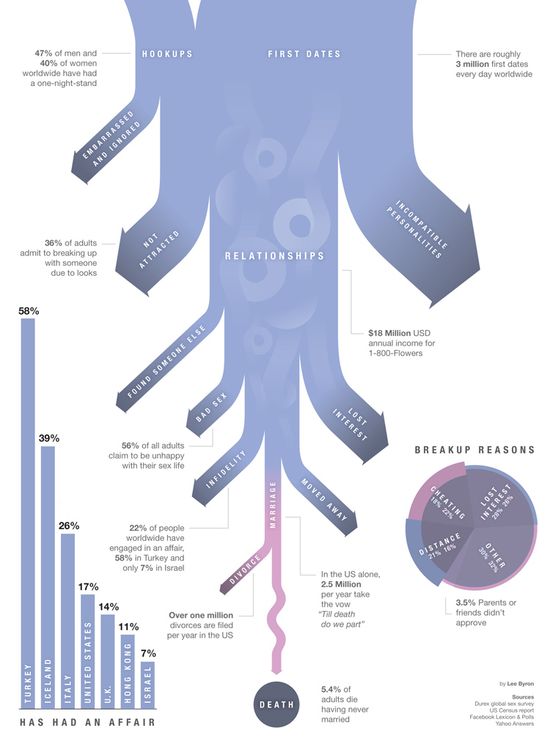
Chart of the day here, tweet of the day here, Malkin award here, email of the day here, quote for the day here, VFYW here, MHB here, and FOTD here.
Ian Kington/AFP/Getty Images.
Wednesday on the Dish, Andrew raged against the dickishness of the GOP and the prospect of a failed DADT repeal. Andrew skewered Douthat on the idea that during W's reign the right showed anything like the integrity of the left under Obama. And in another round with Goldberg, Andrew cited a recent poll on what Arab countries really think of a nuclear Iran, to demonstrate that these countries aren't really aligning with Israel.
On Wikileaks, Andrew argued Julian Assange is a red herring for a new era in internet culture, and that it has helped expose torture by the U.S. government. Aaron Bady pointed to the real damage done by Wikileaks, by hindering the government's own internal ability to communicate. Karim Sadjadpour pondered a democratic Iran, Kristol wanted to whack Wikileaks, and Matt Welch called him "flippantly authoritarian." Drum simmered down the partisan sniping, and Robert Gates shrugged.
Andrew was moved by Palin on Trig's future adult life, and wondered about the whereabouts of the anti-Palin brigade. Frum would settle for a Romney-Huckabee ticket, and Allahpundit insisted Palin wins the Huckabee followers if he doesn't run. The Fiscal Commission released their final proposal, and the next leak was aimed at a big bank. Bernstein defended why deficits don't matter politically, but Andrew wouldn't totally excuse it. We parsed Mike Pence's speech on economics, the housing bubble was still popping, and AGs waged ideological warfare. Andrew sang his own tribute to World AIDS Day, and it wasn't his offer to "die digitally." Gregory Johnsen didn't think killing Al-Awlaki was going to solve the problem of Al-Qaeda in the Arabian Peninsula. Dish readers divulged their own spousal diaspora tragedies, and defended Lennon's "Imagine." Ryan Avent pined for an American version of the British pub, and movie spoilers are as old as Greek tragedies.
Cool ad watch here, fails of November here, MHB here, Malkin award here, 2010 in photography here, Yglesias award here, VFYW here, FOTD here, and your Dish Christmas guide here.
Tuesday on the Dish, Goldberg rejected the claim that he wants war with Iran, and incensed Andrew with his conflation of Israel with all Jews, while Andrew remained adamant that Iran remains as dangerous as ever. WaPo leaked the DADT report, and Andrew breathed a sigh of relief at how sane, fair and extensive the report was. Obama stepped up his support, military families were against DADT, and we rounded up the full web reax. A Dish reader chalked it up to McCain being old and out of touch but Andrew wasn't buying it. Kim Kardashian was going to die on Twitter to stop AIDS, civil unions still don't sound as good as marriages,and Orin Kerr had his doubts about Judge Stephen Reinhardt's place on the Prop 8 panel.
We kept on top of the Wikileaks story with Andrew's take on the Forbes cover story, Will Wilkinson's defense of the substance of the leaks here, and a rebuke to Assange here. Simon Jenkins opened the floodgates on what's wrong with American foreign policy, and George Packer and Greenwald debated whether governments have a right to secrecy. Bill Keller tried to justify Wikileaks to a former British diplomat, Fred Kaplan showed us the bright side of Obama's diplomacy from the leaks, and Sarkozy chased a dog chasing a rabbit.
Andrew weighed in on the federal pay freeze and his longview on Obama and the debt, and joined the Douthat/ Fallows debate on our ability to hold principles to account, no matter the president. Adam Serwer shut down Marc Thiessen on torture, Iraq got scammed, and Stan Collender argued fiscal hawks should praise TSA's body scanners. Fox News amped up its GOP presidential candidate production with the Fox Five, Mason Herron threw cold water on Christie in 2012, and we talliedprobabilities on Palin. McCain's former advisor begged Palin not to run, as did Pravda and four "educated Jews." David Sessions honored Alex Pareene with the hackiest religious pundits, a Harvard illegal immigrant mourned the DREAM Act, and Anderson Cooper was on fire.
Dan Ariely wrote your Christmas shopping lists, Reihan predicted Microsoft will rise again, and alcoholic whipped cream comforted us. Some readers don't like to take dates on bikes, while other readers were happy to bike their kids and spouses around. Readers photographed their own pictures of America, and Alexis Madrigal summed up Nick Denton's vision for the future of the internet. "Imagine" made the Shut Up And Sing contest, and readers added their two cents on Disney's cartoon omissions.
Voyeurs' doornob here, Yglesias award here, Hewitt award here, MHB here, FOTD here, VFYW here, poseur alert here, chart of the day here, and VFYW contest winner #26 here.
Redding, California, 7.30 am
Monday on the Dish, Andrew considered Beinart's assertion that Wikileaks might be the Starr Report of American foreign policy. Marc Lynch kept an eye on Al-Jazeera, and we tracked more reactions to the document dump here, and here. Andrew countered Goldberg's rejoinder on Israel's interest in attacking Iran, and wouldn't let him chalk it up to anti-Semitism. Fallows pwned Douthat along similar lines, Wikileaks revealed what Netanyahu wants, Ben Smith covered Israel's own version of Fox News, and the human element remained an important part of the peace process. And Andrew shook his fist at the spousal diaspora that only the U.S. perpetrates.
Palin was grateful on Thanksgiving for being able to drag her kids around on her book tour, but Bernstein still didn't think America was buying it. FrumForum wrote her Alaskan Cliff Notes so you don't have to watch, and Palin could have stopped Wikileaks since she almost stopped her own book leaks. Andrew weighed in on whether Republicans were sabotaging the economy, and was grateful for the Muslim fathers concerned about their extremist sons. Brian Curtis sounded the alarms on possible immigration subcommittee chair Steve King, and we got the Prop 8 update here. An education was expensive, but not as expensive as the exorbitant amount we spend on defense. Ending the marijuana prohibition could provide training wheels for legalization, states might be able to declare bankruptcy, and Medicare was moving quickly towards unsustainability.
The Simpsons jabbed Fox News again, Hitchens found time in his busy schedule to battle Tony Blair, and congressmen cited the bible on climate change. Andrew opted for his bicycle over the new Chevy volt, Kid Rock was the Monkees of today, and Alan Jacobs didn't want to be interrupted. Underdog brands win, internet stunts can only take you so far, some films are meant to be spoilers, and humans can't walk a straight line. Bono got his Shut Up day in the sun, and we had more entries here, MHB parody here, and a Hathos Alert entry here.
America in one photo here, slowest news day of the 20th century here, map of the day here, VFYW here, and FOTD here.
I really wonder what’s happening, subjectively, inside the heads of people who oppose repealing Don’t Ask Don’t Tell. Do any of them think they’re on the right side of history here? That people are going to look back from 2040 and say “if only we’d listened to John McCain thirty years ago?”
Joyner rebuts those service chiefs opposed to repeal:
Aside from seizing the opportunity to end a form of discrimination that will be looked upon with embarrassment in the not too distant future and complying with the wishes of the commander-in-chief, the fact of the matter is that wartime is when we can least afford to devote time and command attention to ridding ourselves of warriors whose only fault is being born with the wrong sexual orientation.
Last week Josh Barro called the deficit commission a success:
I view the Commission’s purpose as furthering a long-range process: driving an elite discussion about deficit reduction options so that, when the right economic time comes to actually close the budget gap, we have a clear vision of the steps we will need to take-and what compromises politicians will be willing to make. Viewed from this frame, the Commission has been a success, in part because it could not reach consensus and released several reports instead of one. These reports, and political players’ reactions to them, have helped to clarify those questions and identify a path toward budget sustainability.
[T]he debate over Simpson-Bowles — and the raft of alternative proposals the deficit commission’s efforts have summoned up — has been helpful, clarifying, and even occasionally surprising. Now we know that liberals can wax just as intransigent about entitlements as conservatives can about tax increases. We know what the left really wants, and what the anti-tax lobby would prefer. We know what Nancy Pelosi won’t stand for, and where Tom Coburn and Dick Durbin will consider compromising. We know where Paul Ryan and Alice Rivlin can find common ground. And we know that it’s possible for prominent right-wingers, Coburn now included, to stand up to Grover “better to risk a debt crisis than end a tax subsidy” Norquist, which is inherently good news for both conservatism and the country.
The perceptual bias in the [DADT] testimony to date is focusing on the risks and costs of changing the status quo. Will unit cohesion be compromised? Will the change undermine national security during wartime? This partially misses the point: the status quo is undermining national security far more than any change. The rigorous enforcement of DADT is preventing competent and patriotic soldiers from serving their country, particularly in high-demand positions like, say, Arabic translators. It's fine to say that repealing DADT might have some costs — but those costs have to be weighed against the costs of continuing as is. And from what I read, those costs are serious to the country and debilitating to the affected soldiers.



 The Dish