You have until noon on Tuesday to guess it. City and/or state first, then country. Please put the location in the subject heading, along with any description within the email. If no one guesses the exact location, proximity counts. Be sure to email entries to VFYWcontest@theatlantic.com. Winner gets a free The View From Your Window book, courtesy of Blurb. Have at it.
Is annual income a good gauge of wealth? Who is richer — the architect in Monterey, Calif., who makes $250,000 a year and who paid $700,000 for a modest house while picking up the full tab of $50,000 a year for his daughter at a private liberal-arts college, or the engineer in Salt Lake City, Utah, making $100,000 a year who has a house twice as large at half the cost, and whose son is on a need-based scholarship at the university? Should annual income alone trump all other considerations when the costs of living vary widely by region, and eligibility for billions of dollars in federal and state subsidies is predicated on income levels?
What seems obvious enough is that the architect in Monterey is much richer, and chooses to spend a large portion of his wealth on the luxury good of living on the picturesque Pacific Coast near Pebble Beach golf course and a sea otter habitat, as opposed to what housing prices suggest is the less desirable shore of a large salt lake.
He is the only GOP presidential contender to reply in the affirmative when asked by National Review if he would ratify START. Eventually the race may turn into the whole field arguing about whether to double, triple, quadruple or quintuple Gitmo as the former New Mexico governor wins the adult vote merely by failing to be a pandering, bellicose hawk.
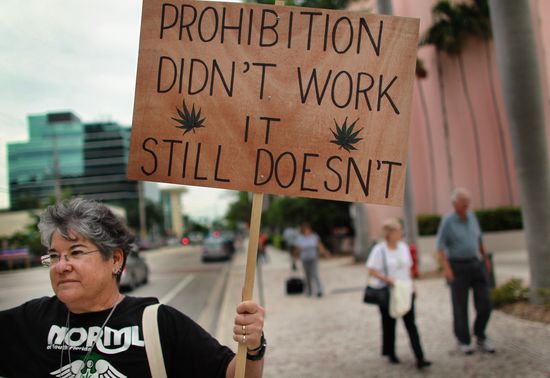
Longtime Dishheads will remember that rather extraordinary reader email thread that had to do with secret middle-class, mainstream marijuana use – for medical and non-medical reasons. The thread "The Cannabis Closet" began with one reader email in March 2009 and became one of the most talked-about cultural discussions on the question of marijuana legalization. Dishheads will also remember we promised, by popular demand, to compile them all into a book. We are massively over-stretched, but we have finally come through, thanks to Chris Bodenner's meticulous and back-breaking work. Drum roll please …
The book is a compilation of first-person pot use testimonials, from top executives to responsible parents, from entrepreneurs to A-students, from unwinding suburbanites to the very sick. In more than 120 personal stories, it demolishes every hoary "stoner" stereotype of the regular pot-user. It doesn't glide over the downsides of pot-use, but it does explain more graphically and powerfully how marijuana-use has become as American as, er, brownies and milk. It shows how responsible pot-use is already compatible with middle-class life and its obligations. Browse and buy it here.
Reading it as a whole is a totally different experience than reading it one email at a time. When I got Chris's first draft, I couldn't stop reading it, and couldn't help but be strangely moved by it all over again, even though I had read every single word of it before. There's something about the cumulative impact of so many heart-felt testimonials that does more to change the mind than any abstract argument, and Chris has shaped it into a compelling narrative – from shame and doubt to a form of liberation and success – that packs a real punch. It's a truly powerful way to persuade anyone of the rightness and sanity of this cause – created by the anonymity and free expression of new media, now re-purposed into the classic staple of old media: a simple, short, easily pocketed paperback.
We've also produced this book the way we did "The View From Your Window" – bypassing the publishing industry and created this book through the wonderful Blurb.com. You can buy it directly here.
More to the point: if you buy it before midnight tonight PST, shipping from Blurb is free (coupon code: FESTIVE). After tonight, we got a special shipping discount of $2.99 (DISH). Now for the even better news: this 120 page, top-quality paperback is yours for … $5.95. I repeat: $5.95. We've been able to get the price so low precisely because we have gone around the publishing industry, and because the content (from you) is free. So if you buy it today, it's under $6. If you buy it from tomorrow on, the price with shipping is under $10. If those T shirts were too expensive for you, this is an extremely affordable self-gift or gift to a friend or family member. It's just testimonies of real people, with a foreword by yours truly.
A special thanks to everyone at Blurb who assisted the project along the way, namely Leigh Haber, Brent Baker, and CEO Eileen Gittins. And I'd also like to thank personally the greatest book designer of our time, my old friend, Chip Kidd, who created the cover. This is a wonderful blend of old media and new media in the dissemination of stories and truths that were rarely covered before. And I hope it can play a role in ending Prohibition in this country and around the world.
Special discount details and holiday shipping deadlines after the jump:
Coupon Code: FESTIVE Promotion: Free Shipping for Ground orders Valid: Now through midnight Dec 10th PST Details: Offer covers Ground shipping costs up to US $6.99 for up to three books in one order, shipped to one address. This offer is good for one-time use and cannot be combined with other promotional codes or used for adjustments on previous orders. This offer can, however, be combined with volume order discounts.
Coupon Code: DISH Promotion: Daily Dish shipping discount Valid: Now through 3/31/2011 Details: Discount of $2.99 applies to shipping costs in one order and shipped to one address. This offer cannot be combined with other promotional codes or used for adjustments on previous orders. However, this offer can be combined with volume order discounts.
Cut-off dates by ship method in order to receive by Christmas Eve Ground: Sunday 12/12 midnight PST Second Day Air: Wednesday 12/15 midnight PST Next Day Air: Sunday 12/19 midnight PST
Today on the Dish, Andrew decried the derailing of the DADT repeal by a few homophobic senators, even as he understood that the final truth of brave, gay soldiers would explode the heads of the Christianists. He twisted the knife on the GOP's demonization of Obama, and decimated the slippery slope arguments on gay marriage. And the Dish stocked up on copies of The Cannabis Closet, a new collection of stories from readers around the country.
Jay Newton-Small believed Palin will run, Palin's endorsed Paul Ryan's roadmap, and Hitch attacked the Tea Party. Palin's "family values" were lacking, even as she splayed her family out all over the media. We dug deeper on Gary Johnson, including his abortion track record, and Geroge Will ramped up for Pence for President. The stars were aligning for a tax reform compromise, and we took stock of the future of the pay-roll tax cut holiday. The blogosphere beat back Krugman on the tax cut compromise and the economy, Bernstein explained triangulation, and the Dish agreed with Krauthammer. Biking could be sold as carbon credits, Reihan clarified his immigration theory, and Timothy Lee batted another round.
Exum witnessed a resurgent enemy in Afghanistan, and Michael Cohen just called Afghanistan the girlfriend who is just not that into us. Iran was beating Israel, America robbed China of its talent, and we should still be reading the Wikileaks cables. We checked in on American pubs, pot in California was relegated to the shadows, and Manzi defended matrimony. If wallets could talk, some wouldn't be happy, scientists opted to be Democrats, and humanity and misanthropy traversed the internet hand in hand.
VFYW here, MHB here, FOTD here, and badass reader generated book here.
Photo: Joe Raedle/Getty
Thursday on the Dish, Andrew pondered whether Obama could finagle peace in the Middle East after starting over, and drafted a State of The Union address. James Franco's self-kiss left Andrew speechless, Peter Beinart measured the exodus of Israeli youth to other countries, and Andrew assessed the tuition tax hikes in Britain and what they've done to the Lib-Dem brand. We suffered another jolt in the DADT roller-coaster thanks to one man's bitter vendetta, and we tracked the full reax. Nate Silver decided DADT could be a nice slice of social reform pie to pair with economic reform, we kept an eye on Lieberman's tweets, and Serwer reminded us why DADT matters.
Will Wilkinson disparaged the left for its overblown reaction to the tax compromise and its silence on core liberties and Andrew agreed in principle. Hugh Hewitt hyperventilated about Tea Party opposition, Bush's economic wonk advised the right to take the deal, and Ed Kilgore considered a failed tax deal, with more analysis here. Larison nominated DeMint as the right's fiscal fraud, and Pelosi did to the tax cut deal what McCain (and Reid) were doing to DADT.
Babbage interviewed the Wikileaks Anonymous hackers, and Greenwald called it a war over control of the Internet. Andrew pointed out that the emperor still has clothes just not the power to keep them on, and Hemanshu Nigam confirmed the government probably won't ever be able to shut down the site completely. Contra Reihan, Serwer and Timothy Lee defended the DREAM Act, and Conor chalked it up to more than economics. Partisanship ruled whether attacks ads are considered fair, TSA may be categorizing airports as Fourth Amendment free zones, Google squared off with Amazon on e-books, and Matt Feeney marveled at the wave of Kelly Slater's skills.
Dissent of the day here, when Maggie met Sully here, FOTD here, VFYW here, chart of the day here, MHB here, and email of the day here.
By Odd Andersen/AFP/Getty Images.
Wednesday on the Dish, on the tax front, Andrew argued the deal would win back independents and some Republicans. Andrew parsed the two sides to Obama, and cheered that a post-partisan president could pop the bubble of demonization that the GOP had drummed up. Nate Silver previewed the GOP line of attack for 2012, readers responded, and Leonhardt imagined three outcomes for the tax cut game in 2012. Macroeconomic Advisers did the math, Howard Gleckman assessed it from both sides, we realized not even the Tea Party train could stop Bush's tax breaks, and we tracked the rest of opinion on the tax compromise here, here, and here.
Assanged was transforming from punk to hero, and Serwer feared for national security journalism if Assange gets prosecuted. Samuels expected better of journalists, Michael Moynihan tried to resist the conspiracy theories surrounding the rape accusations against Assange, and E.D. Kain asked the pertinent question of whether we'd let China do to Assange what we want to.
The DADT repeal teetered on the brink of getting to the floor. Steve Chapman was hopeful about DADT since he realized familiarity with gays breeds acceptance. Scott Morgan predicted a cannabis-friendly campaign for 2012 hopeful Gary Johnson, and Larison could hardly contain his enthusiasm for Johnson to run. McCain reversed himself on the DREAM Act, abortion politics stayed the same even when everything else changed, and Amanda Marcotte didn't understand what's so grand about marriage. Reza Aslan pleaded for a Palestinian state, and the most conservative part of the country ate like gluttony isn't a sin. The greenest packaging may already exist in banana leaves, Clive Thompson gushed over Instagram, and e-cigarettes celebrated a judicial victory. Tom Friedman baited Matt Taibbi with his bad metaphors, and Marty Beckerman sailed free with crotchless men's underwear.
Creepy ad watch here, chart of the day reax here, VFYW here, MHB here, and FOTD here.
Tuesday on the Dish, Andrew pegged Obama's tax move as shrewd and McConnell as a sucker. We rounded up the best reax from around the web and Ed Morrissey gathered reaction on the right. Andrew agreed with Clive Crook on what's wrong with the left on taxes, and the rest of the blogosphere conceded the compromise "makes sense if…" everything else falls into place. Greg Sargent honed in on why congress should extend their calendar to repeal DADT, Pareene and Burroway fumed, and Andrew advised a scaled-down temperature for the gay movement. Lyle Denniston decoded the logic in yesterday's Prop 8 arguments, Timothy Kincaid was optimistic, and Illinois state senator Ricky Hendon hated the hypocrisy.
Andrew prescribed we cutoff aid to Israel, after Obama threw in the towel on getting them to agree to a settlment moratorium. Israel allowed gay soldiers to serve, but some citizens didn't want to rent to gentiles. Salon envisioned scenarios for an American collapse, Obama finally exercised his pardon powers, Iran can't control Iraq, and Afghans don't enjoy being bombed. We collected the web's best on Assange's arrest, Clay Shirky straddled the fence on Wikileaks, Weigel differentiated on different document dumps, and Ron Paul nailed truth vs. treason on the head. Heather Mac Donald recognized Obama's commitment to American supremacy in attacking Assange, and Andrew charted Assange's rise to underground hero status.
The Weekly Standard profiled an actual government conservative (and his medical marijuana use), Breitbart played the victim card, and Domenico Montanaro fact-checked Halperin's hackery. Neocons feared nihilism, and TNC put the world's prison population in perspective. Allahpundit honed in on Huckabee, and Ed Kilgore looked at him from the Dems' side of the aisle. James Fallows saluted Elizabeth Edwards, who passed away today. Traffic cameras raise money but don't stop accidents, and the government can track you in real-time without a court order. Christmas signaled fascism to Andrew, and Chicago remained a good place to get drunk.
Chart of the day here, Andrew's household logic here, email of the day here, Malkin award here, MHB here, Hathos alert here, dissents of the day here, FOTD here, Andrew in DC on Catholics here, VFYW here, VFYW contest winner #27 here, and the VFYW Archive here.
Seattle, Washington, 8.15 am
Monday on the Dish, Andrew countered Brendan Tapley on the future of manly love in a post-DADT world. We tracked the Prop 8 oral arguments, and Adam Bink summarized Olson's points. David Link exposed a McCain clinging to prejudice, Brian Beutler killed the GOP defense canard to stall a DADT vote, and Andrew urged them to extend the calendar. James Harkin wasn't impressed with Iran's Twitter revolution, and Peter Beinart exploded the Arabs versus Iran argument on democracy in the Middle East. The Russians almost waged nuclear war on the Chinese (in 1969), Goldblog got accused of anti-Israel leftism, Scott McConnell calculated the real cost of our relationship with Israel, and a no-knock drug raid gone wrong turned a corner on the road to justice.
Andrew weighed the problems of debt vs unemployment, and compared Sarah Palin (who has been killing it lately) to a zombie. Andrew saw cold-blooded pragmatism in Obama's tax cuts compromise, Weigel saw disappointment brewing on the left, and Dan Bartlett relished the tax-cut trap he and Bush set for the future. Democrats were willing to bargain, Felix Salmon offered historical perspective on why federal taxes are the lowest they've been in 60 years, and millionares are now people who earn a million dollars a year. The left trumped the GOP on fiscal conservatism, Don Taylor watched for Obama's next move on the debt, and Ross praised progress made by a failed Simpson Bowles. Allahpundit propped up Mike Pence for 2012, and bloggers agreed that the dickishness of the GOP was out of control.
Racial profiling at the airport doesn't work, the Washington Monument will never be secure from terror, and we trust people more when we're holding a warm cup. Cablegate Roulette is Chatroulette without the penises, Umberto Eco compared Wikileaks to Orwell, and on the anniversary of prohibition's repeal, cigarettes got burned. Michael Lind defended big biz, Stephen Bainbridge tracked the church's moral evolution and readers debated whether religion is inherently sexist. Al-Qaeda could poke you, Cory Doctorow likened newspapers to vinyl, and Mark Halperin kept hackery alive. American hunters comprised the world's largest unofficial militia and the internet pounced on Mel Gibson's The Beaver. Portland and Wisconsin hoarded all of America's pubs, New York lured a lot of college graduates, and Colorado didn't want you to order a beer that wasn't strong enough. New Kids On The Block sang one for the children, Turks had to take it from behind and smile to prove they unfit for service, and Nicole Kidman moved her face.
VFYW here, quote for the day here, dissent of the day here, chart of the day here, MHB here, and FOTD here.
Susan Orleans pens a touching essay about the realization that she is helpless to adequately care for her ailing mother – and a commenter who reacts flippantly to the post draws a more-in-sorrow-than-anger rebuke from Alan Jacobs. (An even more extreme version of the same kind of online interaction is explained here.)
In a column rife with breezy zingers, but woefully short on historical knowledge, the always disgusting Ann Coulter writes:
Today's military features "victim advocates" and sensitivity training facilitators, the Defense Advisory Committee on Women in the Services personnel and a million other goo-goo positions. How did we ever take the shores of Normandy without a phalanx of "sensitivity training" counselors?
This is the same Coulter recently feted by GOProud. Do they have no self-respect at all? The answer is that we stormed the shores of Normandy with an army that mostly prohibited black soldiers from serving in combat roles, and kept them in all black units. Only in 1948 did Harry Truman sign Executive Order 9981, desegregating the army. Due to racism, no Medals of Honor were awarded to black World War II veterans at the time. Decades later a military review resulted in seven black WWII veterans receiving the award, though only one was still alive.
Prejudice in the World War II era, and the resulting decision to organize units by race rather than efficiency, hurt the war effort. Certainly today's integrated army better takes advantage of its black soldiers and their talents. Perhaps if there were more racially sensitive Americans in the 1930s, an integrated military freed from the inefficiencies of segregated units would've taken Normandy with fewer casualties.
A female police officer stands guard on Red Square in Moscow on December 9, 2010 after Moscow was hit by a snow fall. By Dmitry Kostyukov/AFP/Getty Images.
George Will, in his continuing rapid move to the far right, sounds hopeful:
To those who say conservatives should set aside social issues and stress only economic ones, Pence replies: Economic problems are urgent, but social problems remain important in a way that blurs the distinction between social and economic issues. With the fluency of a former talk radio host, he says: "You would not be able to print enough money in a thousand years to pay for the government you would need if the traditional family continues to collapse." This is, he says, "Moynihan writ large," referring to the late Sen. Daniel Patrick Moynihan's preoccupation with out-of-wedlock births, which now are 41 percent of all American births.
Pence's district borders Ohio, which provided the only president who came directly from the House (James Garfield, 1881). Fifty-one and just elected to his sixth term, Pence, outgoing Republican Conference chairman, says he has always thought six is about enough. He says he might run for governor in 2012. The Republican incumbent, Mitch Daniels, who is term-limited, might be a presidential candidate, and one such candidate might be enough from Indiana, which has provided only one president (Benjamin Harrison, 1889-1893). But if you have read this far you know why many Tea Partyers and social conservatives – essentially distinct cohorts – are urging Pence to run for president, and why, although he probably won't, he might.
Is "with the fluency of a former talk radio host" supposed to be a compliment?






 The Dish