Today on the Dish, Scott Lucas caught us up to speed on the Day of Departure, with a full recap of the day/ night here. Kristof captured the determination of the protesters, and Graeme Wood witnessed the same resolute spirit. Michael Scherer encapsulated the tough spot Obama finds himself in, Joshua Tucker sized up the Muslim Brotherhood's popularity, and Fareed Zakaria examined the economics of uprisings. Al Jazeera's traffic squared up to the New York Times' and its coverage increased identification as Muslim and Arab. Photojournalists donned helmets, protesters thanked Facebook, and Johann Hari shared harsh words for governments who supported Mubarak. Protests used poetry, Yglesias raised concerns over the connection between Mid-East politics and gas prices, and Larison disagreed that we're all Egyptians now. Last week's horrifying hit and run here, camel and catapult chaos here, Mubarak's monetary worth here or maybe not, revolution's origins hypothesis here, and singing in the square here.
Conor dared Limbaugh to an Internet debate, applauded the idea of a Huntsman nomination, and defended foreign reporting from indefensible attacks. Ed Glaeser explained cities to the left and right, NOM got rainbow-pranked, and the Redskins owner exhibited the ultimate stupidity. Conor questioned why it matters that women don't contribute as much to Wikipedia, Derek Thompson investigated progressive spending cuts, and Conor assessed academia and the press.
Football killed more people than raw milk, Michael Lewis mastered Ireland's crash, and crowds mostly made people act like idiots. Hollywood recycled plots, sports couldn't accomodate its oldest players, and DC couldn't sustain a mafia.
VFYW here, MHB here, FOTD here, skin gun here, and Andrew was set to return on Monday.
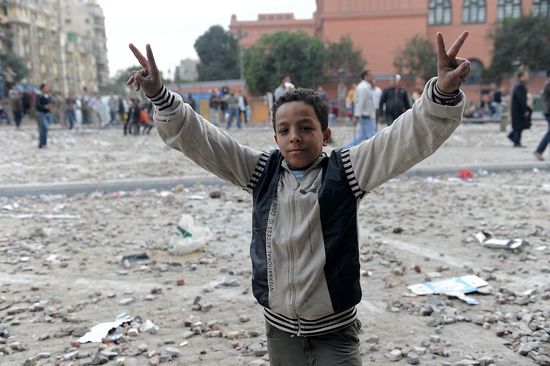
By Miguel Medina/AFP/Getty Images.
Thursday on the Dish, we chronicled the chaos in Cairo as it unfolded, with more reports of bloodshed here, here, and here. The regime sent texts and thugs to target and harass, assaulted reporters. Graeme Wood praised the Mr. Cleavers of Cairo, and the army appeared to side with Mubarak. The regime accused protesters of being dangerous foreign elements and closed off any other political option, but secular solidarity prevailed. We sought to understand nations in transition, details on the dictator's son, and how the US measures up to Egypt's inequality. Yemen kept heating up, we kept tabs on the US response, and we considered Al Jazeera's coverage if protests spread throughout the Mid-East. Marc Lynch urged the US to send a loud and clear message to the army, and Scott Horton explained exile isn't what it used to be. Gladwell stuck to his guns, despite evidence to the contrary that Twitter did help. Michael Wahid Hanna feared for the Egypt after the cameras stop rolling, Thoreau had hope for democracy, and Gregory Djerejian pleaded for humility.
Conor expanded his attack on Andy McCarthy's sophistry, kept at the Fox's insinuation machine, and calculated traditional health care in a world where we could know when we'd die. One-armed citizens could carry switchblades, libertarians can't get by only on principles, and a high-functioning, meth-using Dish reader enlightened us.
Dissents of the day here and here, creepy ad watch here, chart of the day here, cool ad watch here, the week in photos here, quote for the day here, FOTD here, VFYW here, and MHB here.
Wednesday on the Dish, clashes broke out in Egypt, even reporters were attacked, and we followed the chaos here, here, here, here, here, and video here. Steve Negus feared a culture of criminality, Andrew McGregor ran through future scenarios, and Patrick pointed out the Glenn Beck divide. Conor called out Thomas Friedman's nonsense, and deflated the National Review's shoddy logic on the Muslim Brotherhood.
Ambinder picked apart what the US wants, Larison had doubts about Egyptian democracy, and we explored what it meant for oil. Scott Horton considered Mubarak's fear: hate ratio, Graeme Wood offered perspective on Tahrir square, and Shadi Hamid charted the two routes to Arab democracy. Exum explained why the US is so close with Egypt's army, Egypt was more equal than the US, even though wellbeing was declining as its GDP went up, and a blogger explained how not to say stupid stuff about Egypt. Yemen appeared shaky, but Joshua Foust argued it didn't have to do with Egypt.
Conor mourned the fact that controversial blogging and careers don't mix, and annihilated the broken logic of torture advocates. Conor doled out advice for gender conferences, Yglesias seconded Conor on Beck's craziness, and outlawing Sudafed wasn't going to stop meth users. AOL explained how to make money on the web, Conor weighed in on the new governor of the Golden State, Boehner tried to redefine rape, and this is how to look smart. Houses sat empty, cooking could be easy, and a young man stood up for his two mothers.
Interactive global map of unrest here, chart of the day here, MHB here, FOTD here, VFYW here, poignant VFYW observation here, Palin's phrenology here, and Milbank fail here.

Alexandria, Egypt, 8 am
Tuesday on the Dish, Chris blogged the path of the protests at dawn. Mubarak fans were laughed off, protesters ignored the Internet black out, and police cross-dressed in plainclothes. Many protesters congregated in Tahrir square, the march began, and deviated from the script. Peter Bouckaert covered the scene in Alexandria, protesters banded together, and we tried to keep track of the numbers. People wanted Mubarak to resign immediately, but he opted not to. Mubarak's speech didn't please the public or the US government, and we mulled his legacy as he followed Ben Ali's template, and apparently wasn't too big to fail. Conor read the right's spin on Obama's direction, Max Fisher relayed the latest on US opinions behind the scenes, and Islamists got shouted down. Hitchens advised despots on what not to do, Colum Lynch considered ElBaradei's role, and we tried to understand the Muslim Brotherhood. We looked ahead to Friday, things almost turned violent, protests were wearing on the population, but there was a wisdom to the crowd.
Alan Jacobs refused to categorize the general effect of social media, Egypt's own media shifted, and Jeremy Scahill chronicled the Bush smear on Al-Jazeera. Alex Massie wondered if the world had peaked, and Larison remained pessimistic about the stability of change. The tsunamai reached Jordan, Israel feared for the future, and Evan Osnos fingered China as the next possible uprising. Dana Stuster weighed the options for Yemen, Ingrid Rowland searched Egypt's history, and Conor wondered if Roger Ailes and Glenn Beck ever had grandparents. Conor railed against a new bill that would give the President power over the Internet, and responded to readers complaints about the left's protest against the Koch brothers.
Egyptian protest signs here, army background here, tweets from the ground here, and a visual argument for democracy here. Quote for the day here, chart of the day here, FOTD here, VFYW here, VFYW contest winner #35 here.
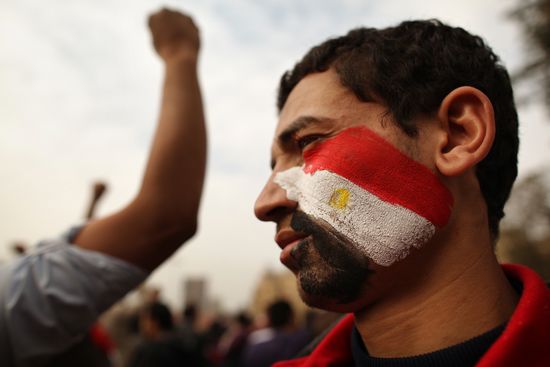
By Peter Macdiarmid/Getty Images.
Monday on the Dish, Chris traced Egypt updates throughout the night, including poetry as protest, and the army officer who joined the protests. Al Jazeera reporters were arrested (and released), protests were planned for Tuesday, and Friday flagged as the "Friday of Departure" for the army. Protesters cleaned the streets and cheered Al Jazeera, and we dissected rumors of army orders to fire on protesters. Women manned the front lines, graffiti painted tanks, libraries were guarded, and late today a total Internet blackout fell over Egypt. Israel defended Mubarak, Syria's President vowed to reform, and we tracked how Egypt was playing in Iran. China censored the Egyptian upheaval, Osama bin Laden seemed irrelevant, and Egypt's economy teetered. Brian Ulrich gauged the military leaders' motives, Philip Giraldi examined our spending abroad, and the web assessed the Muslim Brotherhood. The US dispatched a former Ambassador to Egypt, but we remembered that it's the US that outsourced its torture to Egypt. Breitbart's Big Peace published all kinds of crazy, Palin was happy to not get blamed for Cairo, and Douthat took the long view: history makes fools of us all.
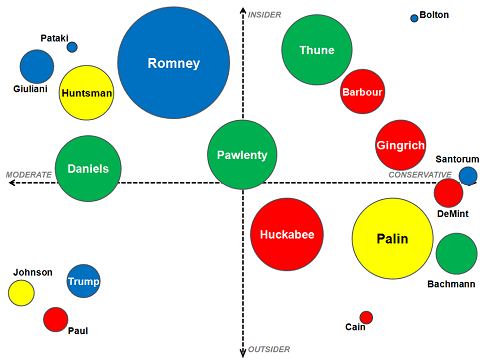
A new 2012 GOP contender baffled the blogosphere, Frum parsed the report on what caused the Financial Crisis, and Conor noted that the GOP isn't necessarily the party for liberty-minded individuals. Conor questioned the protesters outside the Koch brothers' retreat, a man tried to blow up a Detroit mosque with fireworks, readers ripped apart Rand Paul's budget cuts, and church abuse takes advantage of adults too. Harper's Magazine struggled, Afghanistan suffered a major blow to its image and stability, and marriage equality mattered. The clothing industry needed its own Michael Pollan, Herman Melville loved beard euphemisms, and Americans were obsessed with white meat. Life imitated Four Lions, cooking was for eating, and Andrew's still on the mend.
Quote for the day here, MHB here, FOTD here, VFYW here, chart of the day here, (with correction here).
–Z.P.
 The Dish