Sam Harris dismisses his critics:
For them, freedom of will is synonymous with the idea that, with respect to any specific thought or action, one could have thought or acted differently. But to say that I could have done otherwise is merely to think the thought, "I could have done otherwise" after doing whatever I, in fact, did. Rather than indicate my freedom, this thought is just an epitaph erected to moments past. What I will do next, and why, remains, at bottom, inscrutable to me.
Each of us has many organs in addition to a brain that make unconscious "decisions" — but these are not events for which anyone feels responsible. Are you producing red blood cells and digestive enzymes at this moment? Your body is, of course, but if it "decided" to do otherwise, you would be the victim of these changes, rather than their autonomous cause. To say that I am "responsible" for everything that goes on inside my skin because it's all "me," is to make a claim that bears no relationship to the feelings of agency and moral responsibility that make the idea of free will an enduring problem for philosophy.
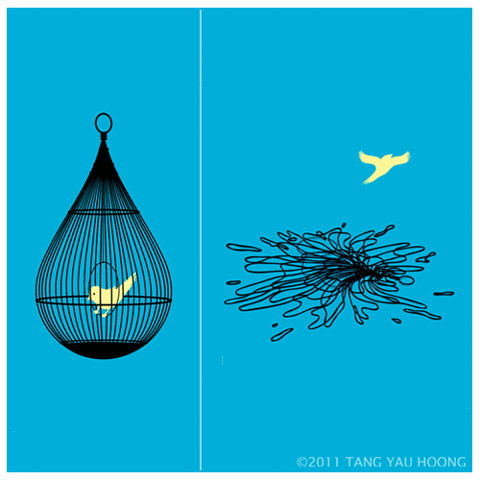
(Image by Tang Yau Hoong via the Behance Network)
 The Dish