Rebels have infiltrated his stronghold of Tripoli for the first time in months. Al Jazeera sets the scene:
Security forces loyal to Libyan leader Muammar Gaddafi have used heavy machine guns and mortars to confront lightly armed opposition forces and protesters who took to the streets of Tripoli on Saturday night in anticipation of a final rebel advance on the capital. Fighting continued into Sunday morning in a few central and eastern neighbourhoods, and rebel flags were raised over some buildings, witnesses said. Much of the population took cover inside their homes.
Outside of Tripoli, rebel fighters closed in. They advanced tens of
kilometres from Zawiyah, to the west, seizing the town of al-Mayah and putting themselves within several kilometres of the capital's suburbs. Other rebel formations remained further way, stationed to the south, in Gharyan, and to the east, in Zlitan.
Despite the greatest challenge yet to his power, Gaddafi remained pugnacious, issuing a telephoned audio address in which he exhorted his followers and congratulated them for defeating the "rats".
Latest updates here, including: "Libya rebels on Sunday infiltrated the capital Tripoli by sea in a covert operation launched from their western enclave of Misrata, a rebel spokesman said." (See above video, via EA.) Another update lists several neighborhoods captured by rebels (above map via Mackey). Opposition leaders are projecting confidence:
Libyan rebel officials in Dubai say they have already started efforts to stabilise the country before the possible fall of Muammar Gaddafi's regime. … Members of the rebel "stabilization team" are showing confidence as their forces press closer to the capital Tripoli. Team chairman Ahmed Jehani says a transition period is already under way. He called Sunday "day one" for efforts to prepare the country for a post-Gaddafi era, reports AP.
Enduring America is live-blogging. Scott Lucas steps back:
In March, only a few weeks after the sudden start of the uprising against the Qaddafi regime in Libya, I rather rashly titled a LiveBlog, "Endgame in Libya?" That projection stalled as Libya effectively split in two, with the opposition controlled the eastern part of the country and setting up its base in the second-largest city, Benghazi. The military situation fluctuated, with Qaddafi forces taking back town seized by the insurgents.
In recent weeks, however, both James Miller and I had been watching the gradual but clear advance of opposition fighters on three fronts towards the capital. Friday's takeover of Zawiya, 50 kilometres (30 miles) west of Tripoli, was a significant symbolic as well as military breakthrough — the town had been taken weeks into the uprising by insurgents but then had been re-occupied after bloody fighting by Qaddafi's men. Zlitan, 60 kilometres (37 miles) east of the capital and the only major town between Tripoli and opposition-held Misurata, was "liberated" for the first time by the insurgents.
So the stage was being set for a final battle for the capital. Still, we did not expect events to occur so quickly.
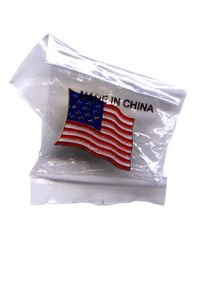 Civil religion in America is still alive and well. Obama not only now faithfully wears his flag pin—which I hate—he ends any serious intervention by saying "God bless you and God bless America." What is that? You never find an inaugural address without reference to God. You won't find one referring to Jesus either, because that's not part of the civil religion. But religious symbols remain in American public life come hell or high water—you just can't get rid of them, and they do provide some sense of common language. I don't think Martin Luther King would have had the impact that he did if he'd spoken only in secular terms. His great speeches are full of reference to American civil figures, but they are also deeply Biblical. So all our diversity doesn't mean that we don't understand certain things in common—even if we don't accept them in the absolute way.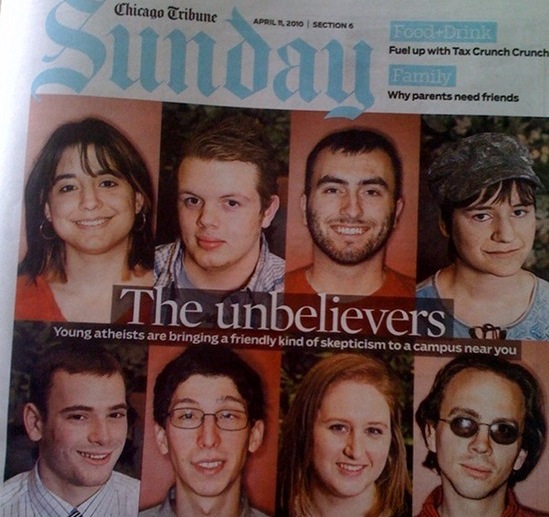

 The Dish