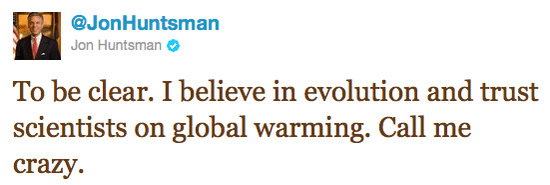
Today on the Dish, Andrew echoed Wilkinson's argument that Ron Paul could make for great TV and challenged Huntsman to embrace his sane views on climate change, marriage equality and the economy. We choked on Perry's resemblance to W defending abstinence, representative of a party divorced from the facts and we revisited Coburn's still questionable comments about Obama. Greenwald and Lemieux battled over Obama's power and failures on the domestic front, and Andrew wondered if the left was failing Obama by running away from healthcare reform. Republicans criticized Perry's Bernanke threat, and Romney remained the last man standing in terms of GOP candidates who haven't said something crazy this week. Eric Golub saw adolescent starbursts when he met Sarah Palin, a new film reveals Palin's Blackberry addiction, and her creepy stalkers were brought to justice. Santorum sought to leave his joke status behind, Alexandra Petri drafted fake "Ron Paul met aliens" ads, and Andrew asked us to imagine Lieberman having sex.
In other national news, Fallows feared the middle class couldn't be saved by some technological breakthrough, and we wondered whether taxes on the rich would actually help growth. Ann Althouse praised Obama for recognizing he alone can't cure the economy, Twitter could predict the market, and veterans returned home to serve their own communities. Dan Savage and Jim Burroway fleshed out the gay divide in rural vs city communities, and William Eskridge urged slow steps regarding marriage equality and the courts.
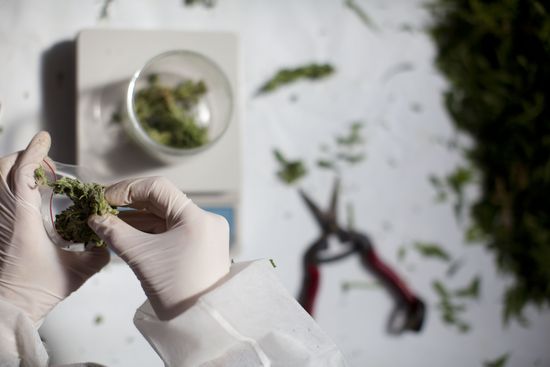
Andrew contemplated if we can ever feel worthy of God's love, and a reader expanded our Adam and Eve debate to discuss polygenesis. Readers rejected the feel-good message of The Help, and in the US, there's still a stigma attached to those who remain unmarried with children. A handy infographic laid out grade inflation, college could be completed in three years, and Groupon copycats proliferated. Twitter provided the perfect venue for bad date replays, most workers switch tasks every three minutes, and young people want to avoid driving as much as possible. Anderson Cooper guffawed over Gerard Depardieu peeing on a plane, Angie Hobbs pushed us to all take responsibility in the riots, and some readers didn't envision revolution in China. Baby dragons exist, scientists sequenced the genome of pot, and cold drinks may give you stomach cramps, but Americans still like their drinks with ice.
Chart of the day here, creepy ad watch here, Pet Shop Boys compilation here, VFYW here, MHB here, and FOTD here.

By Bay Ismoyo/AFP/Getty Images.
Thursday on the Dish, the WSJ tried to defend Perry's threat of personal thuggery while Rove, the Bush family and the GOP establishment weren't running to save him. Jonah Goldberg urged the right to err on the side of electability and the neocons sharpened their teeth. Chait didn't want to credit Perry with Texas' economy since he poached jobs from other states, New Hampshire heckled Perry about climate change, and David Sessions documented Perry's infatuation with war. Perry evolved into his Christianist fanaticism and his rural roots may be fair game.
As to the rest of the field, Bachmann got away with a staffer who stockpiled weapons in Uganda, the GOP elite kept pushing a Ryan candidacy, and Tom Coburn took two steps back with renewed violent rhetoric. McGinnis thought Palin has run out of friends and political allies, while Frum grew dismayed that even after Palin, the GOP hasn't learned its lesson about intelligent candidates. Rockefeller Republicans were a thing of the past, Bachmann didn't know the Spanish word for woman, and Christine O'Donnell had to walk away from TV interviews because she doesn't want to talk about her own anti-gay rhetoric. Pareene and Reihan picked apart the Tea Party's marginal impact on US politics, and Penn Jillette opted for libertarianism for the same reason he chose atheism: not knowing. We measured Obama's approval ratings against past presidents, the market fell because it's August, and Alana Goodman defended Obama's right to go on vacation.
Internationally, Obama, along with the rest of the West, called for Assad to step down, but many analysts criticized Obama for not doing so sooner. The Afghan National Police weren't improving, and Andrew urged the military to keep improving drone accuracy to reduce civilian casualties. The Arab Spring inched closer to Turkey, Hezbollah was finally being indicted, Glenn Beck got caught in his own paranoid conspiracy vortex about protests in Israel, and as Thomas Paine predicted, vengeance in Norway wouldn't do any good.
Around the country, some invested for their retirement with lottery tickets, veterans suffered an unemployment level four points higher than the national average, and raising the Medicare eligibility age could pave the way for bigger reforms. We debated whether elite schools are worth it, Catcher in the Rye still appealed to our 15-year-old selves, and we wondered why Europeans hate ice in their drinks. Yglesias argued for letting ex-cons work, prison doesn't cut the crime rate, and TNC revisited the tragedy of the Civil War. Forgiveness existed in the hearts of victims, and Andrew came to terms with his own vision of God's forgiveness. The Help distorted the lessons of the civil rights movement, and readers defended Star Trek for not distracting them with gay subplots. Experts helped us understand the genetic roots of mitochondrial Eve, while others pondered why Adam and Eve still have belly buttons.
Hathos alert here, coffee rings explained here, VFYW here, MHB here, and FOTD here.
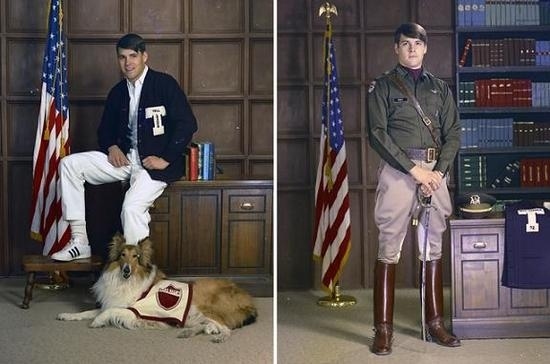
Rick Perry at Texas A&M University in 1968.
Wednesday on the Dish, the heart of Tea Party movement proved to be religious fundamentalism, fueled by racial and cultural panic, and Obama meep-meeped the GOP by playing weak. Andrew wanted Obama to chastise Perry's weak apology, and listened to the rage on the left. The right revved up the backlash against Rick Perry, even though he could actually claim the undefeated title and Jacob Stokes weighed Perry's cred as a neocon versus as a tea partier. Perry's comment could neutralize Bernanke's pro-Republican leanings, Rove wasn't impressed, while Perry could turn out to be too liberal for today's GOP. According to a reader, Perry wasn't personally complicit in Cameron Todd Willingham’s execution, Steve Benen and Bernstein urged the legacy media to realize not all presidents are old white guys, and Chait tried to balance the crazy-electability pendulum in the GOP. Brad Schaeffer urged Sarah Palin to quit hogging the spotlight, Ben Smith had a hunch she was going to run, and even Jennifer Rubin may have turned against her. Rick Santorum missed the freedom our founders experienced, Ron Paul got hurt by his own claptrap, and Ricky Martin threatened Bachmann's argument that gays are enslaved. Scott Galupo raged against the GOP's reverse class warfare, and if social security is a Ponzi scheme then so is most insurance.
Andrew wondered how Murdoch could survive an obstruction of justice, and readers grappled with God's forgiveness. Iraq's violence would continue whether we stayed or not, we traced Saudi support of the revolution in Syria, and London's riots proved the inefficacy of the UK's CCTV cameras. Germany's economy teetered, Norm Geras contemplated Irish pride, and the madness of the Libyan intervention continues. Michael Weiss chastised the rumor-mongerers surrounding the Arab Spring, bearded South Asians shaved before flights, and Israeli and Palestinian were fairly recent identity constructs.
The Dish was working on an Android app as well, science finally discovered bisexuals exist, readers picked apart Original Sin and mitochondrial Eve, and Star Trek forever changed one reader's reaction to intolerance and sexual equality. Abercrombie offered to pay The Situation not to wear their clothes, readers appreciated Holden Caulfield but didn't consider him a hero, and grandmothers could master Tetris. Dissent of the day here, chart of the day here, VFYW here, MHB here, and FOTD here.
Tuesday on the Dish, Andrew called for Perry to withdraw after he accused Ben Bernanke of treason, and Jpod admitted the error. Even Karl Rove agreed presidential candidates don't joke about treason, we recalled that Bush appointed Bernanke, but Perry refused to apologize. We dug into the dirt of Texas' magical economy, but without the oil boom and government jobs the unemployment numbers were pretty bleak. We learned Rick Perry donned jodhpurs and varsity cardigans in college and Erica Grieder argued he's not as dumb or ideological as many have claimed. We examined his shady funders, Rick Perry loved Israel and Jesus, and Conor scoffed at the contradictions between Rick Perry and his federalist book. John Batchelor wondered how Perry would woo the Yankees, a reader distinguished him from Bush, and one accused Doug Neidermeyer of running for president.
Andrew praised Obama's reaction to legitimate complaints from protesters, Paul Ryan was considering a run for President but Bernstein insisted the field was weak because the party is. Despite silence from the press, Ron Paul earned our attention, and Palin went apeshit on an innocent, conservative reporter. Matthew Zeitlin earned an Yglesias award nominee for calling out liberals for harping on Romney's corporation comment, and the Tea Party screwed the private sector instead of the government. Ross and Reihan mourned the fact that Pawlenty never ran on Sam's Club conservatism, Larison made some hefty predictions about Romney's future success and a reader wanted Romney to step up to Perry on healthcare. Matt Duss stuck it to neocons for claiming Bush caused the Arab Spring, and we wondered if Sean Hannity would correct his incorrect claim that Obama inherited a 5.6% unemployment rate. Social security did resemble a Ponzi scheme, and a reader reminded us that parts of our sordid Southern past are not quite past us.
Andrew revisited Christianism and the case for translating religious convictions into secular arguments. Class warfare was alive and well in England, News International was busted, as was the Bible's Book of Jeremiah. China's protests were challenging the government more and more, foreign relations faced up to designer pathogens, Egypt's liberal parties joined forces for a secular voting bloc, and Soner Cagaptay charted the history of Turkish secularism. Bruce Riedel kept tabs on al-Qaeda's new chief, and the end of war could be on the horizon. We examined "post-conflict reconstruction" via Harry Potter, The Catcher in the Rye just didn't do it for Tom Perrotta and sharks suffered for our cheap cans of tuna fish. Angry Birds resembled Tetris more than we thought, and readers delved into the history of homosexuality on Star Trek.
MHB here, FOTD here, VFYW here and winner #63 here.

Bogotá, Colombia, 12 pm
Monday on the Dish, Perry and Bachmann continued to flash their Christianism and Dominionism, but Andrew conceded Perry could torpedo Bachmann, especially on the economy. Perry revived the old "women should iron my shirt" joke, the internet seized on his craziest ideas, and he stooped low enough to call the troops' respect for the president into question. Bachmann's lies made Palin look like George Washington, Robert Costa earned a poseur alert for his poetic description of Marcus Bachmann's small moments, and Ron Paul got the shaft from the WSJ. We eulogized Pawlenty's failed campaign, J.F. backtracked on the "Pawlenty-sized" hole he previously saw in the race, and Iowa may or may not matter. Some Alaskans thought Palin sold out, and the Tea Party approached jumping the shark with their challenge to Allen West.
In world news, Andrew honed in on what the war in Iraq didn't achieve, while Iraq's response to the Arab Spring has been to befriend the Syrian regime, and James Wright urged Congress to enact a wartime surtax. We heard from a normal guy drafted into Iran's Revolutionary Guard, Pakistan betrayed us to China, and Glenn Greenwald attacked the denialism of Dennis Blair about children killed by drone warfare. We continued to parse our role in Somalia's violence, capitalism and Islam have a complicated relationship, and torture diamonds are the new blood diamonds.
The Catholic church had to grapple with the fact that Adam and Eve never existed and Mark Vernon wondered if all our models of true forgiveness are false. Medicare spending is falling in advance of the Affordable Care Act, but Nouriel Roubini informed us Karl Marx may have been right about the failure of capitalism. Charles Marohn argued we don't need more roads or suburban sprawl, readers plumbed the inner workings of the credit card business, and college websites suck. Female pirates cross-dressed, Dennis Rodman got choked up, and a reader berated Andrew for his simplistic Angry Birds obsession. We debated whether a new Star Trek movie should have gays boldly go there, movies went improv, and sexual economics don't account for casual (free) sex. Nicer coworkers make for a longer life, Jessa Crispin praised unconventional travel, when people go looking for meaning, they usually find shopping, and creativity loves an idle mind.
Map of the day here, chart of the day here, Von Hoffman award here, VFYW here, MHB here, and FOTD here.
Also life imitated art in the Sully + beagle world, and the new Dish app is here!
–Z.P.




 The Dish