Joel Kotkin questions it:
[A]ny analysis of the 2010 U.S. Census would make perfectly clear that rather than heading for density, Americans are voting with their feet in the opposite direction: toward the outer sections of the metropolis and to smaller, less dense cities. … The top ten population gainers among metropolitan areas — growing by 20%, twice the national average, or more — are the low-density Las Vegas, Raleigh, Austin, Charlotte, Riverside–San Bernardino, Orlando, Phoenix, Houston, San Antonio and Atlanta. By contrast, many of the densest metropolitan areas — including San Francisco, Los Angeles, Philadelphia, Boston and New York — grew at rates half the national average or less. It turns out that while urban land owners, planners and pundits love density, people for the most part continue to prefer space, if they can afford it. No amount of spinmeistering can change that basic fact, at least according to trends of past decade.
Reihan isn't so sure:
Are people choosing low-density metropolitan areas — or did rising prices in high-density metropolitan areas drive the population shift? “Urban land owners, planners, and pundits” might love density, but have dense cities allowed enough new construction to meet existing demand to live in dense, amenity-rich cities and regions? Ryan Avent’s The Gated City offers an alternate hypothesis that strikes me as more convincing. If regions like New York and the Bay Area allowed more construction, more people would choose to live in them. Density isn’t deterring potential migrants and encouraging emigration: high prices driven by constrained supply are to blame.
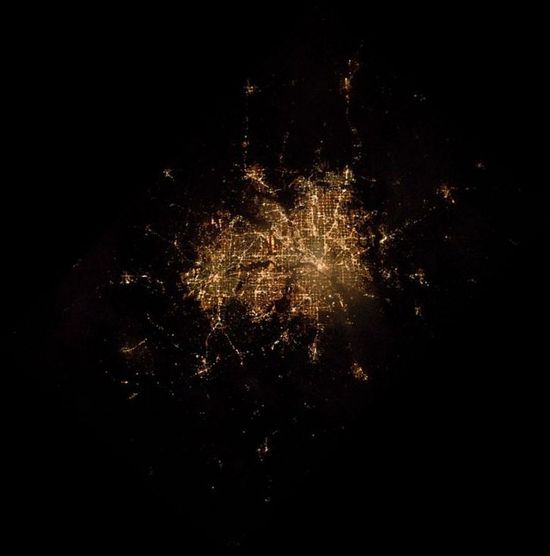
(Image from Flickr user skys the limit2)
 The Dish
