Friday on the Dish, Andrew foretold the end of Republican fusionism, called Santorum out on the polygamy canard and cafeteria Catholicism, defended Ron Paul's views on Iran and libertarianism, shot NRO a warning about the consequences of Christianist "pro-Israel" fervor, challenged David Brooks' political taxonomy, mocked the GOP candidates' pleas of poverty, and welcomed Frum to the Beast! Santorum was Dubya redux and a culture warrior, Romney may have already won (with a boost from New Hampshire demographics), and Huntsman's sanity sunk him. Obama followed through on campaign promises, the New Hampshire Union Leader was self-aggrandizing, and John Yoo fought for a monopoly on the world's chutzpah supply.
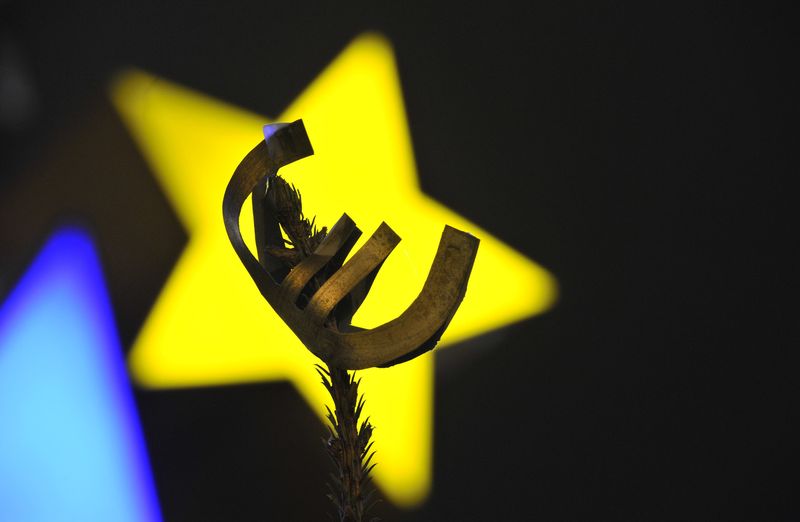
We grabbed blogger reax to the two biggest non-campaign U.S. news items, Obama's new defense strategy and the happy-looking jobs report, and followed news from around the world: Syrian protestors demanded our attention while bombs went off in Damascus, Iran probably couldn't afford a naval war, the collective European identity buckled, and the Egyptian political scence remained unsettled. Hussein Ibish and Jeffrey Goldberg debated Islamism in the Arab Spring and Daveed Gartenstein-Ross faced off with Fawaz Gerges over al-Qaeda's remaining strength.
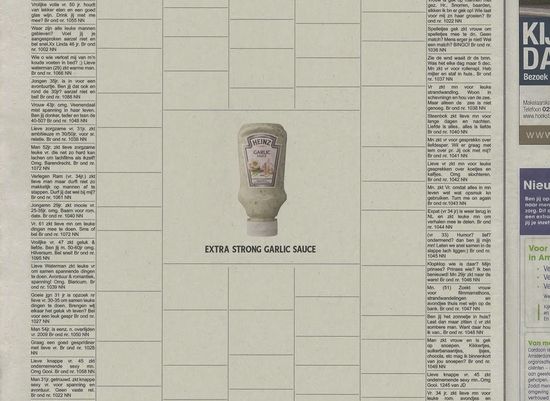
Egalitarian values may (or may not) have shown us how to fix educations systems, humanities degrees were totally awesome, and publicly funded convention centers didn't make a whole lot of sense. An innocent beard was victimized, the movie theater thread kept on keeping on, and fiction could inspire the social movements of the future. VFYW here, Chart of the Day here, Cool Ad here, AAA here, Quote for the Day here, Face of the Day here, and MHB here.
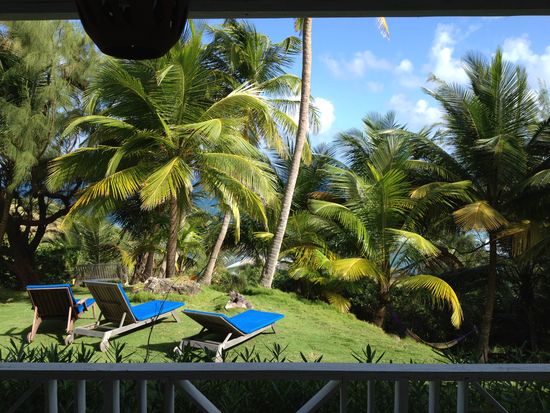
Bathsheba, Barbados, 12 pm
Thursday on the Dish, Andrew blasted Santorum's anti-freedom agenda, labelled Romney the uber-awkward "John Kerry" of 2012, found a heavy anti-Paul bias at the WaPo, and defended the consequences of Paul's ideas on foreign policy. He noted Santorum's lucky timing, exposed the self-proclaimed moral paragon's long history of corruption, praised Obama's Iran policy and political strategy on the CFPB appointment, and unearthed more evidence that the President defied right-wing charicature. Romney looked likely to get hit both as a flip-flopper and extremist in the general, planned to make the deficit worse, and appeared dominant in New Hampshire (where Huntsman flailed). Gingrich was a "festering white-head of loathing," Santorum may actually have won Iowa (a no-recount caucus) but looked to have some issues in Iowa, and Ron Paul was in it for the looooooooooooong haul. Moderate GOPers were SOL, the media had a clear interest in lying to you about New Hampshire and "Queen Esther" reared her head at CPAC.
Iran imitated Palin (ironically enough given that moniker), Assad's victims extended beyond his borders, and the international climate on climate change looked slightly better. Ryan Avent thought positively about the economy come election time, Reihan hoped for GOP party-switchers, George Will got hit for betraying conservatism in favor of consumerism, and readers and readers kept discussing why terrorists suck at their jobs and whether movie theaters were on the decline. White girls said dumb things to black girls, naked male bodies were sexy off and on the screen, the drag TV show "Work It" was still awful, and the wives of high-profile marriage equality opponents differed quite publicly. Also, George Washington may have gotten high.
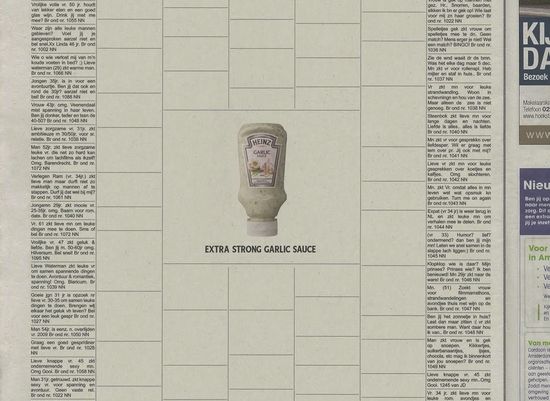
MHB here, Faces of the Day here, Correction of the Day here, Cool Ad here, AAA here, and VFYW here.
Wednesday on the Dish, Andrew assessed the post-Iowa GOP freakout (hint: there's a meep, meep involved), defended Paul's against TNC's Farrakhan comparison, praised the candidate's moral imagination, noted Santorum's "neoconservatism on steroids," mocked the GOP's Iran paranoia, and kept the heat on Glenn Reynolds for being a shameless propagandist. We corralled a big Iowa reax, a reader brilliantly diagnosed the implications of the results for the party, Bachmann called it quits, Paul wasn't done and may actually get the most delegates, Jay Rosen blasted the whole affair, and readers dinged our coverage for overusing the Santorum puns (though Dan Savage won Iowa).
Santorum's day in the sun got extra scrutiny – we looked at his odious views on Palestine, documented his craziness and argued it made him unelectable, demanded proof that his gay supporters existed, and found an awkward choice of mascot. Newt said something stupid (it is a day ending in Y), but also intriguingly geared up to help Santorum bash Romney. Writers guessed at Romney's strategy for the general, debated Paul's effect on belief in non-interventionism, wondered if Pawlenty should have stayed in, and found Huntsman generally deaf to tone.
The Syrian opposition may have called for intervention, readers discussed airport security, and the military thought about technology that could Eternal Sunshine you, and Charles Taylor posed a challenge for liberal democracy. Bloggers had the Sullivan look, Netflix tried to do everything, and horror blurred the reality/fiction line. Buffet psychology made some of us eat more, America was fat, and eating snot was a real thing.
VFYW here, Cool Ad here, Hathos (Red) Alert here, Malkin nominee here, AAA here, Face of the Day here, and MHB here.
Tuesday on the Dish, Andrew liveblogged the photo-finish Iowa caucuses, fired a cannon shot in the libertarianism and racism wars (follow-up with TNC here), defended the claim that Ron Paul was improving the GOP, engaged with readers on the Paul v. Huntsman question, explained why Santorum really is a big-government radical, tracked Romney's PAC shadiness, and checked in on the Euro.
Romney lied (constantly), Jim Geraghty speculated that he might do worse than in Iowa than in 2008 despite not being hit too hard, and Packer worried about whether Romney's campaign boxed him in to insane governance. Paul won the Log Cabin Iowans (all 7 of them) and cruised ahead in the Drudge caucus. Santorum appeared set to win even by losing, rocked the sweater vest to victory, got some neocon love, and ludicrously proposed to ban contraception, In other candiate news, Huntsman was still a Republican and maybe should have campaigned in Iowa, Gingrich got killed by the media, and the Perry/Bachmann/Gingrich trifecta looked screwed. Pundits debated how to interpret Iowa in advance and tracked the polls. Iowans were both peeved about being misrepresented by the media and not super-excited by the caucuses.
Egypt had an army problem, Iraq had a Maliki problem, the US had a drone problem. Robert Wright started a new blog, Will Willkinson renounced the libertarian label, readers continued to debunk the assisted suicide slippery slope canard, and a gaggle of writers microscoped ethanol policy. Readers talked about calendars and path dependence, the planet was super-old, and we looked at a photograph one year in the making. Parking policy was silly, trying to make a fake $1 millon bill to buy a microwave was silly, and a terrible drag show was also – you guessed it – silly.
Quote For The Day here, Chart of the Day here, VFYW here, VFYW contest here, Hewitt nominee here, (gross) Meme of the Day here, AAA here, and MHB here.
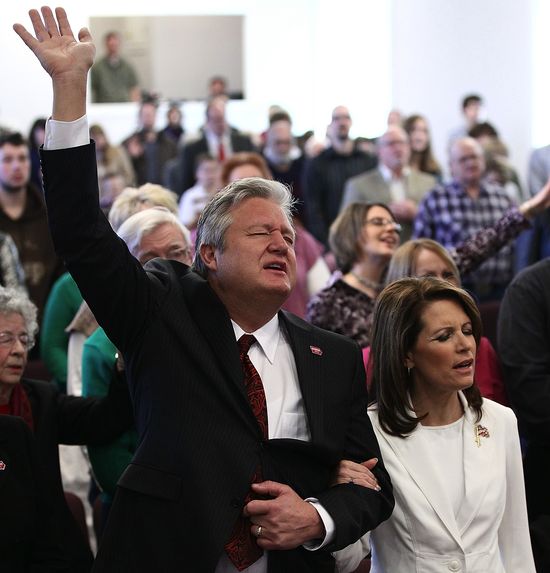
By Win McNamee/Getty Images
Today on the Dish, Andrew assessed Ron Paul's scrambling effect on America's left/right binary, heaved at extended exposure to Santorum, worried that the Christianist par excellence would blunt Paul's impact on the GOP, and was sure that he would almost certainly take America to war with Iran. We kept up on the latest Iowa polls (a state that matters, though South Carolina might not), foresaw some negativity from the Gingrich campaign, noted the end of ethanol pandering in Iowa, and exposed the deep-seated desires of the political press corps. Romney seemed inevitable, Gingrich embarrased himself, Santorum appeared to hit trouble beyond Iowa, and the winner of the election would not end America. Joe Klein thought negative attack ads worked better this year than in the past, but some research suggested ads in general turn off some undecided voters.
Syria greeted the new year with protests, Andrew Exum considered how his background helped him get through war, and the TSA sucked. Bees taught us about democracy, the world isn't ending this year, and Roger Ebert sparked a discussion over whether movies were fading away. We defended British cuisine, tried to keep kids from getting fat, and mapped out what we know about taste.
Roger Scruton developed a green conservatism, McArdle called us out on infographics, and Reagan's actual policies confused Eric Cantor. Robin Hanson pushed the debate on working hours forward, the religious got autoerotic, an economist revamped parking, pot helped people through the Great Recession, and science explained both snow and "tit for tat."
The Dish aired your responses to Andrew's year-end reflections and celebrated many new readers – who, along with our old readers, should enjoy some regular features. So without further ado, Quotes For The Day here and here, MHB here, Map of the Day here, AAA here, Faces of the Day here, and VYFW here.
– Z.B.


 The Dish