Friday on the Dish, Andrew slammed the right's justification for the assasination in Iran, weeped over another gay man driven to suicide by Christianist hate, refused to let Romney off the hook for his Bain shenanigans, found Paulmentum in South Carolina, and gave a reality check. We introduced a new daily feature – the Ad War Update, Romney had an empathy problem and a favorite tax loophole, the Bain attack might be strengthening him despite conservative misgivings, his candidacy looked hinged on his dubious job creation claims and ability to defend Bain in the long run, and the man had undeniable problems with personal wealth and evangelicals. South Carolina was (arguably) a Teastablishment state that Colbert couldn't run in, Paul might be galvanizing the anti-war right, Sheldon Adelson's motives for the Gingrich money bomb were made clear, and the oppo resarch of future campaigns looked to be bananas.
We looked at evidence of Israeli responsibility for the Iran bombing, thought Iran might negotiate like North Korea, examined the Syrian opposition, and listened to revolutionary Libyan hip-hop. The GOP might be interested in raising the minimum wage but no one would touch the drug war, free enterprise was not on trial in the campaign, the internets sans Jack Shafer mocked the NYT's "truth vigilante" piece, and Al-Jazeera might have become our best news source. Suicide killed youth while broken hearts did in everyone, police taser use had issues, film immortalized napalm mornings, "Fotoshop" revolutionized beauty, and nobody said this shit.
AAA here, Hewitt nominee here, Malkin nominee here, Yglesias nominee here, Chart of the Day here, Faces Of The Day here, VFYW here, (Movie) Quote for the Day here, and MHB here.
Thursday on the Dish, Andrew blasted the NYT public editor's cluelessness, fingered Israel for the bomb in Iran, expressed remorse over the outburst of excitement at the man's death, found a money connection between Newt and Netanyahu, warned Ron Paul against endorsing Mitt, looked at the wide-open South Carolina polls, marveled at Palin's economic populism on Bain, watched the video that might kill Romney (especially when the Dems amplify its message), thought the defense of Mitt was emotional weak sauce, and forcefully defended (with reader backup) that his primary candidacy was, in fact, killable on Bain grounds. We found his "envy" line on the 1% daft, surveyed his weakness with conservative opinion leaders (except the flip-flopping McCain), saw Romney's ideological "flexibility" becoming a general election vulnerability, and cautioned that Obama's reelection was hardly inevitable. Romney voted "present" on the drug war, the GOP's Hispanic problem wasn't going away, and a reader deepened the conversation about campaign signs.
The Arab Spring threw America a reputational lifeline, some Iranians outside the regime supported the nuclear program, Iraq was OK on its own, and Bashar al-Assad idiotically compared himself to Darth Vader. American soldiers violated Taliban corpses, most of our planes became drones, the war on terror ended, conservatives had reason to cut defense, and our torturers were compared to the Inquisition. The debate on conservatism and fracking continued, Krauthammer had a moment of honesty about Obama, Grover had a sordid affair, and the free ponies promise was a fascist Trojan Horse.
The meat industry was brutally abusive and, as a consequence, Americans ate less of it. We aired a number of reader views on AP credits and white male pop, smart people weren't more likely to be uggers, people misunderstood hackers, and Jimmy Kimmel explained how marriage equality would kill us all. MHB here, FOTD here, VFYW here, and AAA here.
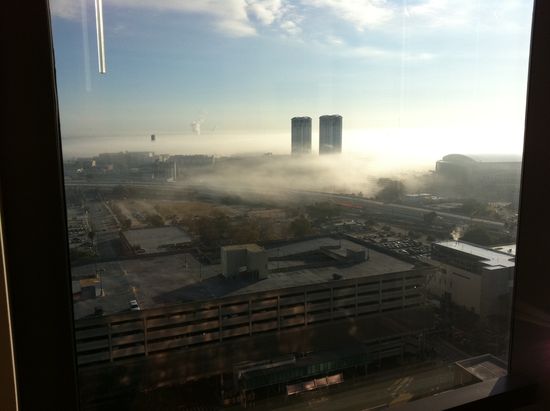
Tampa, Florida, 9 AM
Wednesday on the Dish, Andrew loved Ron Paul's attempt to make it a two-man race of ideas (with the help of a pithy reader and some sympathetic writers), saw conservatives opening up to Paul, labelled the killing of an Iranian nuclear scientist terrorism, went after the NYT for refusing to outright do the same and defended himself on the point against readers, remembered the past 10 years of Gitmo, and caught Mitt in a lie about his gay rights record. We compiled reax to Romney's romp in New Hampshire, looked to South Carolina for his Lee Atwater moment, thought the primary schedule might hurt the GOP with Hispanics (Florida notwithstanding), saw more evidence of a GOP enthusiasm problem, kept tabs on pundit and reader debates over the Bain days, and wondered what the hell Perry and Gingrich thought they were doing in the race.
Iran's Hormuz hawkishness was counterproductive, the case to strike Iran lacked a compelling endgame, Russia enabled Assad's bloodthirst, Ike seemed (contra Andrew's view) to be something of an interventionist, and Scotland may have wanted out of the UK. Employer-based healthcare limited your ability to fire your insurance company, layoffs weren't firings, the GOP hamstrung the IRS, Wall Street was (huge shock here) unpopular, rich people shoplifted, we lived in a time of short-term jobs, people thought about giving up on the stock market, and one man boldly proposed to save the economy with free ponies. The History Channel failed at, er, history, burglars stole computers, mothers absorbed baby DNA, pot was kinda good for you, a dude took a self-portrait every day for 13 years, AP credits were debated, and readers kept on discussing Amtrak and conservative environmentalism.
Attack Ad of the Day here, Hewitt Nominee here, Quote for the Day here, AAA here, VFYW here (with neat reup from yesterday's contest winner here), Face of the Day here, and MHB here.
Tuesday on the Dish, Andrew live-blogged Romney's cruise to victory in New Hampshire after ample pre-coverage: we found the latest polls showing him well ahead, found his worst-case scenario in the Granite State, checked his history in the state's elections, and wondered whether South Carolina was the true marquee venue. Romney himself received the lion's share of the candidate coverage – we looked at more views on the "firing people" gaffe, aired reader and bloggy defenses of his time at Bain while fact-checking and critiquing his unstrategic claims about it, and discovered how he beat Gingrich. Ron Paul had a bad day, Huntsman's surge might have been real while he took humblebrag cues from Britta Perry, Newt's money man developed GOP trouble, Santorum got pschoanalyzed, and all of these jokers just weren't funny. Wilkinson plumbed the depths of GOP primary voters' minds, Nyhan argued negative ads would be big, second place finish in the whole race was potentially bigger, campaign signs seemed kinda important, the field went nuts over China, and the whole shebang was explained amusingly.
Obama started doing better as confidence in the economy improved and most definitelywas not dropping Biden for Clinton. Being a President required a different mindset than being a CEO, the middle class wasn't a class warfare term, and the supply-side revolution busted. Assad gave a ridiculous speech, Paul Pillar defended the CIA, 1896 Palestine surfaced in film, the world might be screwed, and Bush's enablers gave Obama advice on the separation of powers. Anaesthesia suggested interesting things about consciousness, epidemics were monocausal, white dudes weren't chart-toppers anymore, readersdiscussed Amtrak finances, and spirals blew minds.
Quote for the Day here, AAA here, End of Gay Culture Watch here, (nigh unwatchable) Hathos here, VFYW here, VFYW contest winner here, Face of the Day here, and MHB here.
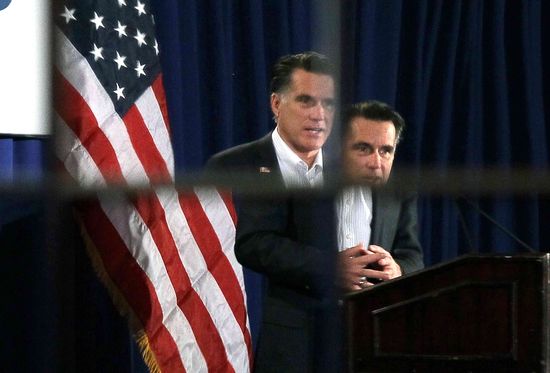
By Justin Sullivan/Getty Images
Monday on the Dish, Andrew watched the "I like firing people" video and teased out what one can (fairly) conclude from it. He also noted Bill Kristol's enlistment of Gary Bauer as spokesman for the neoconservative cause, chuckled at Vatican insanity over gays, set expectations for Romney in New Hampshire, and got some backup on Mitt's viability in the general from Arah-say Alin-Pay. We discovered some nasty details from Romney's Bain days, questioned his claims about creating jobs, tracked a debate over the qualit of the Republican field, blamed Bush for the state of the GOP, and examined whether the non-Romneys were a circular firing squad. Santorum was popular in the South, was understood as the political Tebow, and was peddling nonsense about polygamy. Huntsman had a modicum of momentum (possibly enough to get money from his pops), he and Paul benefitted from a Romney decline, Ron enabled both the mass imprisonment of Americans and his son's ambitions, and James Joyner timed out the inevitable GOP revolution.
The international response to brutality in Syria was muddled, Iran sanctions had bite, and the defense budget may not have contributed to innovation. Lobbying paid off, Thatcherhated lazy crony capitalism, and women didn't need their own blog to talk about politics. Marriage equality faced a test in New Jersey, Salt Lake City won the crown for "gayest city" (Orlando came in #2), nasty zealots acted like hipsters, and the best way to rebel wasin secret.
Crime declined, weather made men work, arguing with the fam helped kids, calling your mam calmed you, television shows sneakily manipulated contagious laughter, Amtrak's future wasn't clear, people were afraid to say they were sick, and Paypal went nutzo with respect to counterfeit policies. Faces of the Day here, Yglesias nominee here, VFYWhere, AAA here, Quotes for the Day here and here, and MHB here.
- Z.B.

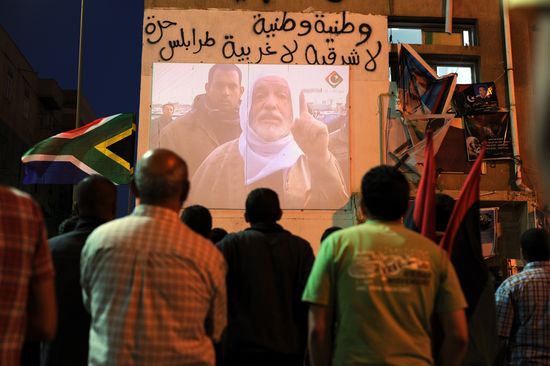

 The Dish