Jim Fallows believes that Obama's loss or win this November will help define it:
If a year from now Obama is settling in for a second term, a halo effect will extend back to everything he did during his first four years. His programs will be more effective in reality, since he will get that many more years to cement them in with follow-up measures, supportive appointments to federal agencies and the courts, and possible vetoes of any attempts at repeal. And, through the lens of history, they will seem more effective, since whatever he did in his first term will appear to have been part of an overall plan that was ratified through reelection.
Yet if a year from now a just-beaten former President Obama is thinking about his memoirs and watching his former appointees blame one another, and him, for the loss, the very same combination of missteps and achievements will be viewed as a narrative leading inexorably to defeat.
By saying, after a year in office, that he would rather be “a really good one-term” president than a “mediocre” president who served two terms, Obama was playing to the popular conceit that presidents should rise above such petty concerns as reelection. The reality, though, is that our judgment about “really good” and “mediocre” presidents is colored by how long they serve. A failure to win reelection places a “one-term loser” asterisk on even genuine accomplishments. Ask George H. W. Bush, victor in the Gulf War; ask Jimmy Carter, architect of the Camp David agreement.
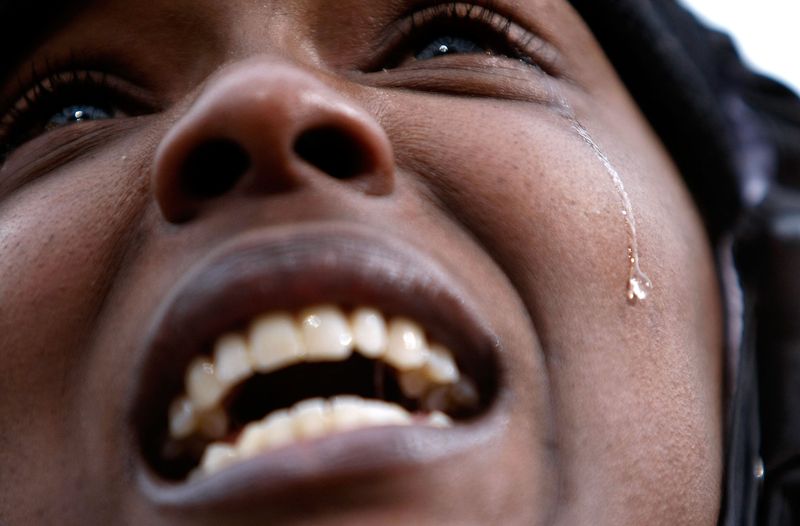
(Photo: Laterra Hopkins of Washington, DC, weeps while listening to U.S. President-elect Barack Obama address a rally with 40,000 people at the War Memorial Plaza January 17, 2009 in Baltimore, Maryland. By Chip Somodevilla/Getty Images)
 The Dish