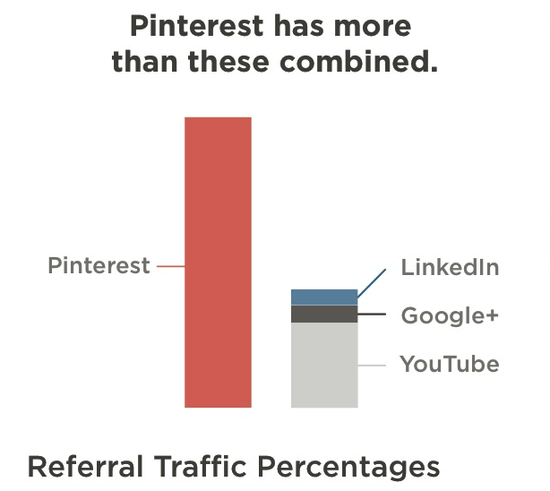
Philip Bump ascribes the rise of Pinterest, a popular social media site, to the success of the short intro:
Brevity is fashionable — the ever-hip Awl's Twitter feed, for example, goes out of its way to be terse. This is the gateway web now: blurb, link. Sometimes combined, sometimes not. What makes Pinterest unique is that the blurbs are images. The front page of Pinterest is an old-fashioned link blog using pictures instead of words. It's not a blog platform; it's image Twitter.
Erica Grieder offers a different explanation:
Social media typically has a performative dimension, as indeed does most social behaviour. Often, however, the positioning is based on past experience: this is where I went to school, these are my friends, this is what I said about it at the time. Facebook's new Timeline feature, for example, reinforces that site's tendency to act as an autobiography or social CV. Pinterest, by contrast, is largely disinterested what users have done. It's geared toward what they are interested in and what they might do. The suggestions that the site offers about what it can be used for–redecorate your home, perhaps, or plan a wedding–emphasise plans, goals, daydreams.
(Image detail from Modea's Pinturist infographic)
 The Dish