From The New Republic archives, W.H. Auden reviews a translation of Rilke. What's most remarkable is Auden's concluding recommendation, given the date of the essay – 1939:
Rilke’s influence is not confined to certain technical tricks. It is, I believe, no accident that as the international crisis becomes more and more acute, the poet to whom writers are becoming increasingly drawn should be one who felt that it was pride and presumption to interfere with the lives of others (for each is unique and the apparent misfortunes of each may be his very way of salvation); one who occupied himself consistently and exclusively with his own inner life…
This tendency is not to be dismissed with the cheery cry “defeatism.” It implies not a denial of the importance of political action, but rather the realization that if the writer is not to harm both others and himself, he must consider, and very much more humbly and patiently than he has been doing, what kind of person he is, and what may be his real function.
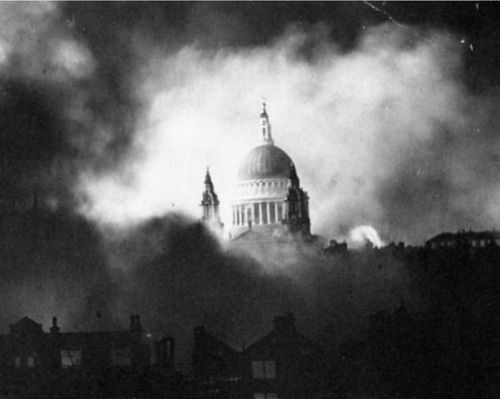
When the ship catches fire, it seems only natural to rush importantly to the pumps, but perhaps one is only adding to the general confusion and panic: to sit still and pray seems selfish and unheroic, but it may be the wisest and most helpful course.
 The Dish