The Politics Of An Obamacare Victory

What happens if SCOTUS upholds the individual mandate:

[T]he right wing will explode. And perhaps even more so due to the fact that expectations of Obamacare being declared unconstitutional have been raised. That should give the Republicans a big boost in the current enthusiasm gap. Because you can count on them making repeal of Obamacare a signature issue. That might help Republicans running for Congress is some key districts, but I'm not so sure its would be a good thing for Mitt Romney. I suspect that with his history in Massachusetts, he'd prefer that Obamacare be taken off the table in this election.

Previous thoughts on the politics of a mandate defeat here, here and here.

The World Wide Family Web

The National Archives this week released the first ever online census from 1940, resulting in over 37 million hits the first day, crashing the site. John Seabrook celebrates the records as "the bread and butter of genealogical research":

I searched through twenty-six census forms … filled with the pinched, Depression era handwriting of the enumerator, one Mortimer A. Gubbis, Jr., until I came upon the names of assorted ancestors: both of my paternal grandparents, two uncles, and numerous cousins, but not my father, who must have been living somewhere else at that point. (Another mystery to solve.) I found them among farmers (five million Americans counted themselves as farmers, compared to 613,000 in 2010) and laborers and stenographers and salesmen, in a nation of only a hundred and thirty-two million that was emerging from the Great Depression and heading into the Second World War. On seeing their names on the list, I had the familiar feeling: the vastness of world history seemed to abruptly contract in scale and fit neatly into the tiny squares and rectangles of the census form.

Justin Wolfers tracked down the history of his house:

It was home to three African-American families (or, in the words of the 1940 census, “Negroes”).  Multiple families in a dwelling was actually pretty common in Philadelphia, with each floor of the brownstone occupied by separate families. The three families provide an interesting snapshot of Depression-era Philadelphia.

First, the Chisom’s, who had moved to Philadelphia from Blackville, South Carolina. Neither Robert Chisom (age 47) nor his wife Ina (age 38) had any formal education.  He was working as a laborer for the city, and earned $800 (which is equivalent to $13,000, today).  She was a housewife. Their son Leroy (age 17) had attended school until the fourth grade, and was looking for his first job.  But in the wake of the Great Depression, he had been unemployed for over two years.

Tips on how to find out about your home and history here. There's also a great Life photo essay from the 1940s on what those census takers might have looked like.

America’s Beagle

Screen shot 2012-04-04 at 9.49.31 AM

From a short history of Snoopy:

Snoopy was inspired by Schulz’s childhood dog Spike, who first made his syndicated appearance in a drawing that Ripley’s Believe it or Not accepted for publication when Schulz was only 14. Snoopy’s name came—years before he existed—from Schulz’s mother’s request, as she lay dying from cervical cancer when Schulz was 21, that if they ever got another dog they should call him Snuppi, a Norwegian term of endearment.

I have to add that Schulz clearly modeled Snoopy on an actual beagle. My own oldest one, Dusty, is pure Snoopy: aloof, condescending, self-involved, intermittently social, and every now and again so sweet you forget all the rest. Also: chill. I remember once going to Ptown with her in a plane and her crate got transported ahead of me, so she was at Ptown airport for an hour before I got there. I was completely angst-ridden, already feeling bad about putting Dusty in a crate in an airplane. But when I got there, she was just hanging out with the airport workers, all but having a Martini, and greeted me with indifference. But then there's the moment I come back from a trip, and she explodes with energy and love and baying that pierces the apartment like a siren. She's fourteen now. I can't imagine life without her ornery sweetness.

(Street art via World Of Wonder)

Who Will Win The Veepstakes? Ctd

Steve Kornacki draws a parallel to HW’s choice in 1988:

Like Romney, Bush came to the race with a well-documented moderate/liberal past that he tried to pretend didn’t exist. Conservatives didn’t trust him, but he took all of the positions he wanted them to take, and they ultimately consented to his nomination. Then, when Bush began looking for a running-mate, they reminded him who was boss. The Bush campaign floated names like Bob and Elizabeth Dole, Alan Simpson, Pete Domenici, and Nancy Kassebaum as prospective VP’s. This is not what the right wanted to hear. … It was the pressure to appease voices like these that led Bush to choose a 41-year-old Indiana senator named Dan Quayle. The immediate reaction from conservatives was glee. Then Quayle opened his mouth, and the rest is history.

Jamelle Bouie reminds us how the veep selection process can make or break a politician:

Remember, in the modern era, it’s rare for a losing Republican vice presidential nominee to become the nominee in a later election. Dan Quayle, for example, is a punchline, not a presidential candidate, and the same goes for the most recent member of the club, Sarah Palin. Which is to say that, in a world where Republicans don’t see a future for Romney, we should expect the vice presidential "race" to become a microcosm of the nomination contest, ambitious Republicans keep themselves out of the running, and leave the field to second and third string politicians who have nothing to lose from a defeat in November.

Earlier veep speculation on Paul Ryan, Rob Portman, Bob McDonnell and Marco Rubio.

The Weekly Wrap

6a00d83451c45669e20168e9b9eb37970c-550wi

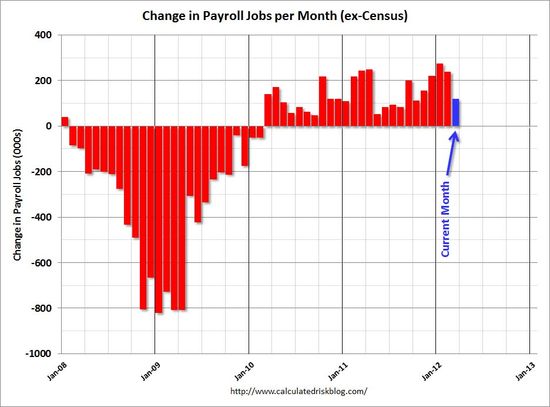
Friday on the Dish, Andrew assessed the Obama strategy for the upcoming nuclear talks with Iran and disabused the right of the idea that Reagan's recovery was government-free. We compiled reax to the increasingly-electorally important jobs numbers, checked in on Obama's organization advantage in New Hampshire, called out Florida for disenfranchising minority voters, and decided VP candidates should probably be the person second-best suited to being President. Romney's "us-versus-them" foreign policy just didn't cut it and Mitt seemed boxed into an ultra-conservative general election stance.

Andrew also explored the role of miracles in his understanding of Jesus, flagged his upcoming TV appearances to discuss Christianity, and parsed data suggesting UK gay marriages were less divorce-prone than their straight equivalents. A reader disconnected "faith" from faith and a younger gay doctor related his experience with generational change. We critiqued the modern White Man's Burden, compared the Toulouse killer's psychology to that of other killers, and cut to the core of what newly constitutional prison strip searches were about.

Geolocation technology created freaky possibilities, Google whitewashed the vision of internet-assisted vision, Montaigne blogged first, acquiring fun experiences took effort, quick reactions were often lies, "alcoholism" had many faces, and a child didn't change one writer's life. Gold prices meant little, autocomplete didn't fix spelling, doctors needed to learn new tricks, and readers continued the discussion on cremation and burial. The politics behind Sandusky/Paterno came to light, skin shade discrimination hurt, Bully won the battle for PG-13, Hillary texted, and an Emily Dickinson poem fit Good Friday. Ask Jonah Anything here, Cool Ad here, VFYW here, MHB here, and FOTD here.

Thursday on the Dish, Andrew doubled down on his diagnosis of Romney's terminal ailment, dissented from Obama's "Social Darwinism" label for Ryan's budget, checked in with the economic forecasters about the unemployment rate during the general, tried to wrap his brain around Santorum's motivation for staying in, and was wowed by Mitt's ideological rigidity. We profiled Santorum dead-enders, patiently explained to them that the race was over, scoured GOP turnout numbers during the competitive part for clues about the general, guessed at what determined elections, ran down the reasons no liked Romney, clarified that he wasn't "moderate" in any meaningful sense, and pooh-pooed the idea that veeps can swing their home states. The Jewish vote remained safely in the D column (shenaniganry like this notwithstanding), the right's picture of Obama embodied another James Baldwin quote, Obama failed to prepare for releasing his inner Alinsky in term 2, too few women ran for Congress, and dogma poisoned parties. Ad War Update here.

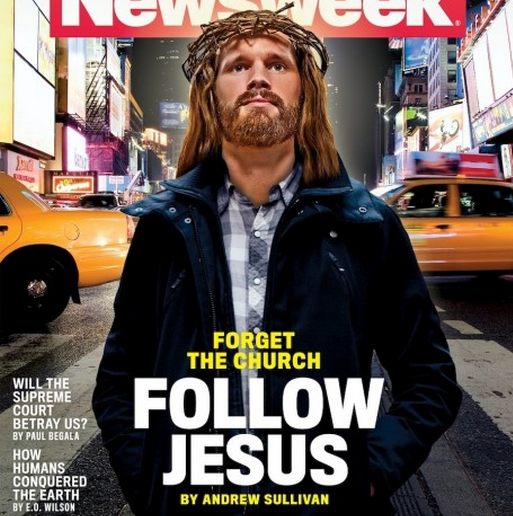
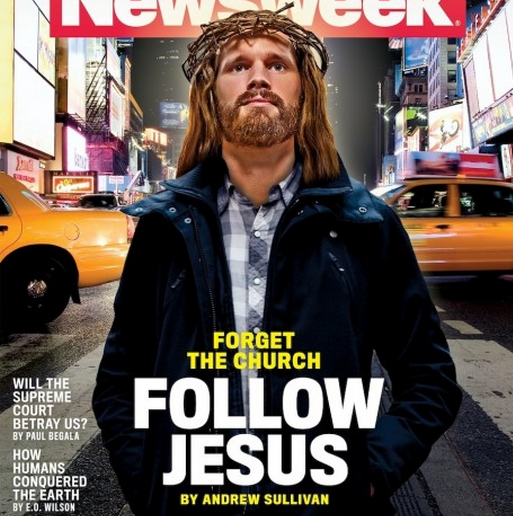
Andrew also debated Maggie Gallagher at Washington and Lee in front of an overwhelmingly pro-equality crowd, issued a correction on his Newsweek cover (related reader thread here), and blasted Netanyahu's settlement legalizations (companion post here). Game of Thrones explained our world, Mad Men viewers/readers sounded off about our psychoanalysis of its popularity, YA books were (maybe) OK for adults, and Bully's bullies were unelected and unaccountable industry types. We weighed the relative merits of pageant momes and tiger moms, worked on understanding how to parent an autistic child, thought about donating a kidney to save a stranger's life, wondered if the dead deserved privay, and listened to reader feedback on cremation vs. burial. Weddings were overpriced, pink slime wasn't that different from normal meat, baseball had some political merits, and pot got some readers to thinking. Ask Jonah Anything here, Cool Ad here, Quote for the Day here, Yglesias Nominee here, Moore Nominee here, VFYW here, MHB here, and FOTD here.
6a00d83451c45669e2016303aeda11970d-550wi

By Mark Kolbe/Getty Images

Wednesday on the Dish, Andrew gave a fullthroated defense of a radical and individualistic Christian sexual ethic (response here), flagged the current Pope's old account of an apolitical Jesus, confessed the difficulties this Lent has brought, and listened to more reader feedback here. He also explored how the GOP turned Obama into a more vocal liberal, noted another instance of rank Obama-hatred, profiledthe psychology behind the anger, found it in cartoon form, aired reader thoughs, and saw no Palin bump. We tracked Obama's rhetorical escalation as the primary gave way to the general, got bored of primary horserace coverage, located Romney's base of "moderate cynics," dubbed him "Mr. Generic Republic," went over the merits of Paul Ryan as Veep (again), examined how Jeffrey Toobin shaped the SCOUTUS CW, and rifled through Congress' full e-mailbox. Ad War Update here.

On another front, Andrew dove in to the newly released Bush-era State Department memo explaining that torture was, in fact, torture. We kept track of more arguments on Beinart and the settlements, explained why adoption was banned in many Muslim countries, and worried about the effect of food prices on global stability. The world appeared primed to buy American, casinos profited from good design, and dating sites sold their clients' info. Google previewed a future of impossibly awesome glasses, driverless cars appeared to be coming to a street near you, apps seemed like the future of books, but suicide prevention wasn't progressing. The reflections of a gay doctor appalled and readers half-defended the MPAA on Bully. We grounded the us-versus-them dynamic in human biology, wondered if being ethical in one way served as a release valve to act poorly in others, noted that it was socially acceptable to say you suck at math but not at reading, and peered into the psyche of Mad Men fans. Many things seemed legit, including cremation.

Ask Jonah Anything here, Hathos Alert here, Quote for the Day here, VFYW here, MHB here, and FOTD here.

6a00d83451c45669e20163037ddf12970d-550wi

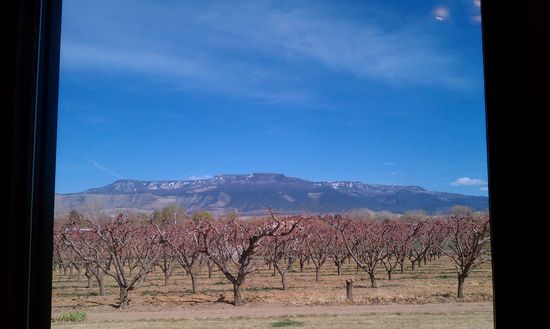
Palisade, Colorado, 3.29 pm

Tuesday on the Dish, Andrew laid into the right's absud view of Obama (follow-up here), watched the primary returns fit well-worn patterns, blasted the Tea Party and SCOTUS' blinkered understandings of freedom, worried about America's "entangling alliance" with Israel, and despaired at America's treatment of gay, international couples. We linked Obama's anti-Ryan jeremiad to his message in the fall, yawned at today's primaries, watched the Romneys from different timelines battle each other, reexamined the Santorum/cyberbullying issue, snickered at Rick's trip to Mars, gaped at a Fox News anchor's silliness, watched the appeal of neoconservatism wane, got at the essence of that declining doctrine, and located the future of liberalism in post-liberalism. Ad War Update here.

Andrew also livechatted about his Newsweek  Christianity cover, clarified its argument in response to blogospheric feedback, defended the piece against reader dissents, and listened to more reader commentary here and here. We calmed fears about Iranian nukes spurring regional proliferation, heard the war drums on Iran abate, flagged an interview with Peter Beinart, gave context for Iraq's low death toll, and celebrated Burmese economic progress alongside its tentative steps toward liberalization. Taxes saved (?) the economy, job training programs failed, the "Big Football" thread moved forward, crowdsourcing entrepreneurship advanced (tentatively), and The Economist prospered. Scientists worked on an explanation for ideology, animals had superstitions, the young supported paid organ donors, and cyclists weighed in on the rules of the road. Sleeping with a porn star touched a reader's heart, community college became cool, and writing surprised writers. Ask Jonah Anything here, Cool Ad here, Quote for the Day here, VFYW Contest Winner here, VFYW here, MHB here, and FOTD here.
Screen shot 2012-04-06 at 4.53.58 PM

Monday on the Dish, Andrew explored his Newsweek cover-story on reclaiming Christianity (which he defended here and found a meme for here), speculated that Obama already knows that the Court has killed the mandate, felt jaw drop to floor after hearing about Sarah Palin's hosting gig (follow-up here), blasted Santorum's "pick-and-choose" Christianism, and noted the candidate's escalating attacks on Romney. Mitt acted recklessly in Wisconsin, women abandoned Romney for Obama in crucial states, Obama looked capable of winning while losing a majority of all Christians, Rob Portman seemed like a plausible veep, Santorum was cyber-bullied, and the GOP turned against science. We brought out the popcorn as Obama took on the Court over the mandate, thought more about whether SCOTUS faced a "crisis of legitimacy," attempted a defense of judicial activism, discussed more elements of Hillary Clinton's feminism, adjudicated an argument TNC and Juan Williams about black-on-black crime strongly in the former's favor, and pondered what the filibuster has done to our democracy. Ad War Update here.

Andrew also took on the WaPo review of Peter Beinart's book, compared Poland's prosecution of torture to America's, debuted the readership stats from our first year at the Beast, and introduced the new "Ask Anything" series (the first installment, featuring Jonah Lehrer on pot, is here.) We tracked the least-bad month in Iraq since the invasion – which we were irrelevant to, worried that Iran's most powerful weapon was its control over oil prices, ran down the historic election in Burma, and delved into the "strange persistence of Islamophobia." The feds raided a pot school, prohibiton's absurdities amazed, police search dogs often failed, and doctors replaced treatment with drugs. Marriage hysterics incorrectly predicted the future (in 1986), humans reached peak IQ, the web became its own universe, and a blind man drove. Readers discussed the drivers-vs.-bikers debate and the football as big tobacco analogy, the penny had uses, it was possible to be overgenerous, Coco Chanel created tanning, Lena Dunham got described as the 25 year old female Louis CK, and a plastic skull sold for $50k. Hathos Alert here, VFYW here, MHB here, and FOTD here.

Z.B.

Montaigne, The First Blogger

From an essay on "the tyranny of timeliness":

When we credit Montaigne as the originator of the essay, it’s not because he was the first to write in prose on factual topics — it’s because he turned declamation into conversation. … A Montaigne essay, like a Shakespeare soliloquy, gives us the impression that we are in 550px-Michel_de_Montaigne_1 the presence not of a disembodied, opinion-spouting voice, but of a real person.

Long after those essays lost their relevance, long after the second-hand reports from the Americas and meditations on 16th-century French politics ceased to be news, they have maintained their appeal because they are a personality embodied. And the foremost trait of that personality is freedom: freedom to take up and turn over absolutely any subject in human experience, on any prompting or none; to follow any tangent simply because it catches his eye; to begin and end a continent apart, or simply to trail off; to know for the simple sake of knowing.

In Montaigne’s day, that freedom was the privilege of an aristocrat. Today, unless we trade it away for a mess of relevance, it’s the birthright of anyone with a high school education and an Internet connection.

Now you know even more why Montaigne is one of this blog's inspirations. More on his bloggy style here and here.

(Image via Wikimedia Commons)

Why Loners Kill

Toulouse_GT

Ian Buruma uses the Toulouse murderer, Mohammed Merah, as jumping-off point to profile the psychology of mass murder:

Merah grew up as a petty criminal with no interest in religion. The appeal of Islamist extremism may have been its glorification of violence more than any religious content. He enjoyed watching jihadist videos of beheadings. He also tried to join the French army and the Foreign Legion. The army turned him down because of his criminal record. If the French wouldn’t have him, he would join the holy warriors: anything to give him a sense of power and an excuse to indulge his violent impulses.

Many young men are drawn to the fantasy of violence; far fewer feel the need to act it out. Ideology can serve as an excuse or justification, but it is rarely the main source of individual acts of brutality. Murder sprees are more often than not a form of personal revenge – losers wishing to blow up the world around them, because they feel humiliated or rejected, whether socially, professionally, or sexually.

(Photo: Flowers and candles lay on the ground in front of the 'Ozar Hatorah' Jewish school wall on March 23, 2012 in Toulouse, southwestern France, where four people (three of them children), were killed and one seriously wounded by self-proclaimed Islamic extremist Mohamed Merah, shot dead on March 22 by RAID special forces unit. By Remy Gabalda/AFP/Getty Images)

Can A “Massachusetts Moderate” Tack To The Center?

Noam Scheiber thinks not

The reason conservatives have traditionally done better in presidential elections is that they have the luxury of running to the center. Consider, for example, George W. Bush. Precisely because no one doubted his conservative credentials—the man’s favorite philosopher was Jesus Christ, for God’s sake!—Bush could style himself a minority-loving, compassion-exuding moderate without worrying that conservative mau-mau-ers might pounce at any moment. Recall that it was Bush who, back in October of 1999, criticized House Republicans for trying to “balance their budget on the backs of the poor.” 

I agree with Noam's broad point. But this also reveals just how corrupted religion has become in America. Since when does professing that your favorite philosopher is Jesus Christ mean you are a Republican, let alone a conservative Republican? Since the emergence of the Christianist right.

The Reality Of Augmented Reality

A YouTuber fixes Google's augmented reality glasses video:

When I saw Google had somehow forgotten to include any ads in their Project Glass promotional video I just couldn't resist fixing that oversight for them. 

Ira Glass saw this coming:

Glass said he suspected that these Google glasses would soon become mere vehicles for advertising, "and that doesn't seem like fun." Also, he failed to see the benefit of eyewear that could tell him it was raining. "Like, if you exist in the world, you don't need somebody to tell you what the weather is. You exist in the world and the weather is happening around you."