E.J. Graff is patient:
Here's the truth: If we had national marriage laws, I would not be married right now. The U.S. has only recently been able to break through and try out same-sex marriage, which is leading people to realize, albeit slowly, that it's no threat to anyone. But that's only been possible because our federalist marriage system allows each state to make its own decision. And because we have a federalist system, LGBT advocacy groups are able to challenge the one national marriage law that the U.S. has passed: the Defense of Marriage Act (DOMA). … And what all the DOMA lawsuits are saying to the federal courts is this: let the states decide.
Exactly. There are currently two core positions on marriage equality. The first says this is a matter for the states, as it was for inter-racial marriage for centuries. The second says that this has to be 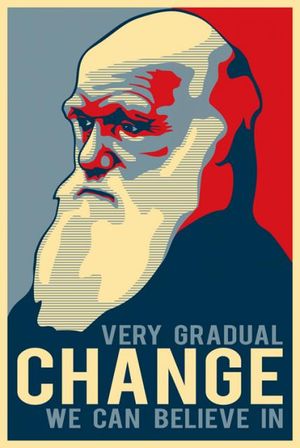 decided federally for the entire country as a whole. I have always taken the first position – because I take seriously the argument that you do not change such a fundamental institution without some experience of what its effects might be. Federalism is able to test things out: "laboratory of the states" blah blah blah. And that's why federalism is, or should be, a conservative position (in the Manzi sense).
Instead the GOP first pushed for the Defense Of Marriage Act, the first time marriage was federalized as an issue in American history; and its current nominee wants to amend the federal constitution to prevent Massachusetts, Connecticut, Iowa, et al from deciding their own marriage laws. So much for states' rights. If they conflict with divine mandates, buh-bye states' rights.
My view is that we can and should be patient, because I believe the experience of marriage equality is one of the reasons public opinion has shifted. We can now see this as a reality, rather than as an abstraction. And it has led to very little social change, except for more marriages, and more family integration. You think my taking turns with my husband to walk the dogs is a subversive and destabilizing act? Please.
What's left right now is the federal government's simple legal recognition of all civil marriages in the states where marriage equality exists. The feds recognized inter-racial marriage in non-Southern states long before the bans on miscegenation were ruled unconstitutional. If DOMA falls, we can get back to the debate – and allow Burke's "great law of change" take its course.
(Image by Mike Rosulek)
 The Dish