When A Food Meme Goes Mainstream

Adam Martin gags on Burger King's latest offering:

We can all agree Burger King's summer-special bacon sundae is passé, but it's worse than that: The cynicism of putting the thing on the chain's menu, especially years after the bacon-as-dessert trend's popularity peaked, is outright insulting. Regardless of how it might taste (we'll get to that in a minute), the product is just such obvious pandering, a clumsy and manipulative stab at trend-chasing.

Linda Holmes counters

Hard as this may be to believe, people around the country eat uncool food all the time. Constantly. They do it recklessly, without regard to their reputations. They eat completely unfashionable chicken Caesar salads, they consume coffee that's been on the burner for an hour, and they nuke Lean Cuisines at lunch, and they actually feel okay about themselves. They do not feel "insulted" that they are being served inarguably uncool food, let alone food that has merely been declared uncool in Greenpoint. 

Sure, but there is a difference between uncool and unappetizing.

“Hmm”

Natale Wolchover investigates its origins: 

Hmm is technically categorized as an "interjection," along with the likes of um, huhouch and wow. It's also "sound symbolic," along with onomatopoeia words like plopping or oink— "except that it's symbolic of, really, nothing … The first h-sound is simply a substitute for breath, and the second m-sound, since the mouth is closed, is symbolic of the fact that we're not quite sure what to say," [Linguist Anatoly Liberman] said. The pause filler indicates that we're temporarily speechless, but still engaged. The variety of tones we may take add subtle meaning to the interlude. Nicholas Christenfeld, a psychologist at the University of California, San Diego, and an expert on filled pauses, suspects hmm is popular primarily because it's such a neutral sound. That is, "it's easier to say than anything else," he said.

Is Your Blue The Same As My Green?

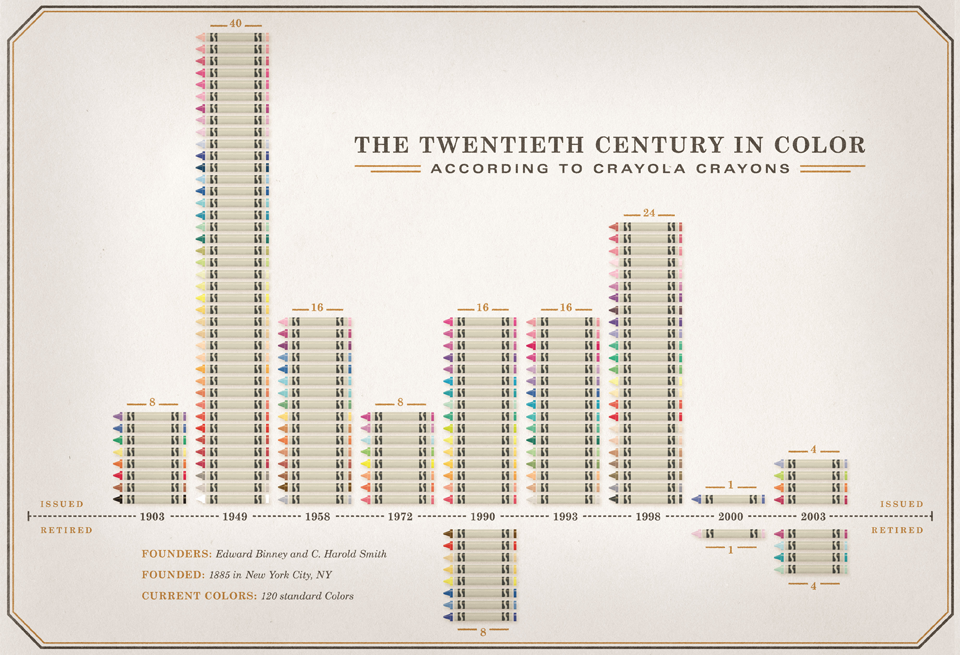
Crayons (1)

A fascinating look at how we perceive color:

Blue and green are similar in hue. They sit next to each other in a rainbow, which means that, to our eyes, light can blend smoothly from blue to green or vice-versa, without going past any other color in between. Before the modern period, Japanese had just one word, Ao, for both blue and green. The wall that divides these colors hadn’t been erected as yet. As the language evolved, in the Heian period around the year 1000, something interesting happened. A new word popped into being – midori – and it described a sort of greenish end of blue. Midori was a shade of ao, it wasn’t really a new color in its own right.

One of the first fences in this color continuum came from an unlikely place – crayons. In 1917, the first crayons were imported into Japan, and they brought with them a way of dividing a seamless visual spread into neat, discrete chunks. 

In part two, Aatish Bhatia explores how learning words for colors messes with our perception of the world:

As toddlers learn the names of colors, a remarkable transformation is taking place inside their heads. Before they learn their color names, they are better at distinguishing color categories in their right brain (Left Visual Field). In a sense, their right brain understands the difference between blue and green, even before they have the words for it. But once they acquire words for blue and green, this ability jumps over to the left brain (Right Visual Field).

Think about what that means. As infant brains are rewiring themselves to absorb our visual language, the seat of categorical processing jumps hemispheres from the right brain to the left. And it stays here throughout adulthood. Their brains are furiously re-categorizing the world, until mysteriously, something finally clicks into place.

Update from a reader:

You must add a link to this RadioLab episode about color perception!

(Hat tip: The Morning News)

The Suffering In Syria

Slate features a dispatch from an anonymous reporter in Syria who thinks the regime is wobbly:

New signs emerge every day now that the revolution is closing in on Damascus. A collapsing economy is delivering nothing but shortages and soaring prices, driving the discontented middle classes toward the revolution. Free Syrian Army checkpoints occasionally appear now on main highways, mere miles from the capital. The airport road, always of great symbolic and strategic importance, has at least twice fallen, if briefly, to the rebels. Bold assassinations of infamously cruel security chiefs are taking place in Damascus' nicest neighborhoods. The regime no longer has the military capacity to crush the rebellion everywhere at once. 

David Rohde is less sanguine:

A bloody stalemate has emerged. As the opposition receives more arms, it is slowly gaining control of rural areas but unable to seize cities. Government forces and militia, in turn, have grown more brutal. Bosnia and other conflicts show that the longer the fighting drags on, the more bitter the postwar divide. More important, as the Sunni-Shia fighting escalates in Syria, it is destabilizing Iraq, Lebanon and other neighboring countries. The risks of a regional conflagration are growing.

Hayes Brown explains why Moscow, not Beijing, is the critical location for any sort of successful diplomacy on Syria.

The Weekly Wrap

Friday on the Dish, Andrew defended his appreciation for Obama's Cleveland "reboot" yesterday, called Romney out on his absurd flip-flop in response to Obama's immigration move, rolled his eyes at the Daily Caller's heckler, situated Reagan far to the GOP's left, blanched at the sort of Christianist Romney is afraid to confront, and argued Obama's foreign policy requried a second term. We compiled reax to Obama's Cleveland speech and immigration directive, condensed the Dish's coverage of the former, found some pretty terrible GOP Hispanic outreach, predicted that assimilation would help the Republicans, broke down some outs for SCOTUS on health care, chided Rand Paul for endorsing Mitt's foreign policy, countered the idea that veep picks should be boring, analyzed Romney's language, and heard from Colbert on dressage. Ad War Update here.

Andrew also entertained hope for gay Mormons, studied Mormon views on divorce and marriage, and signalled his intent to respond to Greenwald and reader dissents on drones. We pinpointed the main front in the drone war, worried we were slouching toward an Iran war, speculated about Egypt's trajectory after yesterday's crisis, tracked ongoing anti-Putin protests in Russia, and highlighted a horrifying case of forced abortion in China. Gayness persisted as a consequence of evolutionary pressures on women, priests weren't going away in New York and children ran up the credit card bill. Facebook seemed well-positioned to make its own card, cops (not jailing) headed off crime, news didn't fuel papers, television aesthetics drew on white male sensibilities (and two shows), Wes Anderson provoked controversy, and barnacles had giant dongs.  Ask Tina Brown Anything here, Yglesias Award Nominee here, VFYW here, MHB here, and FOTD here.

The rest of the week after the jump:

6a00d83451c45669e2016767871895970b-550wi

By Orlando Sierra/AFP/Getty Images

Thursday on the Dish, Andrew liveblogged Obama's Cleveland speech (with reader response here and follow-up here), implored the President to embrace immigration reform as a campaign issue, worried about Sheldon Adelson's "limitless" ability to influence the campaign, spotlighted a documentary about H.W. Bush (related stuff here), mocked Sally Quinn, then sorta defended her. We ran the numbers on the "blame Bush" tactic, favorably compared Obama's negative narrative about Romney to Romney's negative narrative about him, explained how little evidence there was that gaffes mattered, wondered when the GOP would come to its senses, broke down the reasons Obamacare wasn't a job killer, pointed out the inherent vagueness of Romney's health care plan, speculated as to why Democrats rarely vote for Mormon candidates, and put up some reader pushback against the "hypocritical left" on soda bans thesis (incidentally, the ban wouldn't work). Ad War Update here.

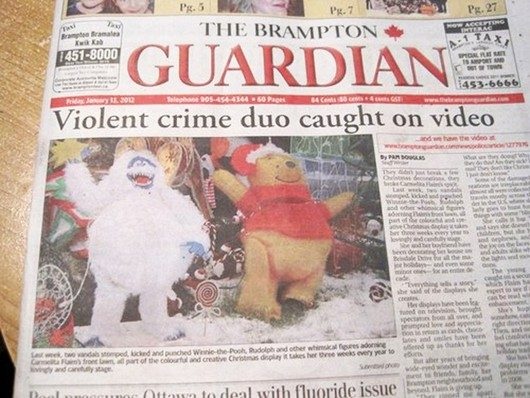
Andrew also reacted to the seeming coup in Egypt (views from around the Web on same here), found Bill Kristol calling for more war, and scrutinized David Cameron's ties to Rebekah Brooks. Libya prepared to vote, soldiers failed to understand Afghanistan, the African population had little room to grow, and Europocalypse loomed. Trailers received mixed reviews, a baseball catch wowed, video games felt like playing music, and Reddit solved the forever war. Internet culture mainstreamed, women powered the web, mobile was tough to monetize, and Southwest kept it simple. Ask Tina Brown Anything here, Quote for the Day here, Poseur Alert here, Yglesias Award Nominee here, Chart of the Day here, VFYW here, MHB here, and FOTD here.
6a00d83451c45669e201630674dd9c970d-550wi

Wednesday on the Dish, Andrew continued his debate with Greenwald on Obama's drone strikes, pinpointed double standards on Romney's Mormonism, predicted a race that would go down to the wire, and bet immigration reform wasn't dead. We set expectations for Obama's upcoming speech, explained why Romney could lie so blatantly, outlined a scenario by which Romney could outfox the GOP on taxes in 2013, and spotlighted Joe Scarborough's vote for Ron Paul. We also profiled the lives of America's poorest white citizens, picked up on an oddity in the left's approach to substances, and wondered about the impact of the web on Supreme Court jurisprudence. Ad War Update here.

Andrew also remade the social conservative case for marriage equality over civil unions, found more evidence that Piers Morgan knew all about phone hacking, pushed another argument for why opposing gay families was bigotry, tallied the thinning Catholic herd as a consequence of the Pope's theological rigidity, figured the young and secular would change America, and declared the Pet Shop Boys the soundtrack of his life. Prometheus awkwardly engaged with science and religion, soccer fixing spread, and Game of Thrones hid a controversial little Easter Egg. International law dangerously allowed fake drugs to proliferate, the War on Drugs hampered medical research, the common cold may have helped us, and kids in cities had more allergies. America needed to rethink "college," the military didn't know it all, ticketing good behavior lowered crime rates, interactive video became a possibility, social stories came full circle, and bets amused. Ask Tina Brown Anything here, Headline of the Day here, Chart of the Day here, Yglesias Alert Nominee here, Poseur Alert here, VFYW here, MHB here, and FOTD here.
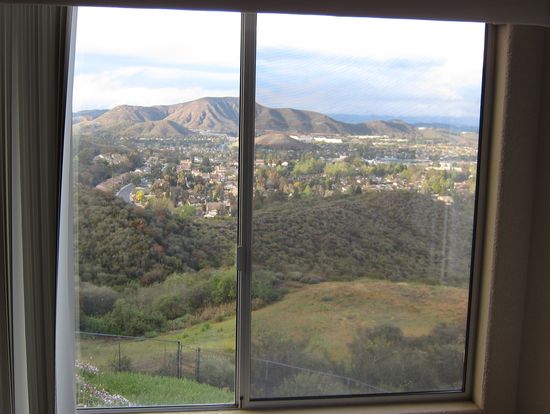
6a00d83451c45669e201761558fef3970c-550wi

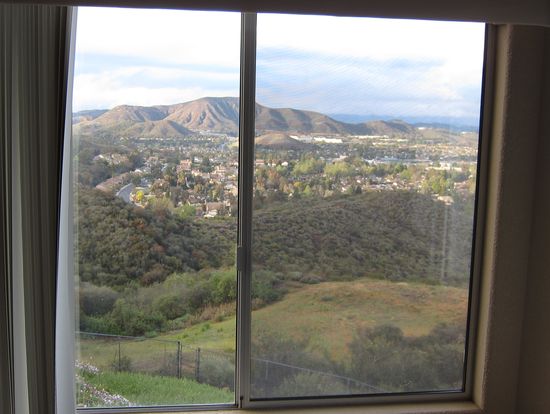
Newbury Park, California, 12 pm

Tuesday on the Dish, Andrew defended Obama's use of drones to target al-Qaeda leaders, declared his support for Obama rested principally on foreign policy grounds, and laid the blame for our economic problems squarely at Bush's feet. We uncovered America's hidden austerity, gave advice to the uninsured, listed the many ways Romney decieves, discovered that Romney's anti-gay sentiments caused him to veto an anti-bullying law, looked at evidence that the election would be all about turnout, debated whether America's disbelief in evolution mattered, and feared the consequences of the death of local news. Ad War Update here.

Andrew also explained how a study that would be used to damn marriage equality actually ended up praising it, found an instance of a GOP campaign outing the candidate's son, and found quasi-Victorian awkwardness about sex extended to the proclivities of penguins. The blogosphere exploded with views on the gay Mormon in a straight marriage and the NFL remained a closeted place. We continued discussion on America's most important allies, weighed a hypothetical about assassinating Assad, and imagined a nightmare future…that actually played out organically in a ten year long Civilization 2 game.

Finally, Andrew shared his scatological secret with the legion of emailers on poop psychology and reupped a joke about our insomnia post for the wakeful. We delved into the dark history of fairy tales, found an instance of product placement gone wrong, tracked the increasingly exclusive character of broadway, and learned about the first paparazzo. Tampons doubled as wilderness survival tools, your trash piled up, and humans reconstituted nature. White matter in the brain might not have caused more lying, Google Street View paved the way for driverless cars, and Google built a more meaningful search. Ask Tina Brown Anything here, Headline of the Day here, Hathos here, VFYW Contest Winner here, VFYW here, MHB here, and FOTD here.

Monday on the Dish, Andrew wrapped his brain around the political implications of mass American evolution denial, explained why Obama's first-term accomplishments are quite dependent on a second, followed up on his Sunday essay, gaped at John Bolton's stunning nonsense (and Romney's embrace of same), and chuckled at Rick Perry getting booed by a right-wing audience. We bet the Bain attacks were working, surveyed the Paul-friendly right's reaction to Rand's Romney endorsement, noted the defeat of an AIPAC-friendly Congressman, and Democrats seemed unlikely to grow GOP-sized balls. We also wondered if the GOP was sabotaging the economy, speculated about the Democratic approach to the Bush tax cuts, distinguished between two kinds of economic uncertainty, winced at the horrible compensation given to food workers, and thought through a proposal for child tax credits.

Andrew also applauded the gay Mormon in a straight marriage, marked Pride Month in Israel, implored you to ask Sister Jeannine Gramick Anything, celebrated the new Pet Shop Boys album, and supported Robin Roberts' willingness to publicly discuss her health. Liars had different brains, lying happened under a variety of conditions, machines challenged conventional moral thinking, plants perceived more than we thought (but not more than the Romans did), and mosquitos slid through rain. We challenged the idea that Assad was falling, updated you on Paterno's role in the Sandusky trial, and sounded an alarm for global environmental catastrophe. Science explained trash talk, the wealthy dominated the internet, marriage became class-stratified, divorces were not created equal, Blackberry's creator fell apart, prisons surprised, and cool evolved. Ask Eli Lake Anything here, Quote for the Day here, Chart of the Day here, VFYW here, MHB here, and FOTD here.

Z.B.

Outsider Looking In

Katrina Richardson critiques Wes Anderson's latest offering, Moonrise Kingdom:

Around the same time The Royal Tenenbaums came out and everyone fell in love. I was furious. It was so easy for Anderson and his characters. They could exteriorize their outsiderness in simple ways, with dollhouse-like sets, rebelliously simplified camera movements, or oversized fur coats and orange winter hats. The world would worship him and them as a new cool heroes of non-conformity. Yes, Anderson was mildly anti-authority in a way that would have excited me at 13, but he was encouraging a simplistic and precious way of thinking that reinforced what 17 year old me was beginning to fight against.

When your identity is built on the exteriorization of various feelings of outsiderness, it immediately gives you a sense of control in manipulating how the world interacts with you. So satisfying are these instances, that your visible exterior becomes a uniform that limits the desire to understand interior complexities and perhaps disrupt the new easy solution you’ve found. This perhaps is the comfortable place Anderson has found himself.

Austin Allen rebuts more general critiques:

One way to gauge Anderson’s achievement is to set him beside another celebrated auteur with the same initials. Critics who find Anderson’s work immature and Woody Allen’s sophisticated have things backward. (There are exceptions to this rule, but not many.) Anderson’s films are outwardly childlike but conceal mature emotional insight. Allen’s films play at urbane adulthood but are at heart sophomoric.

Chris Orr, for his part, calls Moonrise Kingdom "his best since Rushmore."

Why Did Crime Decline?

A recent FBI report found that the national crime rate has continued to drop:  

The 2011 report represents a 30.6 drop in property crime since 1991, and a 38 percent drop in violent crime since 1992.  Gary LaFree, a criminology professor at the University of Maryland, told MSNBC.com that a combination of factors have contributed to the decline. "There is some truth to the fact that younger people commit more crimes,” he said. “We also have a record number of immigrants, and contrary to popular belief, immigrants have lower crime rates than the rest of society.”

Franklin Zimring explains how NYC successfully fought crime:

First of all, cops matter. For at least a generation, the conventional wisdom in American criminal justice doubted the ability of urban police to make a significant or sustained dent in urban crime. The details on cost-effectiveness and best tactics have yet to be established, but investments in policing apparently carry at least as much promise as investments in other branches of crime control in the U.S.

Two other important lessons are that reducing crime does not require reducing the use of drugs or sending massive numbers of people to jail. Incidentally, the difference between New York’s incarceration trends and those of the rest of the nation—and the money that the city and state governments avoided pouring into the correctional business—has more than paid for the city’s expanded police force.

How Much Does A Kid Cost?

Almost $300,000, according to a new U.S. Department of Agriculture report (pdf):

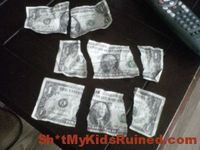
IMG-20110511-00089-300x225[A] middle-income family with a child born in 2011 can expect to spend about $234,900 ($295,560 if projected inflation costs are factored in). That’s a 3.5% increase from 2010 and a 23% hike from 1960 (that’s when the USDA first issued this report) when the cost of raising a child was equivalent to $191,723.

And that doesn't include university:

If you’re already balking at the quarter-million dollar price tag, consider this: the report stops at age 17. Parents who send their children to college can add a significant sum to the total. The report notes estimate by the College Board that in 2011-2012, annual average tuition and fees were $28,500 at 4-year private (non-profit) colleges, while annual room and board was $10,089.

Caption for the above image, via Shit My Kids Ruined:

My son decided to take three dollar bills that I had. For some reason, he claimed them as his own. He put them in the refrigerator at first and was upset with me for taking them out so he put them back in. A bit later I went upstairs to start laundry and came down stairs to this…. Each piece was crumpled into a ball. Time to teach him the value of money I guess.

When An Abortion Isn’t A Choice

Evan Osnos tells the story of a Chinese woman forced to abort her baby:

She had violated the one-child policy. Two shots were injected into her belly, and on the morning of June 4th she gave birth to a stillborn baby girl. Afterward, while she lay on a metal-framed hospital bed, her sister took a devastating (and, be warned, graphic) photo: mother, beside the bloodied remains of her daughter. It electrified the country. By Thursday night, the topic had attracted a million comments on Weibo, the Chinese Twitter, and rage was mounting.

Osnos calls "the case is a dramatic demonstration of exactly why the Communist Party had reason to be afraid of the Internet."