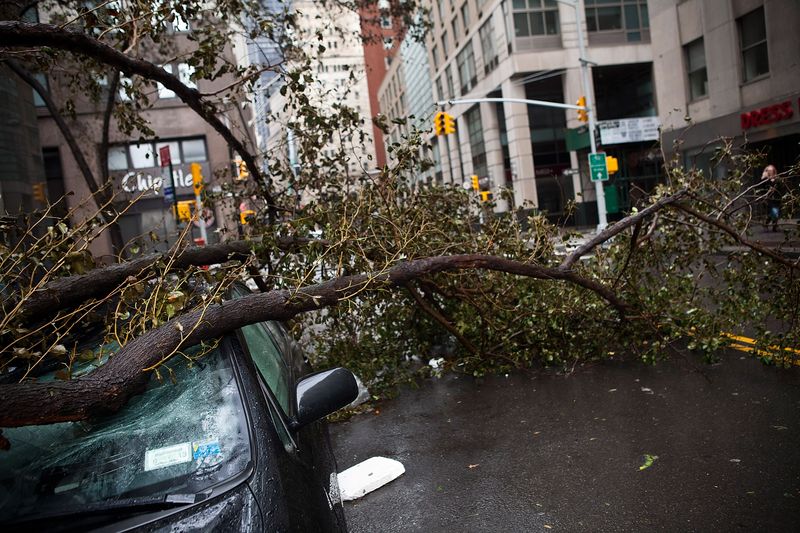
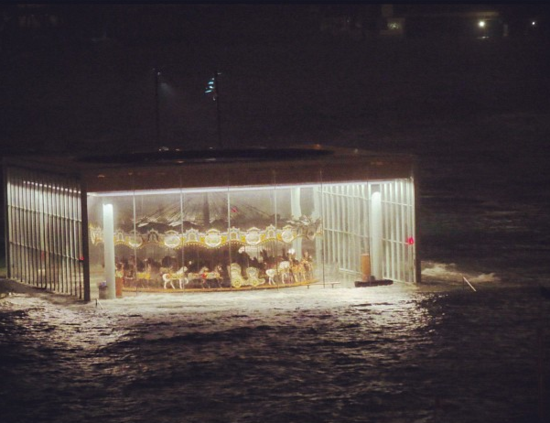
 Brian Morrissey Friday on the Dish, Andrew took down Frum for his Romney endorsement, pointing out that his argument hinged on Romney’s being a liar. He then chided “smug old media” over its handling of Nate Silver’s wager and, in the process of all that, began to come around to New York’s charm. In Sandy coverage, insuring natural disaster grew more expensive, James Kwak made the case for big-government hurricane prediction and a climate group highlighted Sandy in a political ad. Staten Island deteriorated, Caitlin Dickson investigated gas shortages and Ben Cohen noted the sudden importance of pay phones. Dominique Browning then provided tips for growing safer trees, Mary Elizabeth Williams related to amateur photographer risk-taking and the photographer of Jane’s Carousel shared his story. And after Eliza Shapiro reported on anti-NYC marathon backlash and Daniel Gross considered its logistics, the marathon was cancelled. Plus, SoPo was born and FOTD here. The final jobs report before the election delivered relatively good news, though long-term unemployment worsened. Noam Scheiber then evaluated Obama’s Ohio strategy, Dan Savage called Romney’s final pitch a “hostage situation” and Todd Akin rolled out an ad with a rape victim. Jamelle Bouie predicted a left-leaning Senate, women looked set to storm the Senate and Nate Cohn analyzed Romney’s lead in early voting. Reid Cherlin believed young people were still Obama’s base, Ambers predicted GOP post-election spin and Waldman broke down why liberals love Nate Silver. Douthat framed a possible Romney win, Washington’s marijuana legalization initiative seemed likely to pass and new web ads for marriage equality debuted. Plus, Andrew explained how he knew he was conservative. In assorted commentary, Goldblog sounded the alarm on the Netanyahu-Lieberman alliance, the Mormon church excommunicated Mormon historian Michael Quinn and as Mike Riggs spoke sense on the dangers of pot, Kleiman doubted that Big Tobacco wanted a piece of the pot market. The casino industry catered to gambling addicts and Michael Specter wondered about geoengineering. VFYW here and MHB here. The rest of the wrap after the jump:

Andrew Burton/Getty Images
Thursday on the Dish, Andrew mused on George Romney’s refusal to campaign for Goldwater, shed light on the Vatican’s support of the GOP, and after pointing out GOP destruction of federal research arms, requested a correction from Newsbusters on its takedown of his economic case for Obama.
In Sandy coverage, Obama got high marks, Drum discounted Christie’s political calculations in supporting Obama and Avent joined the chorus. Adam Serwer observed the misaligned incentives of natural disasters, David Rohde highlighted how the hurricane illuminated the wealth gap and Lower Manhattan’s power situation looked up. Yglesias then advocated for Dutch ingenuity, Bill McKibben grudgingly welcomed a new era in climate change and John Seabrook reflected on the little carousel that could. Sasha Weiss revisited the post-apocalyptic work of Wislawa Szymorska. Poseur Alert here and QOTD here.
In polls, Nate Silver examined the latest numbers, Sam Wang explained The Math and Nate Cohn spelled out Obama’s paths to victory. And while Gelman assessed Romney’s chances, Tom Holbrook found that the GOP brand was still tarnished.
Andrew then addressed Obama and marriage equality, Noah Feldman zeroed in on the election’s SCOTUS impact, E.J. Dionne Jr. made his Obama case and The Economist backed Obama. Jonathan Bernstein praised Bloomberg’s Obama endorsement, Seth Masket encouraged Sandy-based voting and the Romney campaign knocked Obama for favoring bureaucracy.
In assorted commentary, Andrew began to get the New York spirit and excoriated the gay left. Jeb Lund then discussed the coming out of Puerto Rican featherweight Orlando Cruz, Brendan James underscored the unsentimentality of Brit TV and women made less even after variables were controlled for. A French city offered a good case for free transit, Jack Shafer doubted that the Random House and Penguin merger would save books and James Somers says everyone should write. And as Anne Marie Wheeler explored bomb shelters, Ben Ambridge checked in on animal speech. FOTD here, MHB here, VFYW here.
Wednesday on the Dish, Andrew reemerged from the lower Manhattan blackout into “rush-hour in Calcutta” to emphasize the urgency of electing Obama, select the worst of Romney’s lies and reiterate his argument about GOP-Confederacy. He then highlighted Romney’s failure to address the Mormon ban on full black membership, as the head of a black Mormon group recalled his second-class sacrament.
In Sandy coverage, Christie hearted Obama, McKay Coppins revealed Romney’s last-ditch hurricane donation theater and Suzy Khimm examined Romney’s and Obama’s cuts to FEMA. James Pethokoukis called for a bigger role for private companies in relief efforts, Romney camped it up in front of soup and Tod Kelly reflected on whether private insurance can handle Sandy. Dylan Matthews tallied weather-related fatalities, Jack Shafer investigated our need for disaster porn and Matt Zwolinski ruminated on the ethics of price-gouging. Jonathan Maimon reported from lower Manhattan, rats evolved and a Twitter user spread false information.
In election news, as state and national polls conflicted, Sean Trende analyzed the split and Nate Cohn then looked at Ohio’s data. Joe Biden illuminated the civil rights issue of our time, Samuel Popkin surveyed polling history and Ezra Klein defended Nate Silver and unveiled a Romney-Ryan budget calculator. Mickey freaked out about the labor data and Kerry Howley defended non-voters.
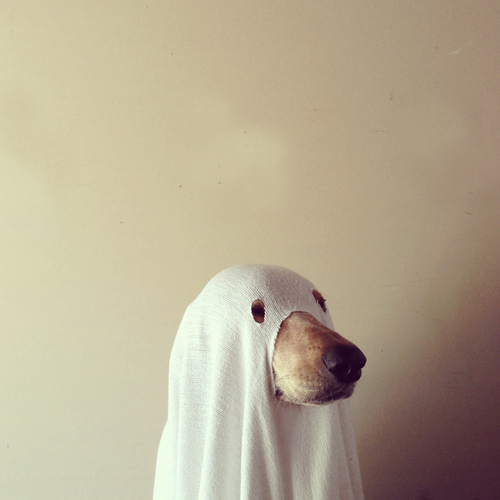
In creepy festive coverage, Andrew O’Hehir heralded a new age of horror, Edgar Allen Poe overdramatized and Brian Leithauser hailed the dark ambiguity of “The Turn of the Screw.” Will Hunt explored subterranean Paris, pups dressed up and as Tauriq Moosa wondered what made a good villain, sexy Halloween jumped the shark. Plus, 100 ghoulish quotes here and MHB here.
In assorted coverage, Sarah C. Rich broke down Hershey’s intellectual property coup and Edan Lepucki detailed the role of dog-barking in literary fiction. VFYW here – and don’t forget to ask the amazing Camille Paglia anything!
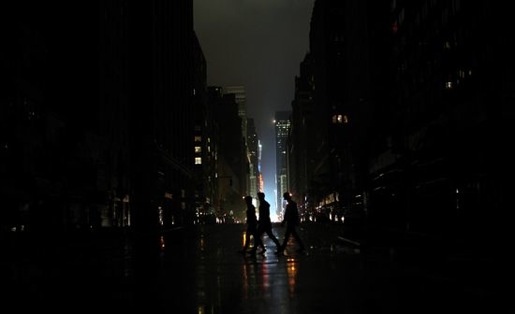
Allison Joyce/Getty Images
Tuesday on the Dish, Hurricane Sandy continued to dominate coverage, as Tomasky defended FEMA, Serena Dai assessed Sandy’s cost and Ambinder reviewed local and federal relief efforts. Then as Governor Christie hailed Obama, Bill McKibben discussed Obama’s record on the environment and lamented the flooding of the subway.
Mark Perry then took Christie to task on price gouging, Kent Sepkowitz worried about water supply and Chait supported politicization of Sandy. Bloomberg summed up the toll on NYC, Cuomo spoke truth about weather patterns and Nate Cohn praised meteorologists’ forecasts. While Friedersdorf saw no reason to endanger reporters, Walter Russell Mead meditated on the storm. And after fires raged in the Rockaways, firefighters used a boat to make rescues.
Lydia Callis then signed the hurricane, Ingrid Norton reflected on Katrina and Isaac, and amateur photography thrived via Instagram. The inbox grew quiet due to power outages, rats survived and Brownie chided Obama unironically. A Twitter user then misled, Christopher Mims stressed the climate-change factor was unclear, and as Jeff Masters sized up Sandy, New Orleans advised New York. VFYW here and FOTD here.
In election news, Kornacki believed Sandy disadvantaged Romney, anti-marriage equality forces duplicated ads and Sasha Issenberg claimed use of voter data and analytics were mismatched. And in global news, war with Iran became more likely and Philip Gourevitch pondered the constant Sandy-attack under which Syrians live. Empty NYC here and VFYW contest-winner here.
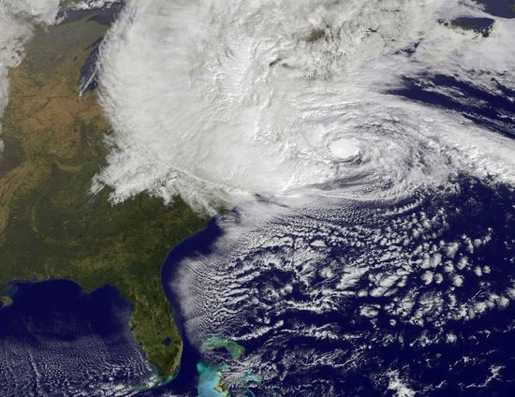
GOES satellite image by NASA via Getty Images
Monday on the Dish, we closely followed Hurricane Sandy’s destruction here, here and here. As the storm swept up the coast, Jeff Masters analyzed breaking info, Cord Jefferson warned about fake pics, and Brad Plumer used Sandy to discuss global warming. As some contended that the hurricane would hurt Obama’s reelection chances, John Allen broke down the potential advantage for Obama. Blake Zeff pointed out that the hurricane forces both candidates out of their comfort zones while John McTernan’s rhetoric put him in Malkin territory. Sandy-related FOTD here and the view from Andrew’s blackout here.
In election coverage, Andrew called out poll-divining propaganda and invited readers to send in contradicting headlines about the same new item. He then argued against the double-standard that bars scrutiny of Mormon traditions and noted that “politicized Christianism trumps apolitical denominationalism. In poll analysis, Andrew kept an eye on Ohio, Silver’s model remained unchanged despite epithets cast his way, and Tom Kludt compared live polls with robo-polls. John Sides then debunked the significance of undecideds and reviewed accuracy in past elections, as Mark Blumenthal looked into how the storm might affect polling.
In other election news, after Jonathan Cohn saw Romney’s fib-heavy auto industry ad as a sign of desperation, the Obama campaign hit back. As Ezra Klein rounded up pollster views on an EC-popular vote split, Kornacki previewed the GOP response should Obama lose the popular vote but win the EC. Larison then imagined the 2016 Republican primaries, a Florida pastor explained big early voter turnout among African-Americans, and as Massie gave the British perspective on Romney, Robert Dittmar emphasized that fixing the deficit required controlling healthcare costs. Plus, buggies caused Tuesday election precedent
In assorted commentary, Tony Dokoupil considered the downsides to legal pot and Jacob Sullum wondered whether marijuana arrests would continue to decrease. Joshua Foer revealed the secret to stickier memories, David Allen refined notions of “information overload” and amnesia made for good romance flicks. Tom Stafford theorized on the nature of our Tetris-love, making time for procrastination improved focus and innovation impaired reliability. Halloween MHB here.

Partial view of the cast of “Star Wars” as religious icons by Chey Chao
Saturday and Sunday on the Dish, Andrew examined the latest polling on the presidential race here and here, pointed to even more polling crack from Nate Silver and Mark Blumenthal, reiterated the moral case for Obama’s reelection, highlighted a hopeful quote from David Axelrod, showed how Obama’s skincolor is costing him votes, argued that the Romney’s core support is from the former Confederacy, critiqued the latest in Romney’s shameless shape-shifting, ran reader dissents on Romney and Mormonism, noted Sheldon Adelson’s $54 million in campaign spending, handed out both Malkin and Yglesias awards, and stood amazed at what Americans don’t know. And of course, like much of the East Coast, we prepared for Hurricane Sandy’s arrival.
In literary and cultural news, Alan Jacobs praised the reading habits of young Americans, Sam Sacks revealed the secrets of stocking bookshop shelves, Alexandra Socarides applauded a modern translation of Emily Dickinson, Amit Majmudar noticed great literature’s peaks and valleys, and John Dugdale pondered writers with long hiatuses between their novels. Camille Paglia claimed George Lucas as “the greatest artist of our time,” J. Hoberman explored photography’s relationship to the truth, Benh Zeitlein described the creative vision behind his film, Beasts of the Southern Wild, and Henri Cole meditated on the meaning of poetry. Read Saturday’s poem here and Sunday’s here.
In matters of faith and philosophy, a short animation asked why God would be a man, Jen Kiaba took us inside Moonie matching ceremonies, Maria Bustillos reminisced about her grandmother’s idiosyncratic spiritual life, Josh Lambert analyzed the self-styled Jewish identity of a crossover porn star, Jami Attenberg reflected on the Jewish roots of her novel The Middlesteins, Camille Paglia recalled the religious origins of her fascination with human creativity, and Freeman Dyson lamented the decline of philosophy’s public import.
In assorted coverage, Adam Gopnik wondered if geography is destiny, Jesse Norman held that Lincoln was our greatest president, Robert Krulwich put mankind’s population in perspective, Alice Dreger examined the sexuality of conjoined twins, James Hadfield reported on Japan’s bizarre dancing laws, a new study proved that Harry was right and Sally wrong about platonic friendships, Emily Bazelon told the story of tennis player Renee Richards and transgender rights, Chris Koentges divulged why he wears the same Halloween costume every year, Maureen Stanton tagged along with an expert antiquer, Judge Mark W. Bennett spoke out against the insanity of minimum sentencing that emerged from the War on Drugs, and Michael Erard recounted the role of small donors in political campaigns.
MHBs here and here, FOTDs here and here, VFYWs here and here, and the latest window contest here.
– G.G.
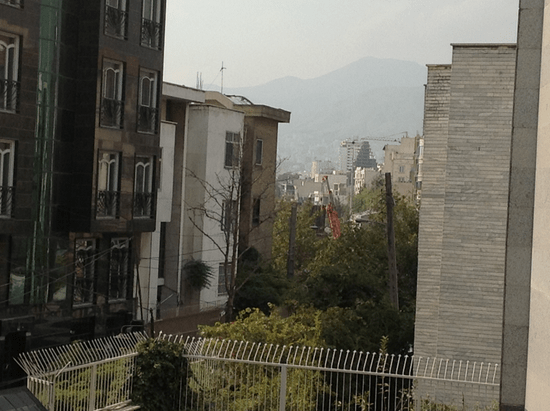
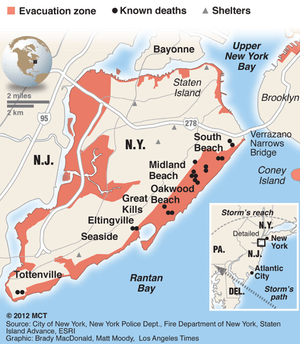 Staten Island, where the search for victims continues today. Yesterday investigators recovered the bodies of two young boys who were ripped from their mother’s arms in the surging flood waters on Monday night [
 The Dish