George Packer ponders inequality and our relationships with technology:
The strange thing is that technological romanticism doesn’t divide Americans. In an age when class and wealth determine everything from your food and beverage to your TV shows, news sources, mode of air travel, education, spouse, children’s prospects, longevity, and cause of death, it’s the one thing that still unites us.
I know a man in Tampa who was out of work for nine months after losing his job at Walmart, and more than once almost ended up on the street with his wife and two children. Last week, he was finally hired by a food conglomerate to drive from one convenience store to another, checking the condition of snack bags on the shelves. Like the unemployed Italian man in “The Bicycle Thief” who gets hired to put up movie posters and has to pawn his wedding sheets to buy the bike required for the job, the Tampa family had to sell some of their DVDs so the father could buy decent clothes and shoes and pay for gas.
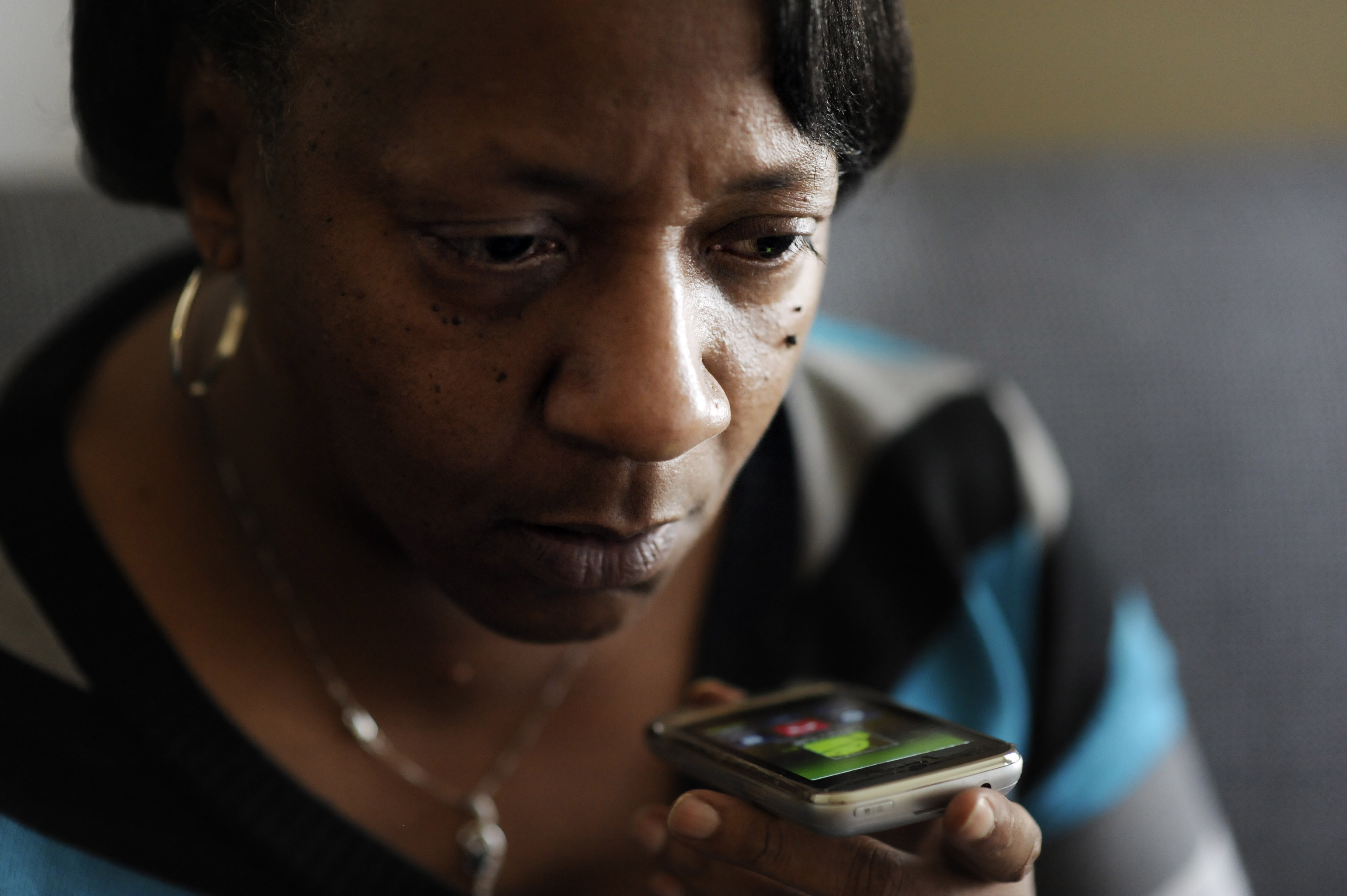
But he didn’t need to purchase a smart phone. He already had one. And in the future, when the price drops below its current fifteen hundred dollars, the unemployed might wear Google Glass, too. Perhaps it will allow them to disappear from their own field of vision.
(Photo: After being homeless for years and calling the floors of Union Station home, Gail Faulkner now in her new apartment talks to a friend on her new IPhone at Erna’s House, the first permanent housing in Washington D.C. for homeless women, Wednesday, March 14, 2012. By Melina Mara/The Washington Post via Getty Images)
 The Dish