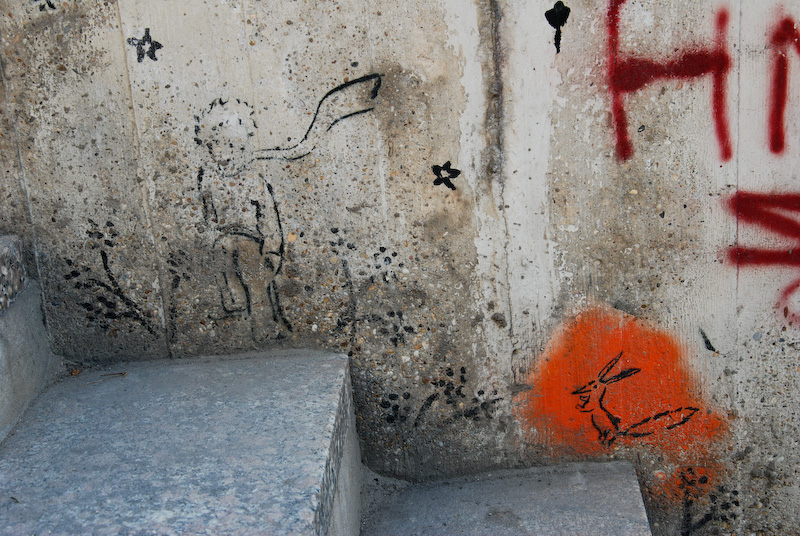
On the 70th anniversary of the famous children’s book, Amy Benfer criticizes the prince’s understanding of love:
He is driven off his home planet when made half mad over the love of a flower, a rose described as vain, weak, emotionally manipulative, “contradictory,” and given to “silly pretensions,” and who often coughs to hide her lies. “You must never listen to flowers,” confides the prince. “You must look at them and smell them.” This unflattering portrayal of romantic love seems even less appealing when one considers that the prince’s rose is widely considered to be a stand-in for [author Antoine de Saint-Exupéry’s] wife, Consuelo Sunsin, a tempestuous beauty from El Salvador (like the prince’s planet, home to three volcanoes), whom he often left alone during his travels, while he engaged in frequent adultery — the sin so singular to adulthood it shares its name.
Consuelo was no shy flower herself, but the portrait she created of their marriage in her posthumous memoir The Tale of the Rose: The Love Story Behind the Little Prince, published days before the centennial celebration of Exupéry’s birth in 2000, was damning enough to put quite a damper on the festivities.
Despite the devout love it has inspired in generations of impressionable teenagers about to cross over into courtships of their own, Le Petit Prince is not a particularly convincing love story. It is better at describing the platonic friendship between equals that sustain men wandering away from their women: the prince and the fox; the pilot and the prince. The prince protects his rose, shields her behind glass, but never understands her. In a grisly twist, the souvenir he brings back to his planet to commemorate his travels — the sheep in the box — may or may not kill her.
(Photo: Graffiti of the Little Prince in Bratislava by Flickr user bekassine)
 The Dish