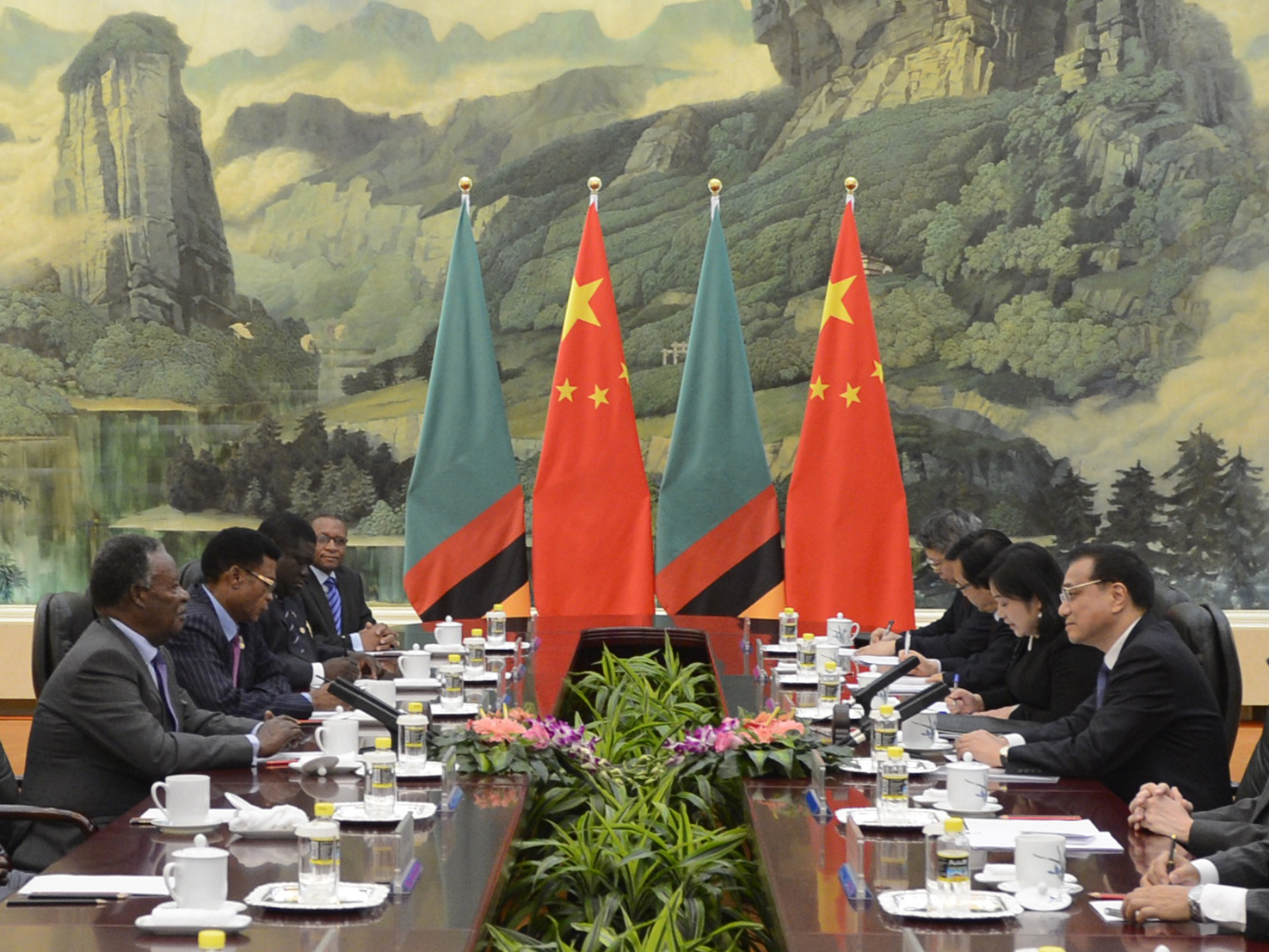
Howard French worries that American misperceptions of the situation in Africa are giving the Chinese a big advantage:
I have spent the last few years working on a book about China’s relationship with the continent, and could not have been more struck by the differences in attitude in the United States and China toward Africa. More than a million Chinese have moved to Africa in the last decade, largely because they see the continent as an arena of almost limitless opportunity. … Americans, meanwhile, despite their far deeper historical associations with the continent, including 13 percent of the population that traces its ancestry to Africa, cling to deeply engrained attitudes toward this part of the world, as a place of war, of misery, of strife, etc.
He lays the blame primarily on the press:
[T]he American media are long overdue for a re-set in terms of the ways they habitually frame African coverage. This should start with a repudiation of the way that African events are denied specificity. Things are routinely said to take place “in Africa,” or “across Africa” instead of in actual countries or places with real names. The eternal pretext is to “make it easier” for the reader, who can’t be bothered with too many unfamiliar names. This kind of factual looseness, though, is not practiced toward any other part of the world, and bespeaks a casual and persistent ghettoization of Africa.
Another example of this is the fact that virtually no American news organization offers business coverage of Africa. Return on investment in Africa is among the highest in the world. Trade with each region of the continent is booming. And recently, big U.S. companies like Walmart, IBM and Google, to name the most prominent examples, have been expanding their presence in Africa. But because the media speaks mainly in terms of conflict and aid, the general public has no perception of the growing opportunities on the continent, unlike the large numbers of Chinese newcomers.
(Photo: Chinese Premier Li Keqiang speaks with Zambia’s President Michael Sata during a meeting at the Great Hall of the People in Beijing, China on April 10, 2013. By Yoshsuke Mizuno – Pool/Getty Images)
 The Dish