by Tracy R. Walsh
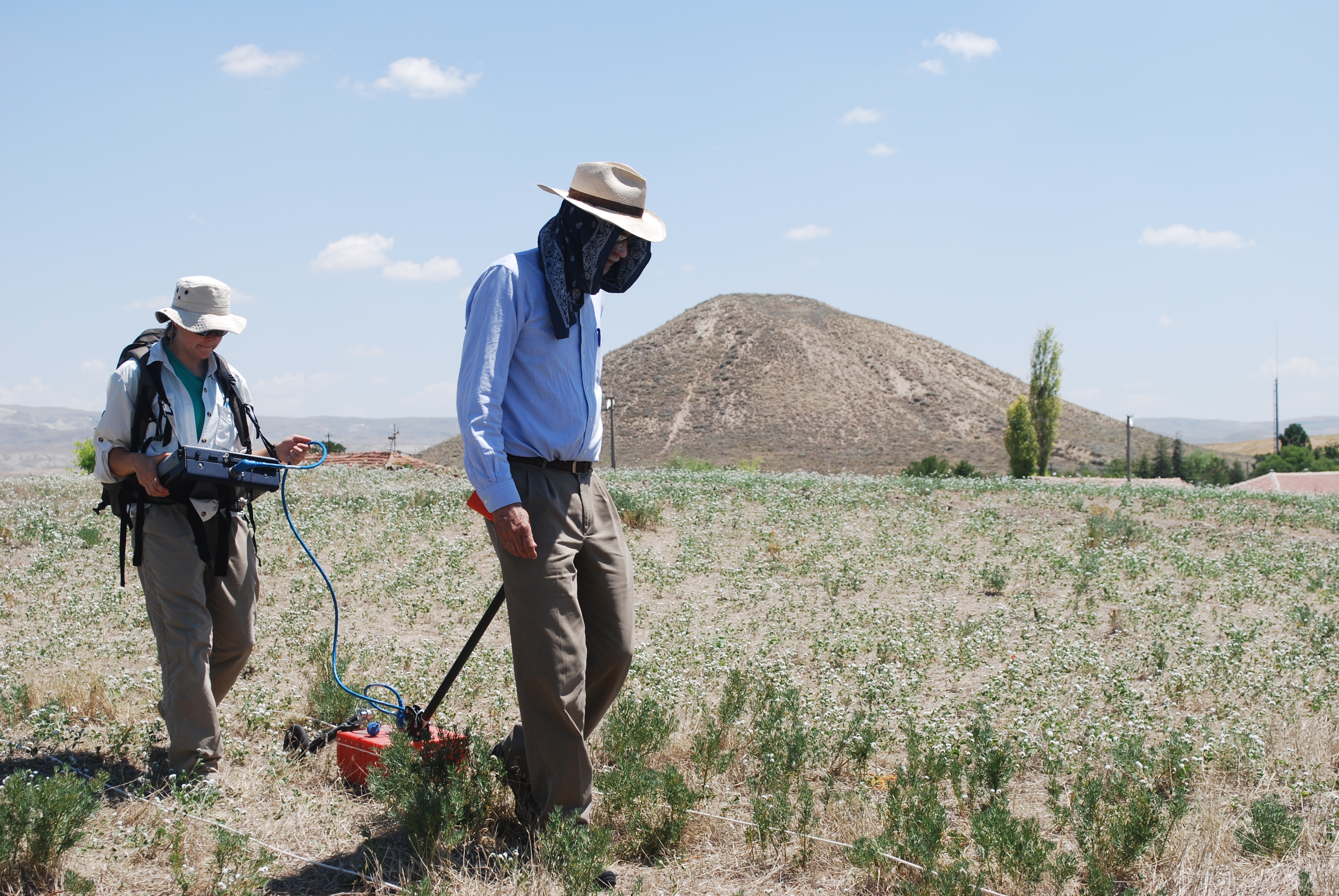
Today’s archaeologists can “dig” without breaking ground:
A major concern in archaeology has always been the potential damage caused by excavation – Indiana Jones may have trampled through ruins without a care in the world, but real-life archaeologists try their best to preserve the remnants of the past as best they can. In recent years, scientists have begun testing out quite a few different non-invasive techniques to analyze archaeological sites. Ground-penetrating radar, or GPR, allows archaeologists to see what’s underground without ever needing to dig. Back in 2002, researchers successfully used GPR in Petra, Jordan to locate underground structures and guide later excavations. People have also used the technique extensively for the Duffy’s Cut Project, which seeks to learn more about the lives of Irish immigrants who were buried in Duffy’s Cut, Pennsylvania almost 200 years ago. And recently, scientists used GPR to try to map undiscovered ruins in Pompeii – they believe the technique could be used to provide detailed maps of the subsurface ruins, which will probably never be excavated.
(Photo: Earth scientist Compton Tucker and radar specialist Jennie Sturm use GPR during an archeological expedition in central Turkey. By NASA/Joe Nigro)
 The Dish