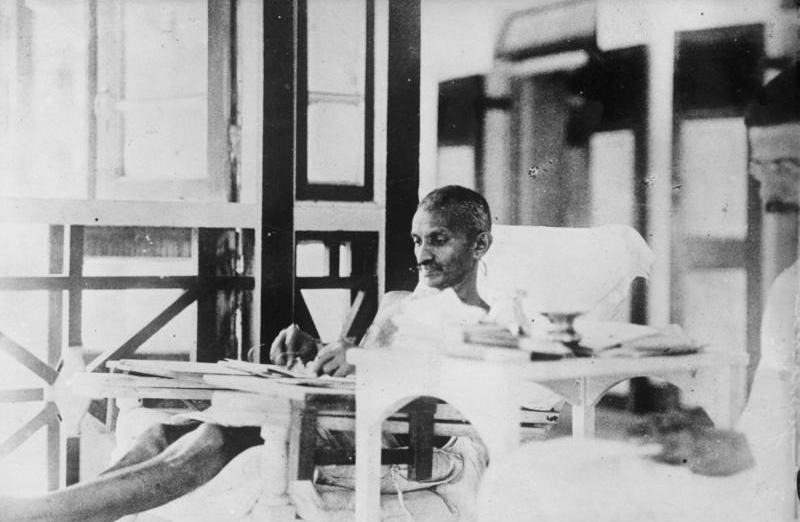
Richard Morris attests to the difficultly of crafting it:
I once sat in a room of about 20 people, where we were invited to write a memorable line to adorn the platform at conference. Entirely predictably, this process was an unmitigated disaster. After an hour of coming up with any number of lines that randomly sorted words like New, Better, Fair, Green, Future, Britain, Fresh, Together and Change into a new order, we all agreed that perhaps it would be better if we got one person to write one memorable line with a single pertinent thought. We then, ahem, “discussed” for another hour who should write it.
He zooms out – and offers some advice:
[W]e’ve all become fixated with “the one great line”. And it’s all Barack Obama’s fault, with “Change we can believe in”. In reality, not even this line stood alone. Other lines dominated the campaign, like “Yes, we can” and the Fairey Posters “Hope” and “Change“. But since 2008, it’s become a “mandatory” – and an obsession – to write a great campaign line. And it takes up an inordinate amount of headspace.
So can I make a suggestion to all the parties. If you want a great line, get a single person to write it. Then get a single person to approve it. Then spend two years and a lot of money saying it over and over again. And get someone to say it with affection, with emotion and with conviction. It’s the only way.

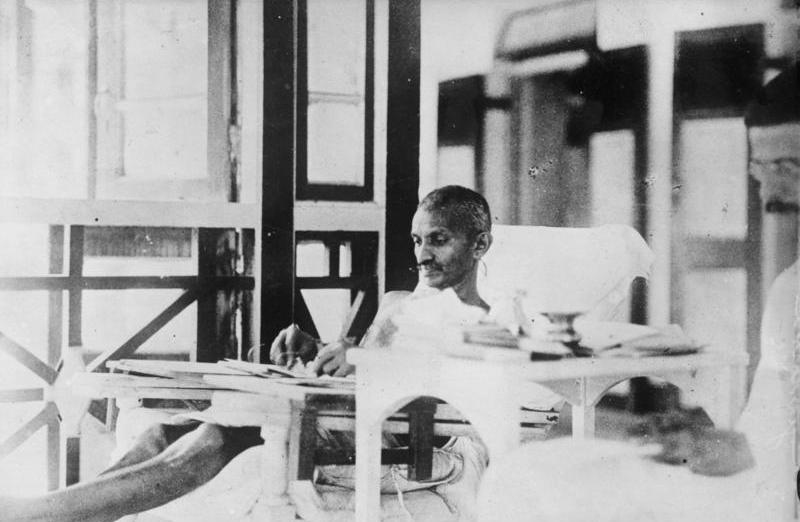
 had received his medical degree in 1858 after writing a thesis on melancholy which was not scientific at all but literary. He found melancholia throughout history, from Diogenes in Athens, to Seneca in Rome, to the present day. “One might almost say,” Gachet wrote, “that all the great men, the philosophers, the tyrants, the great conspirators, the great criminals, the great poets, the great artists, were essentially melancholic beings.” In fact he saw melancholia extending throughout nature. There were melancholy animals, melancholy plants, and even melancholy rocks. “Who,” he asked, “has knelt beside a tomb and not seen in the cypress,
the weeping willow, the poplar the emblem of sadness!” He went on in this vein for a while in his thesis before blaming melancholy in the present day on civilization and progress that broke the laws of nature, a theory with which Vincent would concur.
had received his medical degree in 1858 after writing a thesis on melancholy which was not scientific at all but literary. He found melancholia throughout history, from Diogenes in Athens, to Seneca in Rome, to the present day. “One might almost say,” Gachet wrote, “that all the great men, the philosophers, the tyrants, the great conspirators, the great criminals, the great poets, the great artists, were essentially melancholic beings.” In fact he saw melancholia extending throughout nature. There were melancholy animals, melancholy plants, and even melancholy rocks. “Who,” he asked, “has knelt beside a tomb and not seen in the cypress,
the weeping willow, the poplar the emblem of sadness!” He went on in this vein for a while in his thesis before blaming melancholy in the present day on civilization and progress that broke the laws of nature, a theory with which Vincent would concur.
 The Dish