Humans aren’t the only ones putting on weight:
The National Pet Obesity Survey recently reported that more than 50 percent of cats and dogs –that’s more than
80 million pets – are overweight or obese. Pets have gotten so plump that there’s now a National Pet Obesity Awareness Day. (It was Wednesday.) Lap dogs and comatose cats aren’t alone in the fat animal kingdom. Animals in strictly controlled research laboratories that have enforced the same diet and lifestyle for decades are also ballooning.
In 2010, an international team of scientists published findings that two dozen animal populations—all cared for by or living near humans – had been rapidly fattening in recent decades. “Canaries in the Coal Mine,” they titled the paper, and the “canaries” most closely genetically related to humans – chimps – showed the most troubling trend. Between 1985 and 2005, the male and female chimps studied experienced 33.2 and 37.2 percent weight gains, respectively. Their odds of obesity increased more than 10-fold.
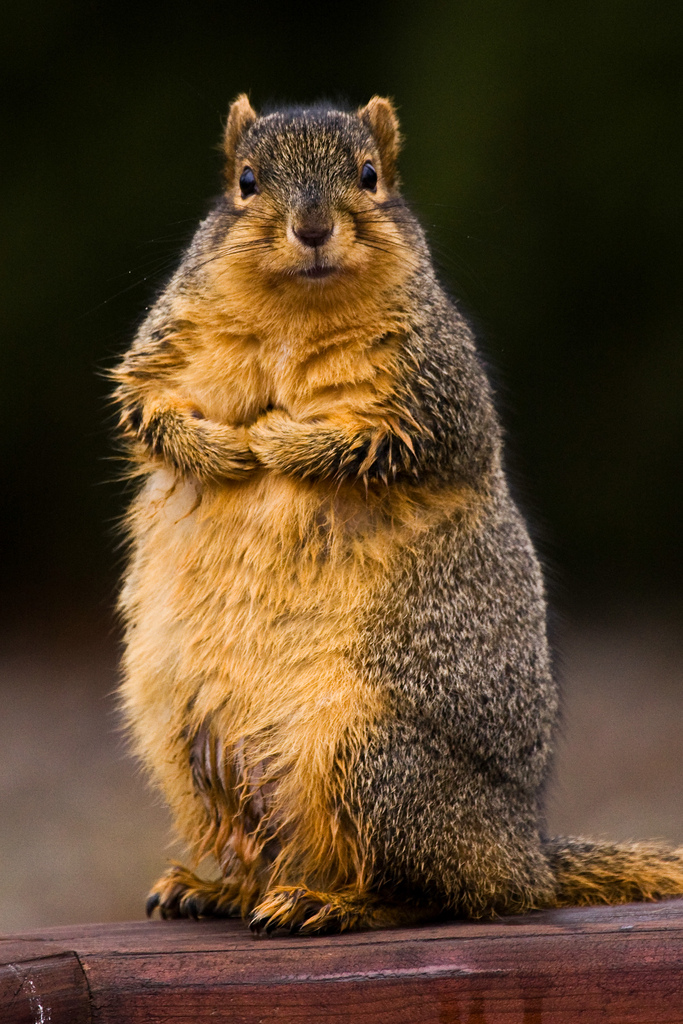
Even wild animals are growing fatter, leading researchers to investigate new causes of obesity:
The potential causes of animal obesity are legion: ranging from increased rates of certain infections to stress from captivity. Antibiotics might increase obesity by killing off beneficial bacteria. … But feral rats studied around Baltimore have gotten fatter, and they don’t suffer the stress of captivity, nor have they received antibiotics. Increasingly, scientists are turning their attention toward factors that humans and the wild and captive animals that live around them have in common: air, soil, and water, and the hormone-altering chemicals that pollute them.
(Photo from James Marvin Phelps)
 The Dish