 |
 |
As Emily Badger notes, magazines have been ranking places to live for more than 80 years:
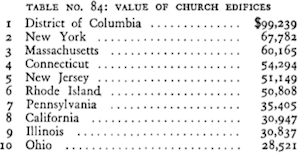
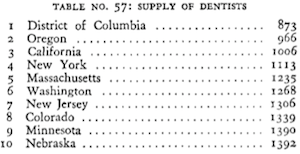
[C]onsider a three-part series by H.L. Mencken that ran in The American Mercury in 1931: It was succinctly headlined, “THE WORST AMERICAN STATE.” In the impressive tome, which covered some 47 pages across three issues of the magazine, Mencken and Charles Angoff methodically ranked the states (at the time, there were only 48 plus the District of Columbia) on everything from farm electrification to literacy rates to the salaries of teachers to the number of natives in Who’s Who in America. (*Blush*: They also included the local circulation per thousand people of The Atlantic Monthly).
Matt Carmichael, editor of the website Livability.com, dug up this gem (“on microfiche!”) while working on a much more modern ranking of America’s 100 best small and mid-sized cities to live in, which he’s published today. … Mencken’s list, Carmichael notes, included some metrics we would never measure today, like the prevalence of lynchings (surprise leader: Wyoming) or death rates from typhoid fever (sorry again, Mississippi).
In preparing his own ranking, Carmichael became interested in how ideas about quality of life evolve, and not just with respect to rising living standards. “What would you have measured if you were doing a ‘best places to live’ list in 1965?” he asks. “Would it have been mall density? Or cul-de-sacs per capita?”
 The Dish