Beard Of The Week

Super Rugby Rd 10 - Lions v Brumbies

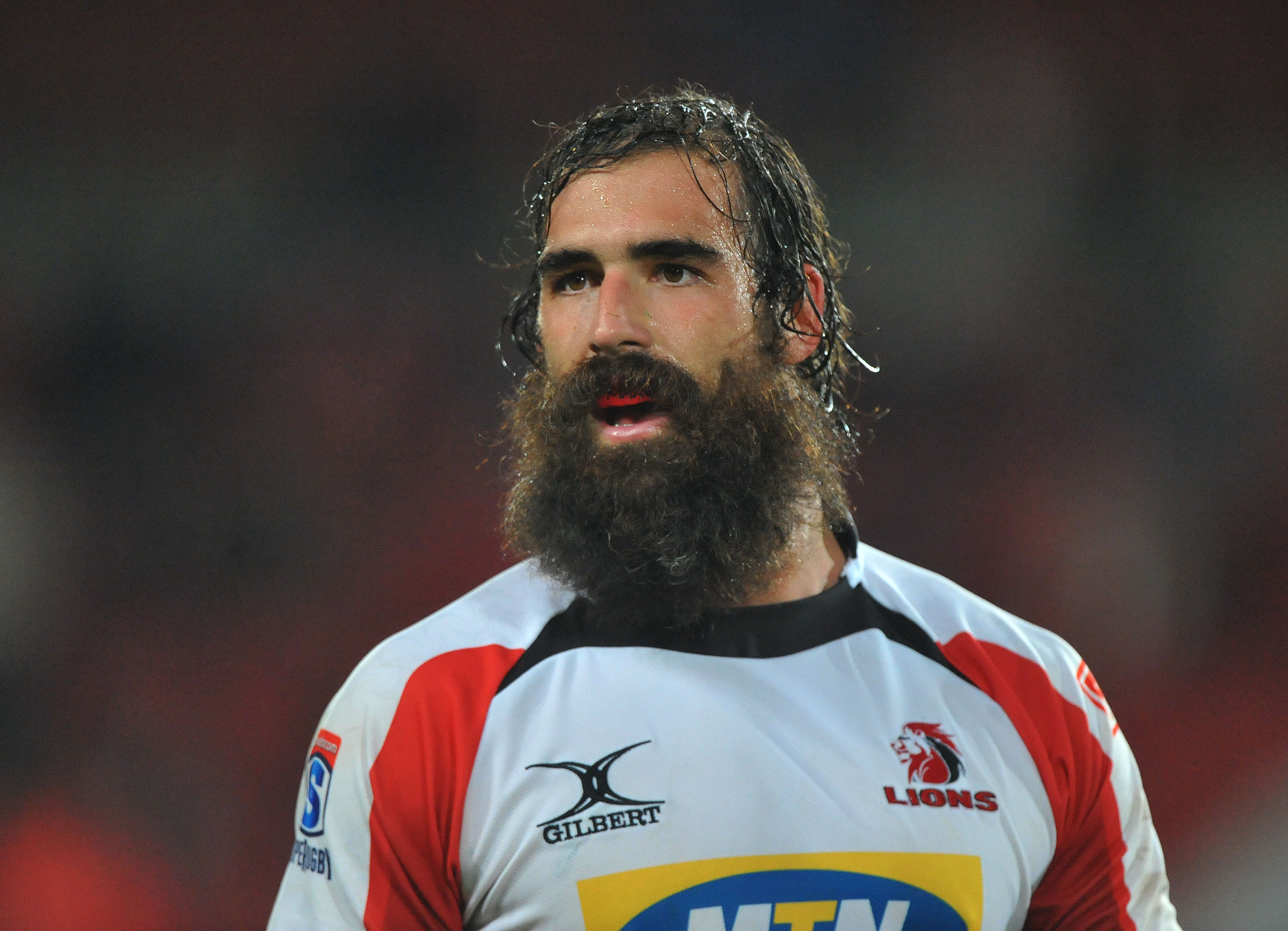
I leave it to the Guardian’s round-up of great sports beards to describe it:

Being lost for the appropriate words with which to describe the beard worn by the South African back row Josh Strauss, who has now completed the necessary quarantine period and installed his magnificent specimen in a suitably airy, light and fecund greenhouse somewhere in Glasgow, I’m reduced to wondering exactly which Confederate Civil War general he resembles most. Maybe James Longstreet crossbred with Stonewall Jackson? If nothing else, it’s an image.

(Photo: Josh Strauss of the Lions during the 2012 Super Rugby match between MTN Lions and Brumbies at Coca Cola Park on April 27, 2012 in Johannesburg, South Africa. By Duif du Toit/Gallo Images/Getty Images.)

“Excruciatingly Embarrassing”

That’s how Robert Gibbs describes the disastrous Obamacare rollout:

Ezra is equally blunt:

We’re now negative 14 days until the Affordable Care Act and most people still can’t purchase insurance. The magnitude of this failure is stunning. Yes, the federal health-care law is a complicated project, government IT rules are a mess, and the scrutiny has been overwhelming. But the Obama administration knew all that going in. They should’ve been able to build an online portal that works.

To my mind, it’s by far the biggest error Obama has made since taking office. To bungle the rollout of his core domestic initiative is unforgivable. To have known about it long before and kept quiet is inexcusable. To offer no real explanation or to take any serious responsibility is governmental malpractice. At some point, the president has to reassert control and explain what has gone so horribly wrong and chart a course for correction. Those responsible must be fired. McArdle thinks the government took far too long to begin building the website:

I’m a longtime critic of federal contracting rules, which prevent some corruption at ruinous expense in money, quality and speed. But federal contracting rules are not what made the administration delay writing the rules and specifications necessary to build the system until 2013. Nor to delay the deadline for states to declare whether they’d be building an exchange, in the desperate hope that a few more governors might decide — in February 2013! — to build a state system after all. Any state that decided to start such a project at that late date would have had little hope of building anything that worked, but presumably angry voters would be calling the governor instead of HHS.

Suderman examines the enrollment window:

Obama administration officials are downplaying problems, and framing current troubles as a rocky start that won’t necessarily doom a six-month enrollment project. Open enrollment, they note, doesn’t actually end until March 31 of 2014.

But in order for Obamacare to have any chance of success, the exchanges will need to be functional long before then. In order for coverage to start on January 1, individuals will have to complete applications by December 15. And in order to avoid the law’s penalty for remaining uninsured, they’ll have to be enrolled by February 15 of next year—not the end of March.

In other words, the administration doesn’t really have six months to fix problems with the exchanges. Political pressure will build well before the end of March.

Previous Dish on the disastrous web-launch here.

The House’s New Demands

The latest from the star reporter of the shutdown:

Allahpundit translates:

In other words, the House bill as modified will be even less palatable to the Senate. All both sides are doing now is killing time when there’s not much time left.

Beutler adds:

Harry Reid called the House GOP position “a blatant attack on bipartisanship” and vowed that it “won’t pass the Senate.” Boehner is already reacting, scrounging for more GOP votes by promising to stick it to Congressional staff. National Review’s Robert Costa reports that Boehner is reversing his position that aides should be held harmless in this fight, and will agree to nix the federal government’s contribution to their health insurance as well. It could move further right still. And as before it may not pass anyhow.

Tim Murphy reports that the House GOP is considering other additions:

[S]everal Republican legislators said there was another provision they wanted included in the legislation: a so-called “conscience clause” that would exempt employers from having to provide coverage for birth control as part of the health care plans they offer employees. This idea has been on the Republican wish list for years—Obamacare already has this sort of exemption for churches, mosques, and other places of worship—and with Washington in full-on crisis mode, GOPers are looking to exploit current circumstances to win this long-running fight.

Kilgore says a “conscience clause” won’t fly:

That’s a big deal-breaker with Democrats in both chambers and in the White House. If conservatives get behind that demand, it’s another way of saying Boehner doesn’t have the votes for his proposal, and will have to rely on Democratic votes for passage. And if that’s the case, he might as well just go along with the Senate proposal, which would shorten the end-game by several crucial days.

And Chait explains why the House Republican leadership is committed to these petty demands:

 The only point of the demands is to maintain the precedent that the House can hold the debt ceiling hostage. But of course the chaos and frenetic timing of the events serve only to show why it is so crucial that Democrats — or any sane American — not allow this precedent to be enshrined. The white-knuckle terror being inflicted on the world economy is the conservative movement’s vision of how divided government should be conducted from now on. Paying even a tiny ransom now means that debt-ceiling ransoms will continue in perpetuity until one party finally miscalculates and the explosives go off.

A Tea Party Party?

A couple weeks back, Matt Steinglass imagined the Tea Party as a third-party:

I think tea-party Republicans would have a better shot at launching a sustainable third party than we’ve seen in America in a long time. Not that it would be a particularly good shot; the segregationist Dixiecrats had a similar combination of congressional power, loyal voter blocs and a unifying ideology when they tried to set up the States’ Rights Democratic Party in 1948, and it didn’t last past that one election. Still, for anyone who does want to see American politics shaken up through the entrance of a third party, it’s worth thinking about the congressional-revolt strategy in combination with the bottom-up one.

Yesterday, David Frum entertained a split between the GOP and the Tea Party:

Right now, tea party extremism contaminates the whole Republican brand. It’s a very interesting question whether a tea party bolt from the GOP might not just liberate the party to slide back to the political center — and liberate Republicans from identification with the Sarah Palins and the Ted Cruzes who have done so much harm to their hopes over the past three election cycles.

Nate Cohn dashes David’s hopes:

According to a July Pew Research survey, Tea Party Republicans make up nearly half (49 percent) of the Republican primary electorate and fully 37 percent of Republicans and Republican-leaners.

So long as Democrats remain modestly unified, it is not conceivable that Republicans could compensate for the loss of anything near 37 percent of Republicans and Republican-leaners with gains among moderates and independents. Once a Republican realized there aren’t enough opportunities to win without the tea party, the centrist fantasy would come to an end. Republicans would immediately tack back to their right, in an effort to consolidate the Republican coalition.

Larison likewise dismisses Frum’s dream:

Even if [the GOP] lost just 10% of its current level of support, it would be doomed to near-permanent minority status. It’s true that Republicans nominated some weak candidates in 2010 and 2012 and lost races that could have been won, but the harm done to the Republican “brand” predated those elections by many years and had nothing to do with the Palins and Cruzes. Republicans in 2008 were doomed by the Iraq war, the financial crisis, the extraordinary unpopularity of Bush, and a bad nominee of such poor judgment that he thought Palin was an acceptable running mate. For all the mistakes that Tea Partiers have made in the last few years, they weren’t the ones that drove the party into the ditch.

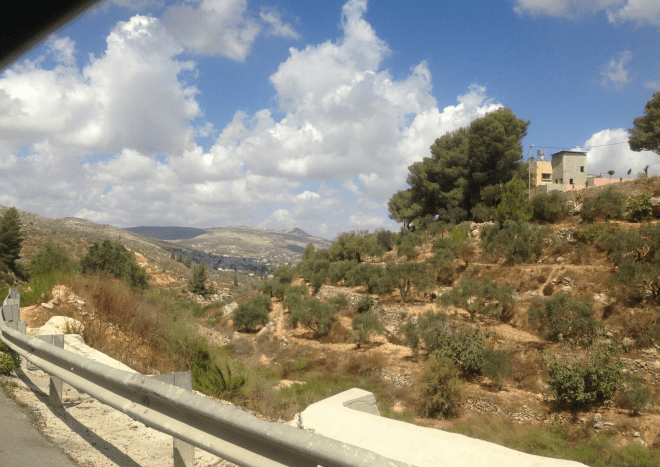
The View From Your Window Contest: Winner #175

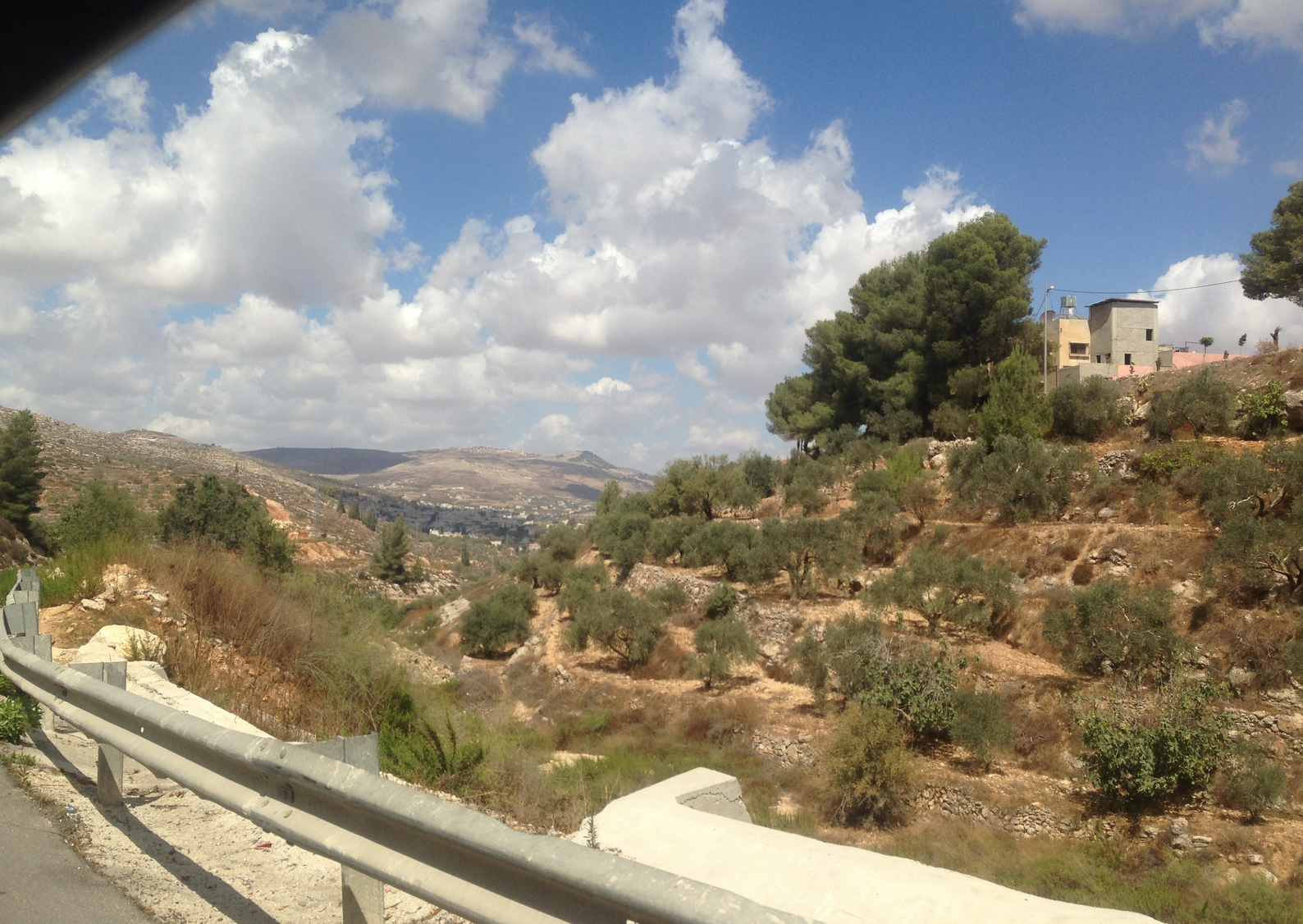
vfyw_10-12

A reader writes:

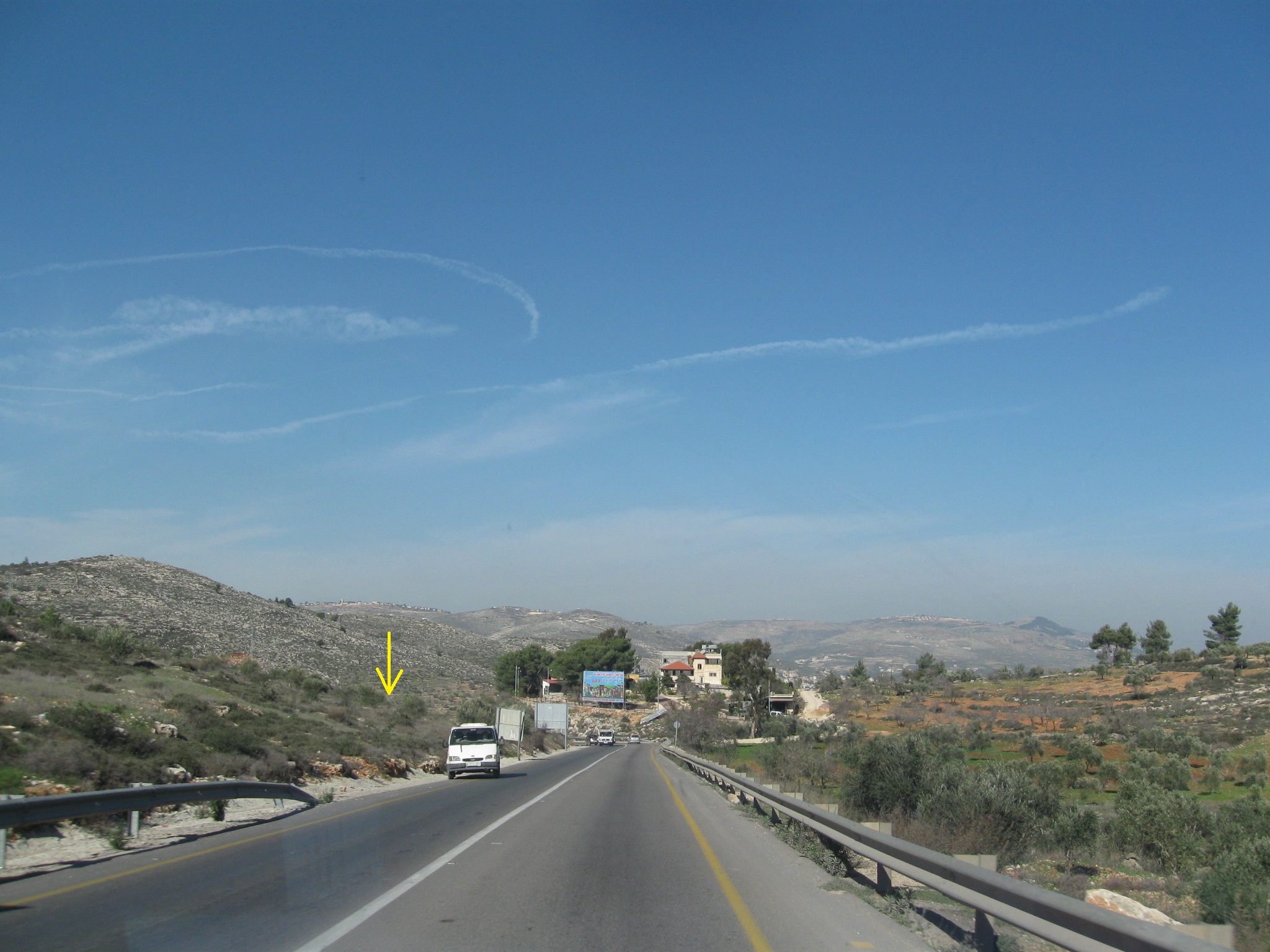
Mediterranean I suppose, and I’m going to lay a marker down that those are terraced almond trees cut into the hillside. That peak in the background is probably some famous hill and the reason the pic was taken. But wait a minute – I call Shenanigans! This is the View from your Window Contest, and the goal has always ultimately been to find the window. But this week’s view is clearly shot from a vehicle pulled over to the side of the road. The barricade gives it away, as does the sloped angle of the shotgun window.

Finding good photos for the contest – interesting locations that are not too easy but not too challening – is much more difficult than you would imagine, so we have to bend the usual parameters for the contest sometimes. Another reader:

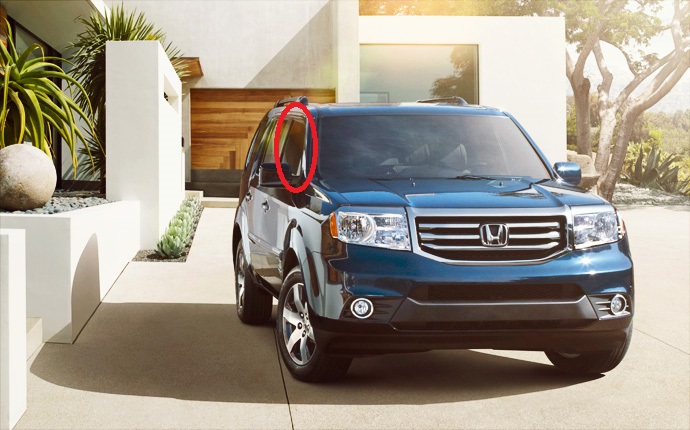
This one is quite problematic. The terrain and the fortified structure on the hill suggest Israel. The window, however, seems to be an automobile window, so its location is up for debate. My guess, the passenger window of a 2012 Honda Pilot, blue:

honda

Another:

Route 66, 12 miles west of Kingmam, Arizona, shot from a 2010 Toyota Camry SE with leather trim and the six-speaker Infinity sound system, but no sunroof.

Another:

This is a view out into the Arizona high country from Paolo Soleri’s “urban laboratory,” Arcosanti. The poured cement, with a very un-laboratory-like railing, and the view into the valley just look very familiar from my visits there. Arcosanti is a mind-trip: Soleri imagined that thousands would flock to what we would now call a low-impact commune and re-imagine what a city would be. No one showed up, and now 65 or so people live there. The place supports itself by the very capitalist project of selling bronze bells.

Another:

Not much to go on other than flora and landscape!  With all the talk about Breaking Bad, I was tempted to go for the Southwestern US – that hilltop compound would be an ideal meth-lord stronghold. But, I seemed to recall from geography that Southern Italy was once well known for terraced farming, which those giant “steps” in the hillside look like.  And a Google search told me that the Ragusa region is also well known for the limestone walls the farmers built after excavating the land.

Another:

My first impression is Andalucia, Spain, based on it looking dry, with olive trees and pine trees, and scrub brush, and pastel buildings in square shapes that remind me of Moorish architecture. But mostly because there was a British TV show on PBS last night called Rosemary and Thyme, about two female gardeners who solve murders, and the episode was set in Andalucia and it looked just like this photo.

Another:

It could be anywhere in Spain (or, for that matter, half a dozen other Mediterranean countries), so I’ll hedge my bets and put the marker rather centric – the mounts of Toledo, Spain. To pointlessly narrow it down, let’s say road CM-403 south of Las Ventas con Peña Aguilera, Spain (my grandfather’s birthplace).

Another:

Somewhere in northern Jordan? Or perhaps it’s the site of the fictional “Deressa” from the French-Canadian film Incendies.

Another:

I got this!

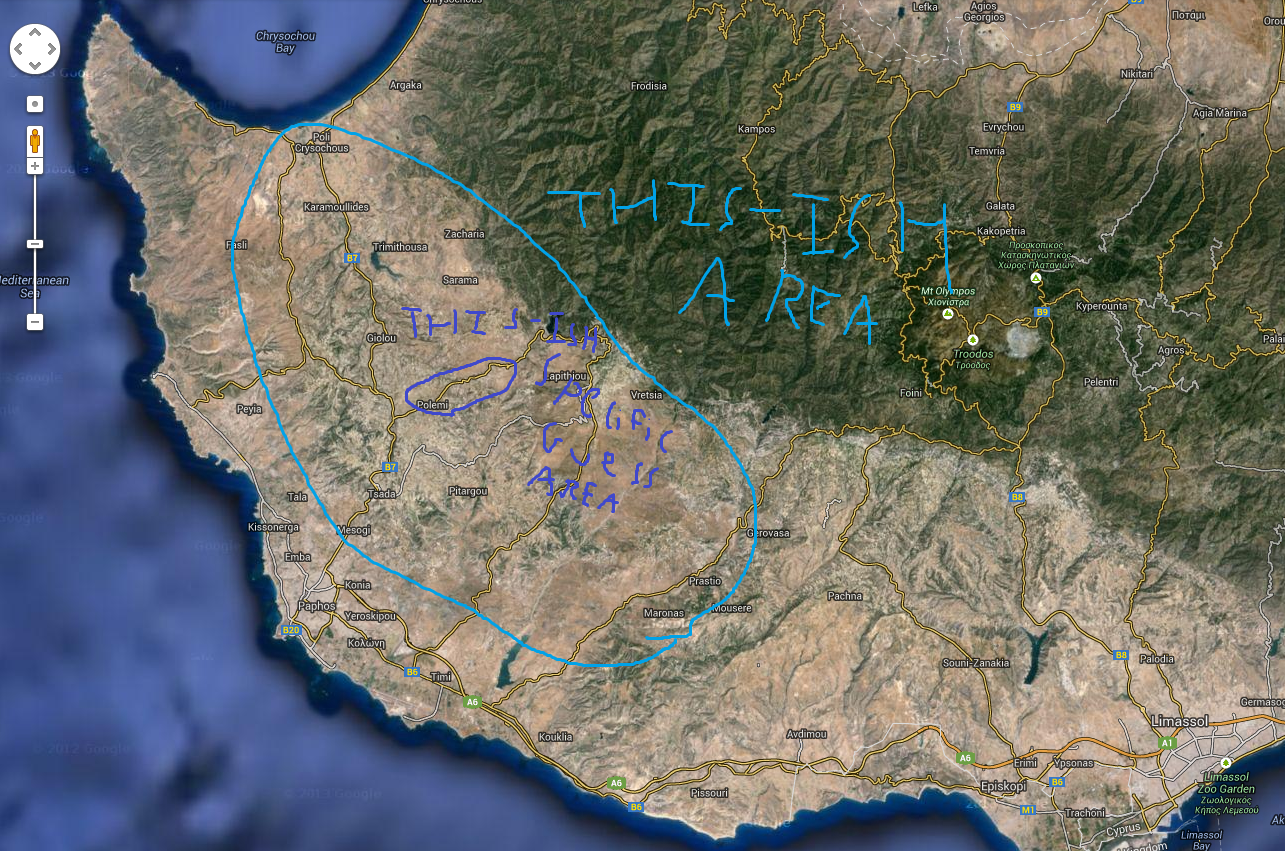
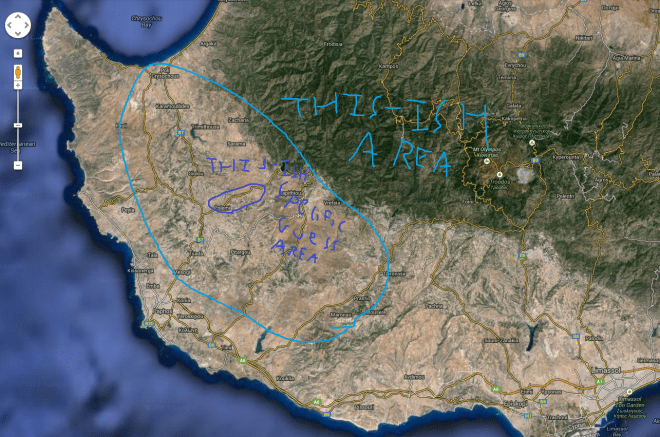
I probably don’t really have this at all. I suck at this contest. But this looks to me a heck of a lot like the island of Cyprus where I had, a couple years ago, the best vacation of my life. Just a wonderful place, that island. But I remember this is how it looks in the winter out in the countryside – out in the patch of sort of rolling mountains between the resort city of Paphos on the western coast heading up towards the lesser resort city of Polis on the north coast. You can rent out little houses in villages out there, most of the time way cheaper than you could get a hotel room in the city. Really a cool experience, seeing the villagers wake up in the morning, go out hunting, go to church, go shout at each other in the street because they’re still hung over from the night before. God help you though if you get lost.

But anyway, the scrubby, Mediterranean trees look right to me. So does the way the hills are terraced for little fruit groves. The road switch backs look right because the roads there are so windy you can barely go more than twenty miles an hour. Even the way the valley sprawls out with the villages clinging to the tops of hills. Even the beige color of that building on the right and its pink wall and its water tank on the roof. All says Cyprus to me. All makes me want to go back.
Cyprus daily dish map 1

Specifically what town? BAH! How should I know? They’re all pretty much the same and I need to go to the gym and this person I don’t think is even in a house! Standing on the side of some road! Window of their car! THEIR CAR! That’s not how this works!

Still, I’m going to guess though. Like stab in the dark guess. I’m going to say they’re on this switchback by this itty-bitty village called Melamiou looking back towards the more substantial village of Polemoi. Mostly I’m picking that because that’s near where I stayed when I was out there and the switchback looks right.

Another:

Looks like a rain collector on the roof of the building and the architecture seems to be familiar drab design one sees a lot in Israel. Mountainous and rocky terrain seem like the Golan region.

Another:

We’re doing car windows now? Really? This could bring it to a new level of insane.

So my instinct was Spain, but after puttering around the south for awhile, my boyfriend pointed out that the guards on the side of the road are different. I quickly jumped to the other country it reminded me of, Israel, and found that those guards fit better. That is where it ends however, because rolling dry hills describes way too much of Israel. I’m going with somewhere just outside of the south of Jerusalem, just because the north is more green and Jerusalem seems like a likely candidate for a Dish reader to visit.

Having already won once, the pressure is off and I find I’m enjoying the contest more. Best of luck to the winner!

Another:

Hilly country, terraced slope with olive trees, dry but not arid – Northern Israel or the West Bank would be my guess, not that I’ve ever been there.

West Bank it is. Another:

The terraced hills and the green-brown landscape remind me of the stretch of the West Bank between Ramallah and Nablus. That windy highway and cinderblock architecture could be on any small-to-medium Jewish settlement in the Judean Hills, so after a quick browse on Google Images I’ve settled on Givat HaRoeh. With my luck, this’ll be Tuscany.

Another settles on the right location:

I’m really annoyed that I can’t get this one exactly. I was sure I was  looking south at the mountains that slope down from Amman to the Jordan Valley and Dead Sea. But after scouring Jordanian mountains for a couple of hours I finally realized that if we are indeed in the hills above the Jordan Valley, we can’t be on the East Bank because the satellite dish on top of the house at right would be facing the wrong direction. So, assuming I’m right about this being somewhere in the Jordan Valley, we must be in the West Bank. I’m too pissed to keep looking, though, so I’ll just say Nablus because it’s plausible. Could be Syria, I guess, Turkey, Cambodia? Dunno. I’m sicking with Nablus.

Nablus it is. But the winner this week is much more detailed and has participated in more contests, thus breaking the tie:

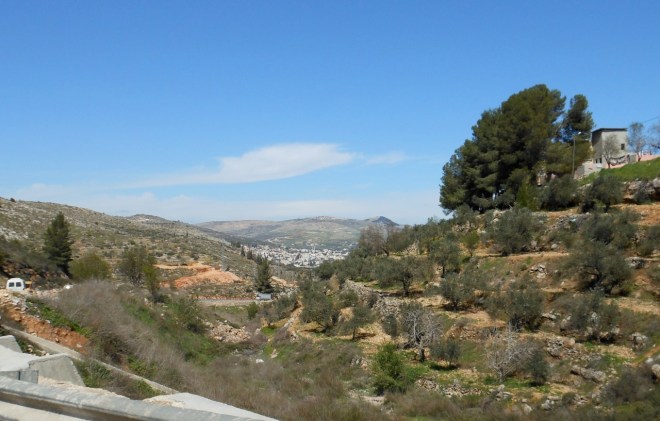
Wow! This seemed to be one of those epically hard views that you throw at us every once in a while, so I’m pretty surprised to have stumbled on the answer. Between the terrain and the olive trees, I figured this was somewhere in the Mediterranean. Wikipedia gave me the world’s top olive-producing countries and I did image searches for the first few, dismissing places like Algeria and Tunisia and thinking Greece seemed close but not quite right. I thought this could be Israel, but Israel wasn’t on Wikipedia’s list. Palestine was on there, though, so I moved in that direction. Searching “Palestine valley town” in Google Images led me to an article featuring a picture of rocky hills and shrubbery that looked pretty similar to the view in question. The article mentioned “the Salfit area of the West Bank,” so I narrowed my search and found another picture/article combo that mentioned “Salim” and “Nablus.” Even though I felt I was close, you can imagine my surprise when a search for “Nablus valley” turned up this particular shot:
road-to-nablus

Remarkably, this is NOT the image from the contest … but it’s the exact same view! The caption on this photo, which was posted on the blog of a Fellow with the Kiva organization, reads, “Road to Nablus, north of Ramallah.” I Google’d the route between those two and hoped it would be an easy trot to the precise location, but several hours inspecting the main route yielded nothing. I finally decided to try one of Google’s alternate driving routes and, within a couple minutes, I came across this GPS-marked photo, which clearly shows the same pink/grey building displayed on the right side of the contest image:

Highway 60 - South of VFYW

The VFYW image itself was taken on Highway 60, about 3/4 km up the road from the Tapuach Junction, where Highway 60 meets Highway 505. In the distance of the contest photo is the Palestinian town of Huwara (alternate spelling: Hawara). Obviously there’s no address since this was taken from the road, but the coordinates are approximately 32°7’18.55″N, 35°15’21.53″E. Here’s an overhead view which shows the bend in the road and the terraced hillside on which the olive trees are planted, as well as the view over the white buildings and that distinctive tuft of trees atop the hill in the very center of the photo:
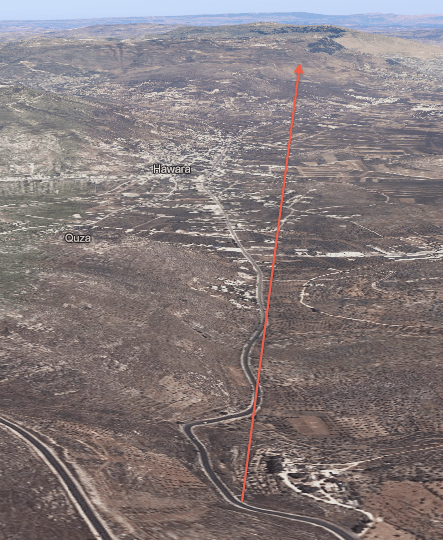
Aerial View - Hawara

Thanks, as always, for hosting this contest!

Thanks for the epic entry. Speaking of which, our grand champion nailed the right location yet again:

See, on Friday I was trying to get to Boston for a college friend’s housewarming (randomly, he’s one of the writers of League of Denial, the NFL/concussion documentary you’ve been discussing). Unfortunately, half of New York decided to book every train, plane and bus three days in advance and I didn’t make it up there. But the upside was a mostly free Saturday to work on the contest. So, off to the Holy Land I went.

And this week’s view comes from … Highway 60 near Huwara in the West Bank? I’m glad the rule against car views isn’t in effect for the contests, because this was a nice challenge. Though I’ve never been there, finding the right country was relatively easy, but tracking down the exact spot took some analysis and a bit of elbow grease. The view looks north by northeast towards the town of Huwara at center left, and the hilltop settlement of Bracha in the distance. For the die hards the exact coordinates are: 32°7’19.08″N, 35°15’21.01″E.

Here’s an image from a few hundred meters farther back on the same road with the viewer’s position marked just out of sight on the left:
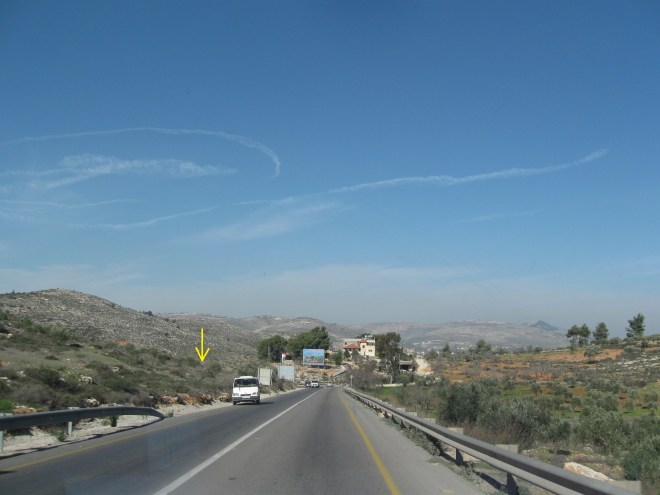
VFYW Further Up the Road Marked - Copy

(Archive)

The Sabotage Is Already Happening, Ctd

Screen Shot 2013-10-15 at 12.11.45 PM

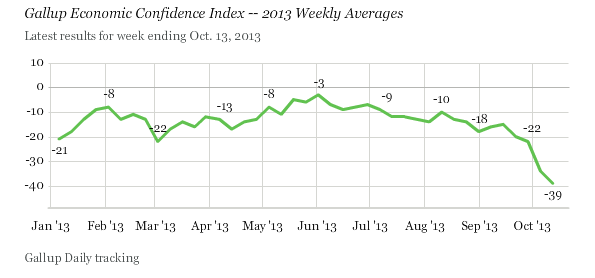
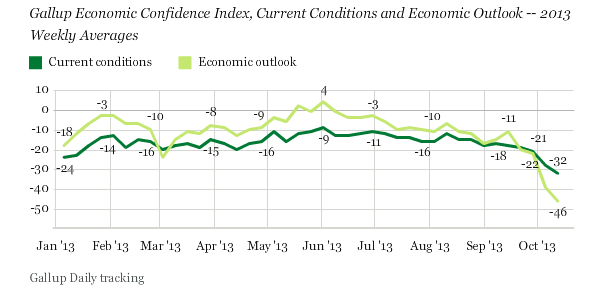
If the GOP’s plan is to continue to maximize economic pain under Obama, it’s working as it did in 2011. This graph is from Gallup. Expectations for future growth are also collapsing, with unknown but presumably dire effects on investment and employment:

Screen Shot 2013-10-15 at 12.17.10 PM

This time, unlike 2011, it’s much clearer which party is inflicting the loss of jobs, confidence and growth on the American and global economy. And this time, the Republican partisans don’t even have the cynical motivation to make Obama a “one-term president.” This time, it’s a toxic brew of spite and ideology – at the expense of countless Americans without jobs, without healthcare security and with waning hope of a stronger recovery. I cannot remember a time when a political party deliberately sabotaged the very basis of a country’s economy, deliberately prompted a recessionary surge in debt because they want to reduce the debt, and deliberately ensured that countless jobs would be destroyed, because they allegedly want to create jobs.

Politicians are dangerous enough when they’re trying just to govern. But when they make an effort to destroy the global economy, the damage they can do is incalculable.

The Speaker’s Choice Narrows

US-POLITICS-ECONOMY-BUDGET

Yesterday, Beutler predicted that Republican dead-enders in the House would oppose the Senate deal. They did. This morning, NRO’s Robert Costa predicted that “because the way the House GOP is running now, and given the internal politics, even THIS bill will have its challenges, let alone a Sen deal.” And he was right.

This morning, the GOP leadership could not get enough support from their own caucus for the alternative, tougher “compromise” they wanted. So we’re back to the Senate bill, which the House may have to reject and throw us into economic chaos or accept and step back from the brink. Beutler explains how the bill can still pass the House:

[A]s weak as his control of the House is, Boehner’s still officially the speaker — and as long as he’s officially the speaker, he controls the floor. The logical leap (really, the assumption) everyone’s making is that Boehner will put the Senate plan on the floor before midnight, rather than kowtow to the dead-enders to preserve his speakership. There are almost certainly 217-plus votes in the House for any deal that comes out of the Senate, which means we’ll only crash through the debt limit deadline if Boehner chooses to let the country default the same way he chose to shut down the government.

Ezra sees the logic of the Senate deal:

The timing of all this is designed to create a fight about sequestration.

The Jan. 15 deadline means funding for the federal government runs out at the exact moment sequestration’s deeper cuts kick in. The Dec. 13 deadline means that the full House and Senate would have time to consider any package of recommendations the bicameral committee comes up with, if the committee actually manages to come up with anything.

The deal isn’t official yet. It hasn’t passed the Senate yet. And it certainly hasn’t passed the House yet. But if it does clear those hurdles — and, again, that’s a big if — it’ll mean Republicans and Democrats have agreed to take what began as a fight over the Affordable Care Act and make it into a fight over sequestration.

If the Senate bill passes, Drum wonders whether we will get a “rerun of the whole mess next year”:

The evidence this time around has been pretty resounding that the public isn’t on the GOP’s side in this fight, and that might convince lot of Republican fence-sitters to nip things in the bud if the tea partiers try to start another hopeless war in February. Right now, public irritation with the budget fight probably hasn’t had any real effect on next year’s midterm elections, but if Republicans do it again and again, it might.

Which depends on the fallout within the GOP. Can they begin to rein in their nutters? Or are they all too afraid of them?

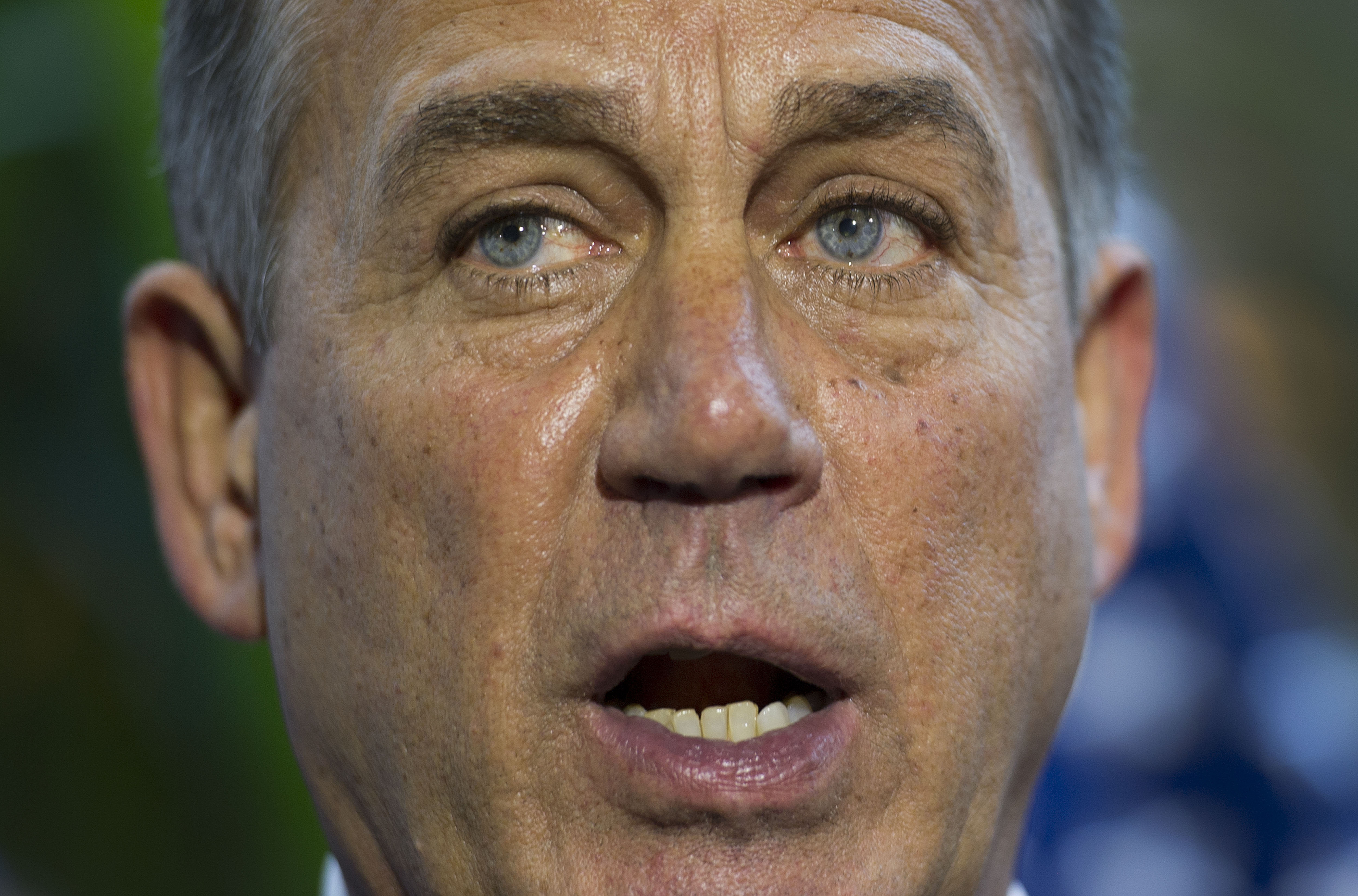
(Photo: Speaker of the House John Boehner, R-Ohio, speaks after a House Republican meeting on Capitol Hill in Washington, DC, October 15, 2013. By Jim Watson/AFP/Getty Images.)

Today In Beard History

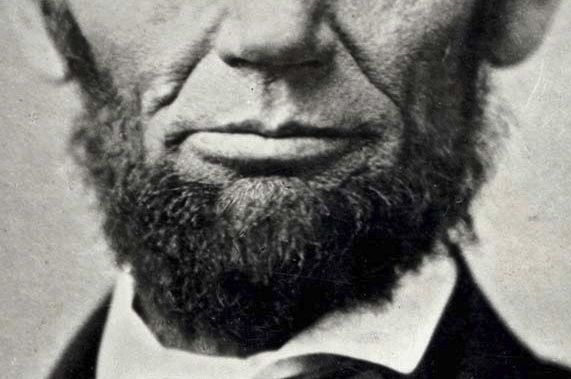
Abraham_Lincoln_November_1863

A reader writes:

Greetings from the Land of Lincoln. Thought you might like to know that today is the anniversary of young Grace Bedell writing a letter to presidential candidate Abraham Lincoln and suggesting he grow a beard because “you would look a great deal better for your face is so thin. All the ladies like whiskers and they would tease their husbands to vote for you and then you would be President.”

Happy beardday, Mr President!