Ann Friedman reflects on the sudden death of actor Paul Walker:
Experts say that we mourn celebrities the way we mourn family members because we’ve grown up with these people. They are in our homes and part of our conversations. “When a celebrity passes, the loss is personal — not because we knew the celebrity, but because they were with us as we grew up and as we had our own special moments,” Dr. Alan Hilfer, director of psychology at Maimonides Medical Center in New York City, told U.S. News & World Report. In other words, they’re in emotional proximity to us even if we’ve never met them.
The celebrity objects of our teenage affection were safe vessels for sexual desire at a time when most boys walking the halls of our high schools didn’t quite live up to our ideals. Our celebrity crushes’ movies or music or TV shows are always available to us, so our relationships seemed ever-deepening. We’d have recognized his nose-crinkly smile anywhere; we knew the sound of his voice so well that we could replay it in our minds when we zoned out in class. On some level, the feelings were real. And even after abandoning this sort of obsessive fantasy for more complicated relationships with real humans, some deep-down part of us is still in love with the ideal.
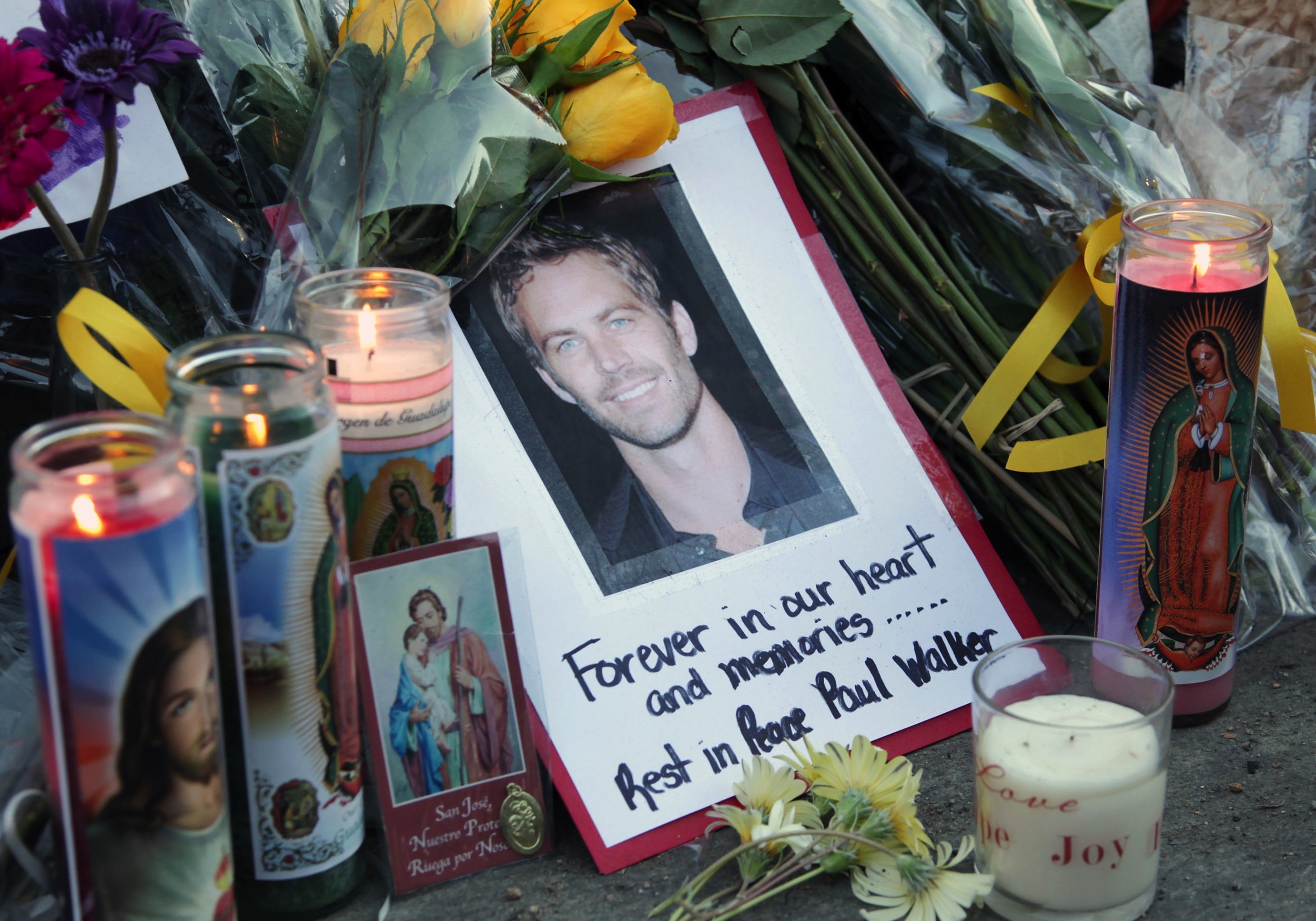
(Photo: Fans pay tribute to actor Paul Walker at the site of his fatal car accident on December 1, 2013 in Valencia, California. Walker died on November 30, 2013 at age 40. By David Buchan/Getty Images)
 The Dish