They’re making a comeback:
“It’s so sad,” says Peter Hotez of Baylor College of Medicine, who founded the US’s first dedicated school of tropical medicine in 2011. He estimates that Chagas [disease], worms and other diseases typically associated with the developing world could afflict some 14 million impoverished people in the US. “They are called neglected tropical diseases,” says Hotez. “But in reality, this is about poverty, not climate.”
Worryingly, both situations are getting worse.
In 2008, Hotez made initial calculations of the number of cases in the US for several NTDs, most of which still stand as the best estimates available. Updated work on two parasites, however – Trichomonas vaginalis and Toxoplasma gondii – shows that many more people have the infections than was thought five years ago.
Much is specific to minority communities: 29 per cent of black American women carry T. vaginalis, versus 38 per cent of women in Nigeria. In the US, black women are 10 times as likely as white or Hispanic women to have the parasite, which increases the heterosexual spread of HIV and boosts the risk of a low-birthweight baby. Highly sensitive diagnostic tests were recently developed, and trichomoniasis can be cured with one oral dose of a common drug, metronidazole. But the startling prevalence of the disease suggests neither test nor treatment is routinely used.
Meanwhile, about 8 million people have Chagas disease worldwide, mostly very poor people across Latin America. In the US it mainly affects Hispanic communities. “Kissing bugs” that live in cracks in poor housing pass it to people by defecating while sucking their blood.
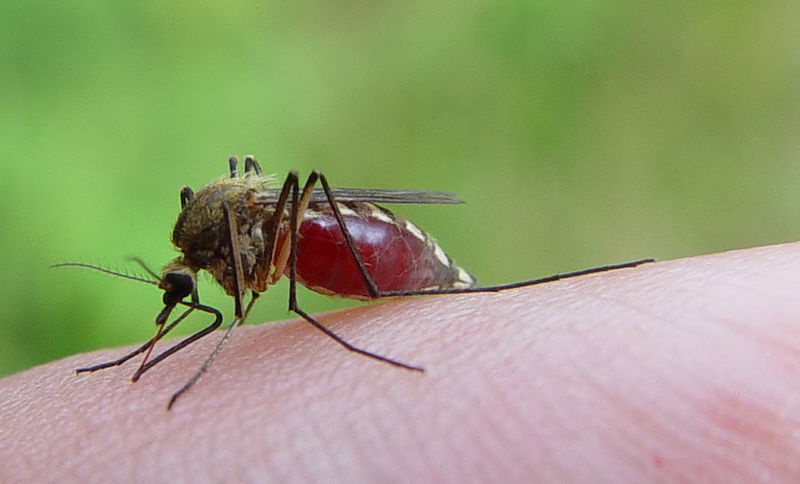
(Photo: An Aedes aegypti mosquito – the sort that caused Dengue fever outbreaks in Florida and Texas this summer – bites a human. By Matti Parkkonen.)
 The Dish
