Lara Bazelon discusses the problem of false eyewitness testimony, which puts more innocent people in prison than you might think:
[A]ccording to Brandon Garrett, a law professor at the University of Virginia and the author of Convicting the Innocent, eyewitness misidentifications have played a leading role in nearly 75 percent of 250 convictions overturned by DNA evidence between 1989 and 2010. In more than one-half of those exonerations, the eyewitnesses start off unsure, a “glaring sign” of potential trouble as Garrett puts it, yet appear to become increasingly certain over time. This often corresponds with police practices like suggestive photo arrays, lineups, and even well-intentioned comments like “Good job!” after a witness makes an identification, however tentative. All of this can cause “contamination” of memory, Garrett says so that “there is no way to know after the fact whether the eyewitness could have actually picked the person with any degree of confidence.” …
[C]ourts, prosecutors, and juries routinely take eyewitness testimony at face value. Garrett describes as “toothless” the standard the Supreme Court set in 1977 for admitting eyewitness identifications as evidence: “Even in cases with eyewitnesses who were drunk, half blind, observing someone at night, from a distance, it is almost impossible to find examples where appellate judges say it was error” to allow jurors to hear their testimony, he says.
Update from several readers:
In her article, Bazelon identifies what is a serious flaw in the criminal justice system in the US, but she is pointing to what is only one part (eyewitness testimony) of the larger problem that is police and prosecutorial misconduct.
We all saw how police and the local District Attorney in Sanford “investigated” the killing of Trayvon Martin as a justifiable homicide, allowed Zimmerman to wash evidence from his hands, etc. So it was not surprising (though a sickening miscarriage of justice) that the murderer walked free. Eyewitness testimony in that case also was conflicted and unreliable, but for different reasons. But in the end, Kash Register, the wrongly convicted innocent man in Bazelon’s story, was exonerated by, wait for it …. eyewitness testimony that was ignored and not followed up on by the police and prosecutors.
Another:
This was one of my favorite episodes of This American Life. It directly relates to a reader update on police malpractice. In the case of this episode, it was accidental.
The first act is about a cop who was absolutely convinced that a woman committed a crime, and then after revisiting the case years down the road discovered it was his fault that she confessed. He now gives presentations to police departments to educate cops not make the same mistakes he did.
The second act is about a guy who everyone in town believed (and some still believe despite another man being convicted of the crime) he was guilty, but he never allowed the cops to interview him.
Another:
In response to your post, I thought y’all might enjoy Dr. Elizabeth Loftus’ plenary talk from the Psychonomic Society’s 2013 annual meeting on memory and false memory. She is one of the, if not THE, pioneers in this area of research. Her talk was really great – she covered faulty eyewitness testimony, did a small example of studies of this nature with the audience, and talked about her more recent research on testimony from a period of great stress. She worked with SERE participants and their doctor and it’s fascinating. Here’s the link to the whole video. It shows her presentation side by side. For the mini study example, see around 27:10. For the SERE discussion, see around 37:30. For her discussion on doctoring political memories, see around 48:30. Finally, she talks about implanting false memory, and it’s terrifying (around 53:30). She poses the question of whether this type of research is leading is in an ethical direction.
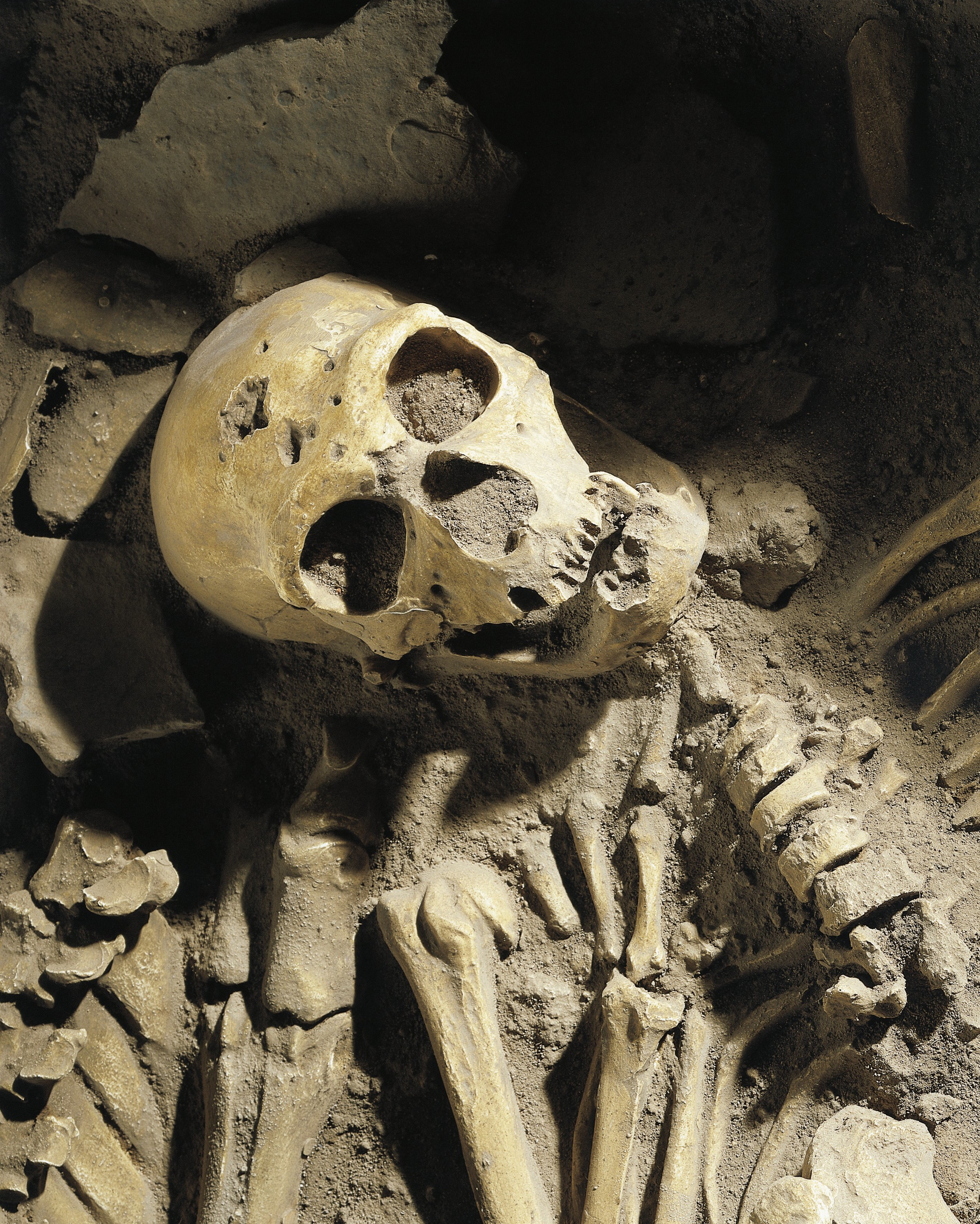
skeleton in the cave, and almost immediately they speculated that the remains were intentionally buried. But a lack of information about the excavation procedures used by the Bouyssonie brothers – as well as the fact that they were Catholic priests – caused many skeptics to wonder if the discovery had been misinterpreted.


 The Dish