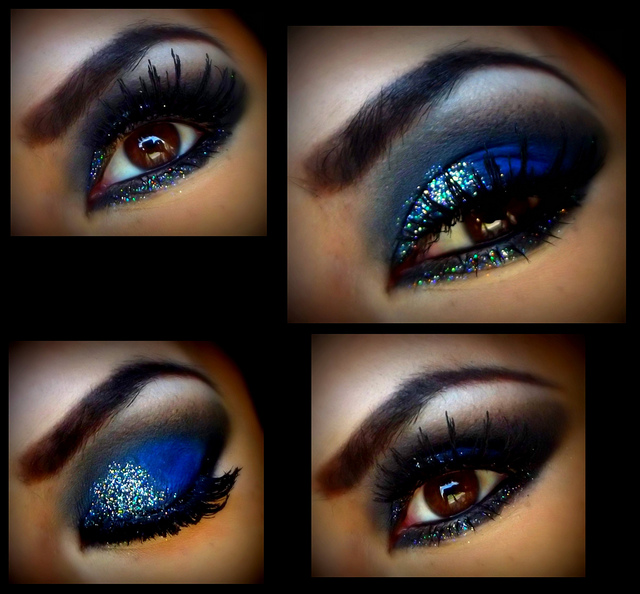
Megan Mayhew Bergman wrestles with the ethics of her makeup use:
I know my beauty products are largely unnecessary. Furthermore, they’re often made from toxic or unsustainable materials like palm oil. The wrappers, jars, and tubes pile up in landfills and plastify the ocean. The micro-plastic exfoliation beads in soaps and scrubs wind up in otter stomachs. Chinese laboratories scald rabbit eyes with products and kill hundreds of thousands a year in testing.
Still, she can’t help but respect the power of transformation:
Makeup can also be the thing that helps a woman find her confidence. It can be an act of self-care. Vitiligo patients, burn victims, cancer patients, the pathologically shy woman, an acne sufferer: All might find a critical lift with makeup.
When my mother-in-law was dying of cancer, she was invited to do a photo shoot because of a national board she belonged to. She did not tell the photographer, who scheduled the session months in advance, that she had cancer, or that she’d lost her hair and eyebrows. She thought it was irrelevant. The makeup artist made her look beautiful that day, healthier. A veterinarian, she posed in a set of pale pink scrubs, surgery cap on, eyes bright. Later, after she’d passed away, the photographer sent us a large portrait of the best shot. It hangs in the animal clinic where my husband works; he looks at it every day. I don’t know how she felt inside that day, but in the picture, she’s radiant.
Update from a reader:
Here’s a simple and easy solution for this horrifying problem: buy products that say “no animal ingredients” and “no animal testing.” Whether you are buying shampoo, conditioner, toothpaste, skin lotion, dish detergent, shaving cream, soap, sunblock, or any other such personal care product, there are countless cruelty-free versions available. See here for easily searchable lists. Some of them will conveniently show the bunny label.
(Photo by Aurora CuaCua)
 The Dish