The striking thing about the long and delicate rapprochement with newly empowered moderate forces in Iran is how far from the national conversation it is. There are few heated TV debates; Twitter is relatively quiet; the blogosphere sits in two camps of near calcified intellectual hostility; only AIPAC slouches forth from time to time to threaten negotiation-ending new sanctions in the Senate.
And yet we have had two breakthroughs since the last elections in Iran: first the actual interim agreement between the major powers and Iran, and now a secondary practical deal to begin ramping down Iran’s nuclear program starting January 20. That second deal was announced around lunchtime today. All of it appears to be reversible at any point if one of the parties does not appear to be living up to its side of the bargain:
Giving details about the deal, Deputy Foreign Minister Araqchi told state television that each party’s commitments would be implemented “in one day”. “After the first step is taken, then in a short period of time we will again start our contacts for resumption of negotiations for the implementation of the final step.” He added: “We don’t trust them. … Each step has been designed in a way that allows us to stop carrying out our commitments if we see the other party is not fulfilling its commitments.”
It would be foolish to try and glean clues from nuances in public statements, but I don’t find the lack of trust to be a deal-breaker. The honesty about such a lack of trust is what gives the deal a chance to work. But the more fearful and reactionary factions in both countries’ legislatures are doing their best to unravel the detente. In Iran, a big majority of the parliament appears recklessly willing to sanction new uranium enrichment of up to 90 percent (allegedly for powering submarines); in the US, the Senate is also brandishing possible new sanctions that would end the detente if enacted, and require humiliating concessions Iran will never agree to. But neither legislature has yet acted – and the positioning and jockeying may be an inevitable part of what president Obama has claimed is only a 50-50 chance of success.
I don’t have any illusions about parts of the Iranian regime, or about Israeli hopes to scuttle any accord in favor of another unpredictable and polarizing war in the Middle East.
But I do think that this opening – if it is handled right – could avoid an avoidable conflict, open up many new options for US foreign policy in the Middle East, and empower pragmatism in both the US and Iran to mutual advantage. From Afghanistan to Iraq, the US and Iran have cooperated before and can cooperate again. The two peoples are natural allies; and the more the people of Iran get to taste the benefits of ending the brinksmanship and polarization and terror-mongering of their religious extremists, the more possibility there will be for more engagement.
There should be no permanent enemies in world affairs; just the pursuit of permanent interests. This time, we’re close to a rare alignment between Washington and Tehran, Obama and Rouhani. The only serious alternative to this deal, if containment has been ruled out by Obama, is a war. We’d be crazy not to hope it doesn’t come to that.
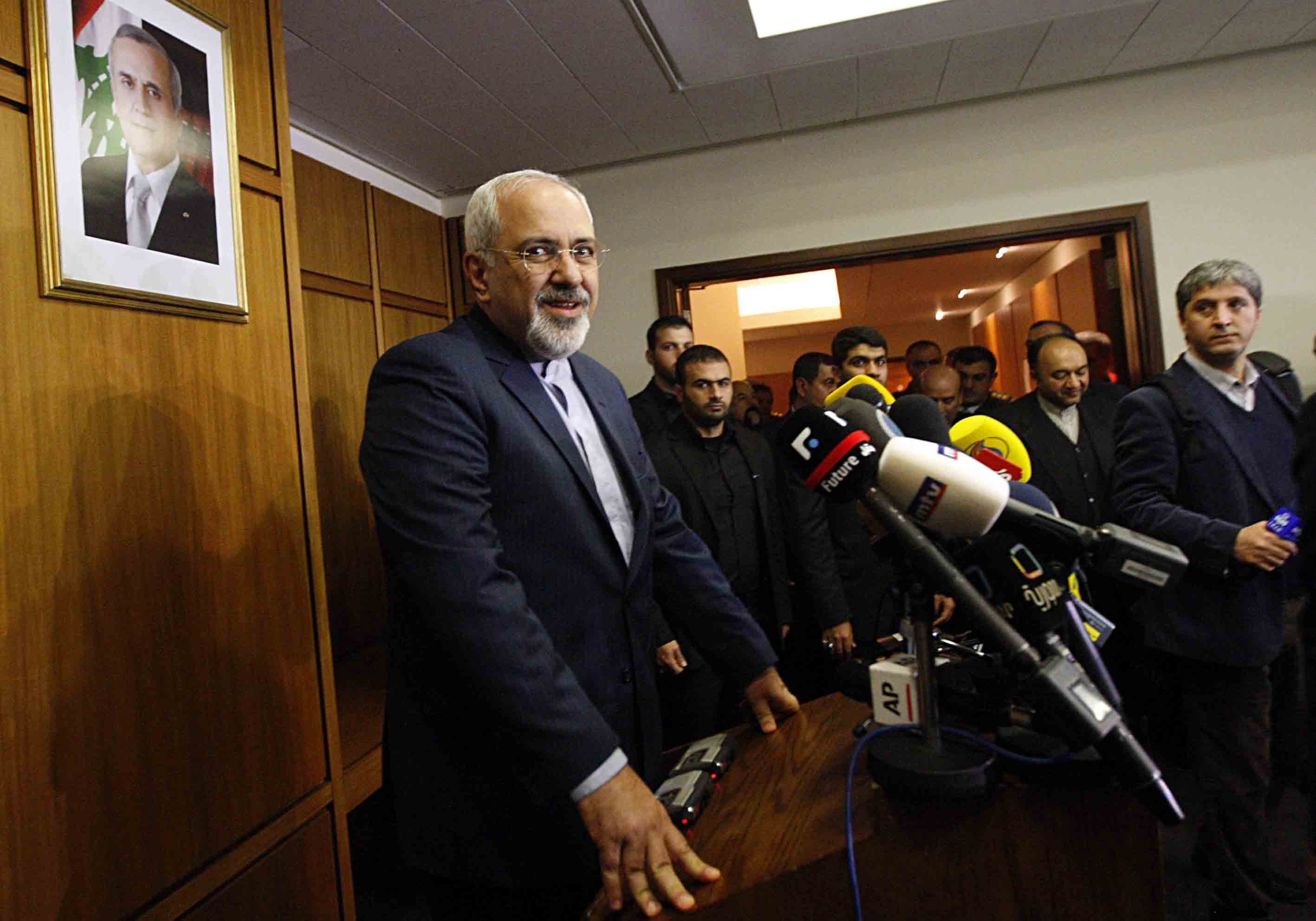
(Photo: Iranian FM Javad Zarif holds a press conference upon his arrival in Beirut, Lebanon, January 12,2014. By Bilal Jawich/Anadolu Agency/Getty Images.)
 The Dish