Reviewing Nancy Koester’s new biography, Harriet Beecher Stowe: A Spiritual Life, Harold K. Bush highlights the under-appreciated religious convictions that informed the abolitionist’s work:
Everyone knows about Stowe’s anti-slavery emphasis. Often forgotten, however, are the deep
spiritual currents at work beneath it. In Uncle Tom’s Cabin, a variety of characters have mystical experiences, and Scripture is sprinkled throughout. Tom seems to hear Eva’s voice at times after her death, as in a dream. By the time she wrote the novel, Stowe was confirmed in her conviction that faith has supernatural elements, including the dreams and visions mentioned throughout the Old Testament prophetic books, the Gospels, and the Book of Acts. She believed, moreover, that both sexes could experience these phenomena:
“I will pour out my spirit upon all flesh; and your sons and your daughters shall prophesy, your old men shall dream dreams, your young men shall see visions” (Joel 2:28, Acts 2:17). She had written in letters of yearning to be “baptized in the Spirit,” and she took a keen interest in the many variations and quirks of American Christianity.
And so, despite her rather conservative and even stodgy reputation, Harriet Beecher Stowe was quite the spiritual adventurer. In the midst of antebellum America’s vital and inventive religious landscape, she fit right in. Indeed, as Koester shows, Stowe can be viewed as a key contributor to that landscape: a deep religious thinker whose novels and voluminous spiritual writings both mirrored and shaped the thinking of American Christianity, for better or worse. Koester is at her best, and is most original, when she locates Stowe’s writing in the context of this churning spirituality. She reveals Stowe’s engagement with the religious questions of her day, and how her answers are manifested in her fiction.
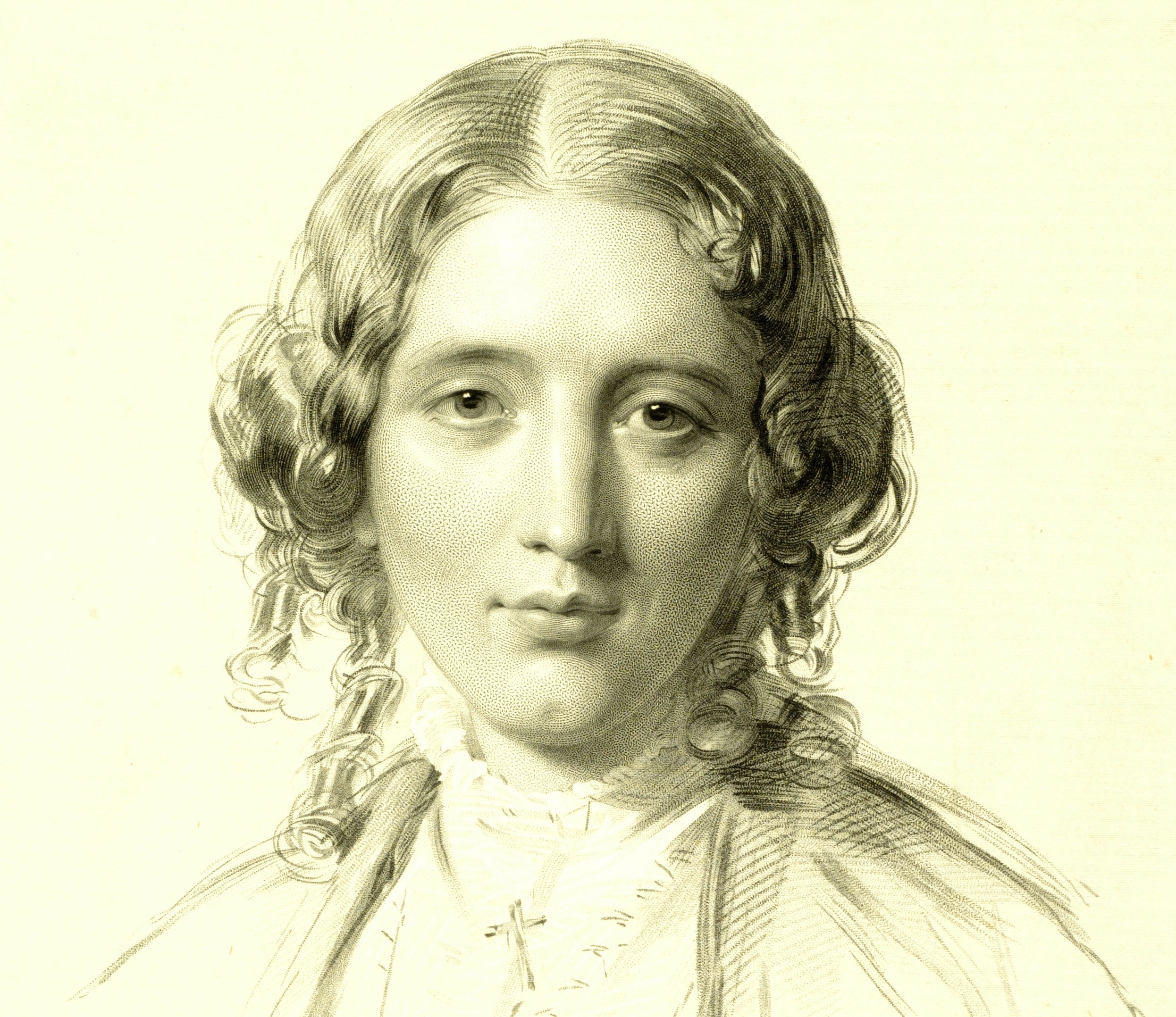
(Image of portrait of Harriet Beecher Stowe, circa 1855, via Wikimedia Commons)
 The Dish
