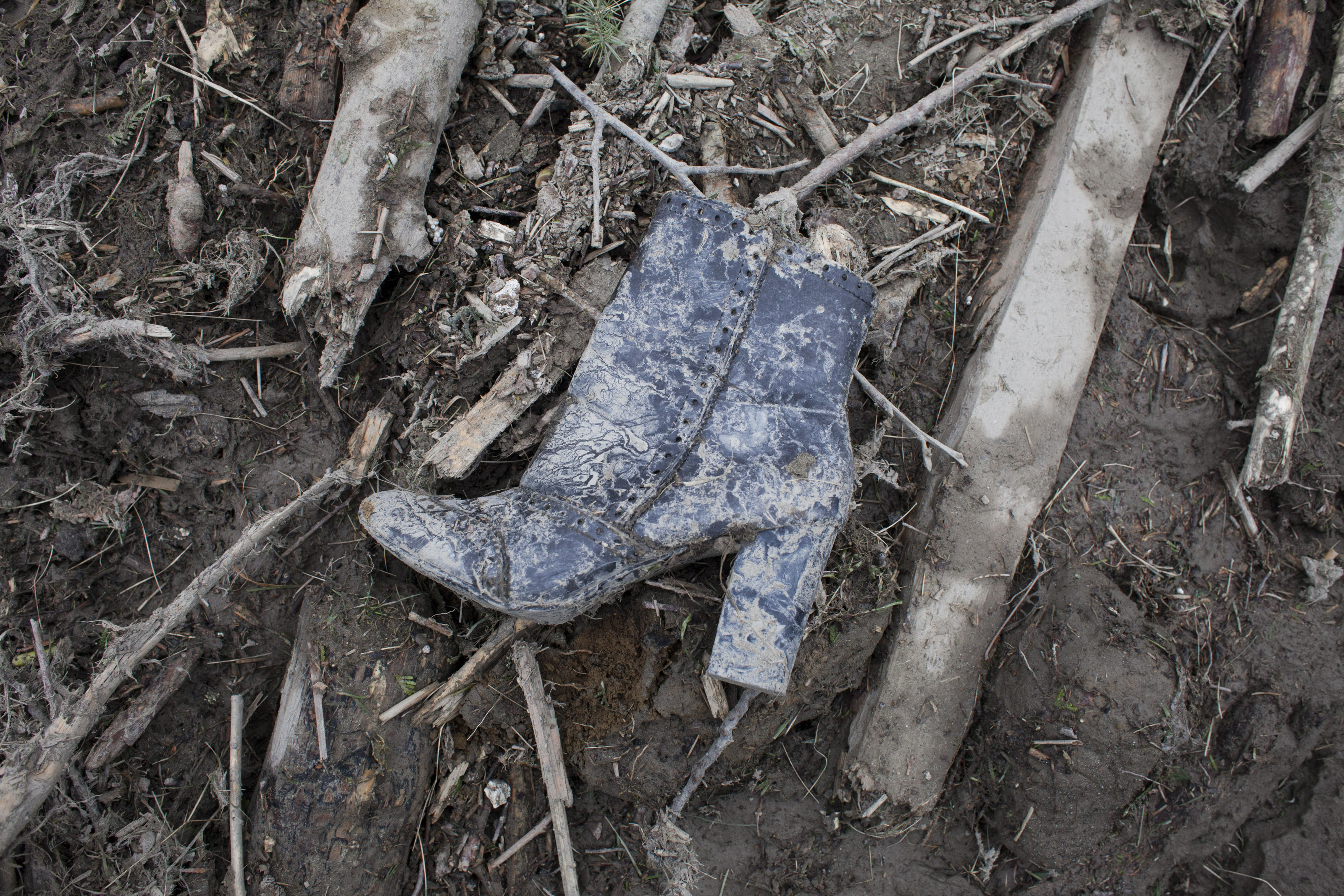
Shafer considers why the Oso, WA landslide has gotten so much press:
Not to diminish the cataclysm and the human loss, but for all its fearful power and creepiness, the landslide isn’t much of a killer — at least not in America. According to a Wikipedia chart of major landslides worldwide since 1900, only 11 have struck the United States, including the one in Oso. When you factor out landslides propagated by exploding volcanos (Mount St. Helens), earthquake-tsunamis (Seward, Alaska, and Lituya Bay, Alaska) and hurricanes (Nelson County, Va.), the death count falls very low. Before Oso, fewer than two dozen people had died in all other major U.S. landslides, which you could count on two fingers (Gros Ventre, Wyo., and La Conchita, Calif.). …
Avalanches, much more frequent and deadly than landslides, don’t enthrall readers and journalists because our curiosity about how they form and how and why they kill has been adequately covered. The landslide, as an atypical disaster, demands great concentration by the press. Most reporters (outside of landslide territory) have probably never covered one, leaving hundreds of questions to ask and answer. Explainers must be posed and sorted out. Follow-ups assigned. Historical records searched. Curiosity sated.
 The Dish