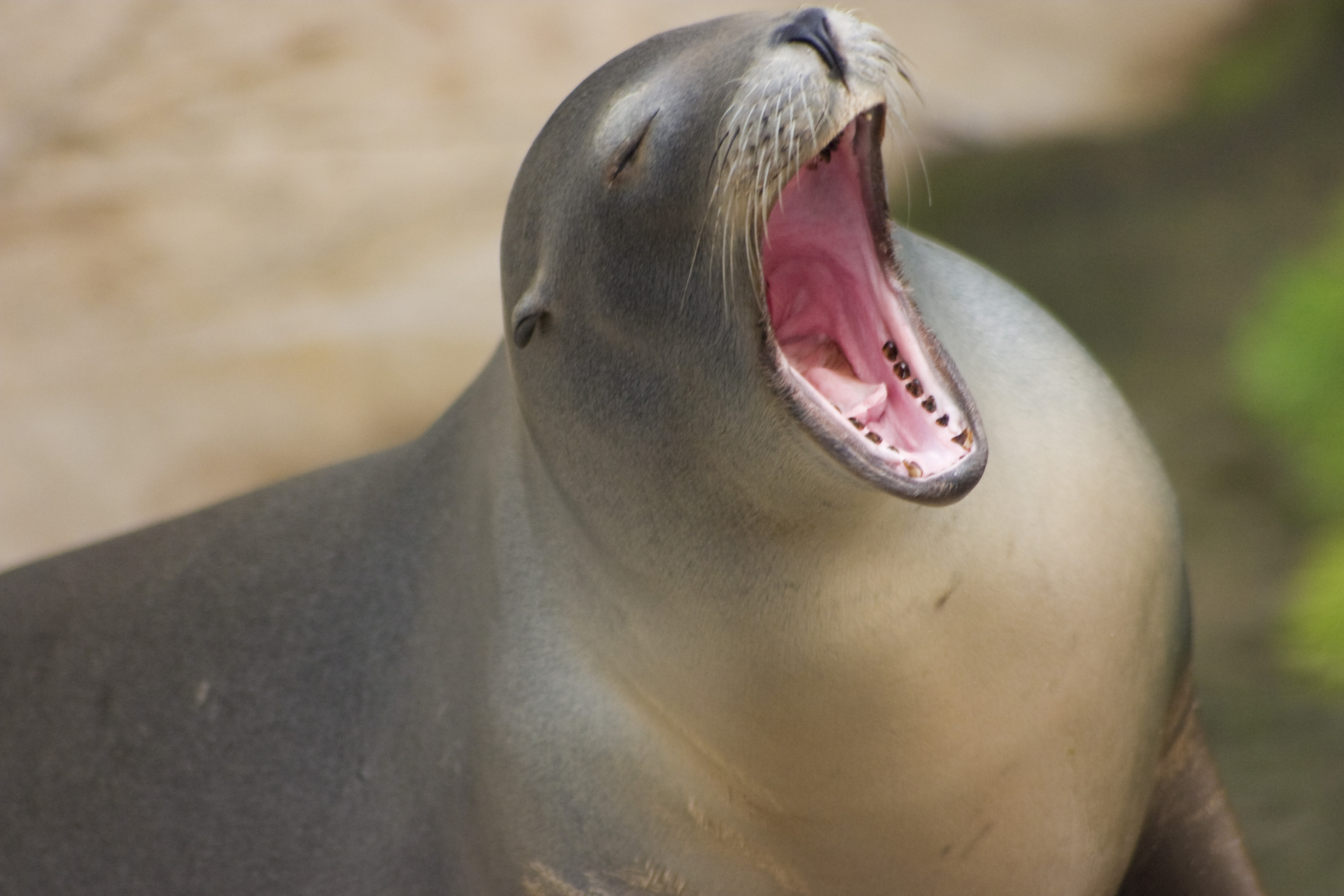
Konnikova relays the research:
Boredom, hunger, fatigue: these are all states in which we may find our attention drifting and our focus becoming more and more difficult to maintain. A yawn, then, may serve as a signal for our bodies to perk up, a way of making sure we stay alert. When the psychologist Ronald Baenninger, a professor emeritus at Temple University, tested this theory in a series of laboratory studies coupled with naturalistic observation (he had subjects wear wristbands that monitored physiology and yawning frequency for two weeks straight), he found that yawning is more frequent when stimulation is lacking. In fact, a yawn is usually followed by increased movement and physiological activity, which suggests that some sort of “waking up” has taken place.
“You yawn when you’re obviously not bored,” [Robert Provine, neuroscientist and author of Curious Behavior: Yawning, Laughing, Hiccupping, and Beyond] points out.
“Olympic athletes sometimes yawn before their events; concert violinists may yawn before playing a concerto.” Provine once had a lab member who had been part of the Army Special Forces. As part of his research, he decided to look at soldiers who were preparing to jump from an airplane for the first time. The incidence of yawning went up just before they made their way to the cabin door. A yawn, Provine believes, may simply signal a change of physiological state: a way to help our mind and body transition from one behavioral state to another—“sleep to wakefulness, wakefulness to sleep, anxiety to calm, boredom to alertness.”
So, rather than condemn poor Sasha [who yawned during her father’s 2013 Inaugural Address], we may be better off praising her: in yawning, her body may have been making an effort to reëngage itself rather than succumb to fatigue or hunger.
(Photo by Sander van der Wel)
 The Dish
.jpg)