In an excerpt from his new book, The Tale of the Dueling Neurosurgeons, Sam Kean ponders the possible connection between religious experience and brain disturbances, especially epileptic seizures:
All human beings seem to have mental circuits that recognize certain things as sacred and predispose us to feeling a little spiritual. It’s just a feature of our
brains (Richard Dawkins excepted, perhaps). But temporal lobe seizures seem to hypercharge these circuits, and they often leave victims intensely religious, as if God has personally tapped them as witnesses. Even if victims don’t become religious, their personalities often change in predictable ways. They become preoccupied with morality, often losing their sense of humor entirely. (Laugh lines are few and far between in Dostoyevsky.) They become “sticky” and “adhesive” in conversations, refusing to break them off despite pretty strong signs of boredom from the other party. And for whatever reason, many victims start writing compulsively. They might churn out page after page of doggerel or aphorisms, or even copy out song lyrics or food labels. The ones who visit heaven often chronicle their visions in excruciating detail.
Based on these symptoms, especially the rectitude and sudden spiritual awakening, modern doctors have retrodiagnosed certain religious icons as epileptics, including Saint Paul (the blinding light, the stupor near Damascus), Muhammad (the trips to heaven), and Joan of Arc (the visions, the sense of destiny). [Emanuel] Swedenborg also fits the profile.
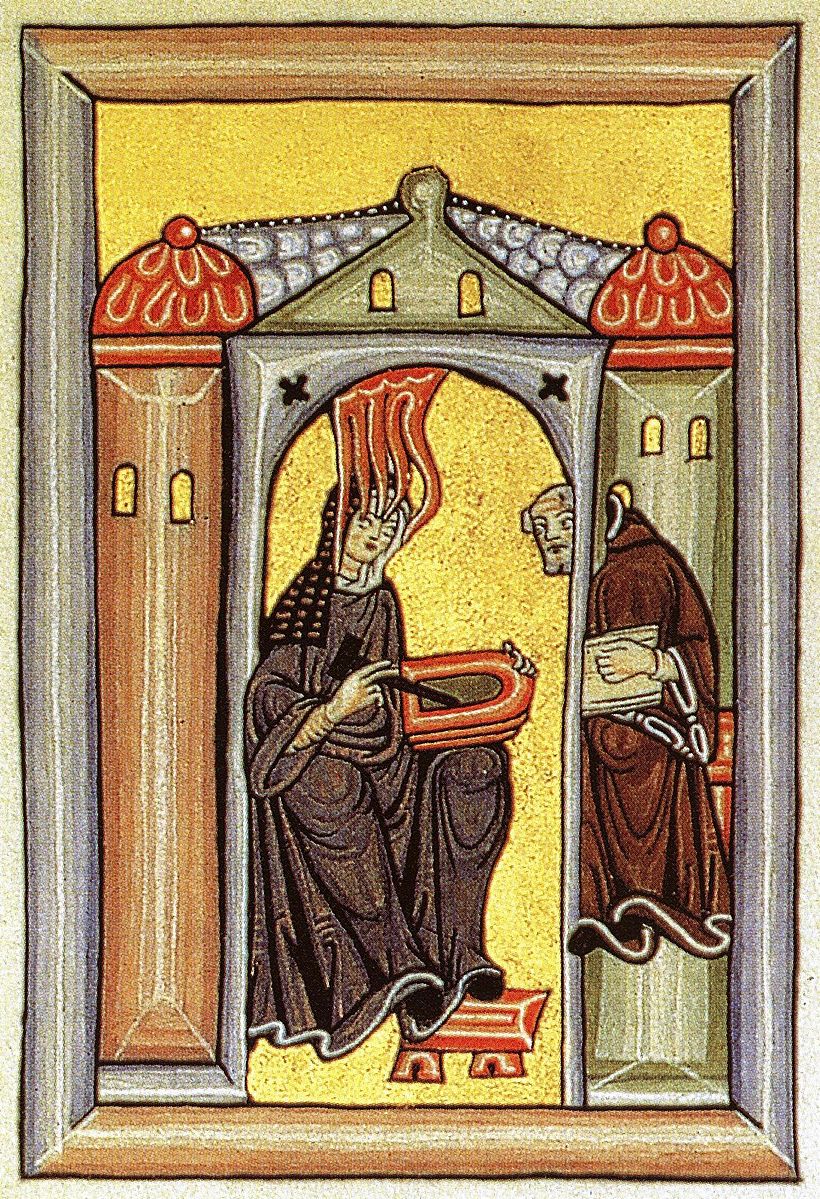
Ultimately, though, Kean warns against reducing the numinous to the neurological:
Most seizures last a few seconds or minutes, not the hours that some prophets spend immersed in trances. And because a temporal fit can paralyze the hippocampus, which helps form memories, many temporal lobe epileptics can’t remember their visions in much detail afterward. (Even Dostoyevsky lapsed into vague descriptions when recounting their actual content.) Also, while Swedenborg’s trances in particular blended sights, sounds, and smells into a heady, heavenly froth, most epileptics hallucinate with one sense only. Most damningly, most epileptic auras are tedious, producing the same refulgent light, the same chorus of voices, or the same ambrosial smells time and again.
So while epilepsy might well have induced their visions — the idea makes sense — it’s important to remember that Joan of Arc, Swedenborg, Saint Paul, and others also transcended their epilepsy. Probably no one but Joan would have rallied France, no one but Swedenborg would have imagined angels eating butter. As with any neurological tic, temporal lobe epilepsy doesn’t wipe someone’s mental slate clean. It simply molds and reshapes what’s already there.
(Image: Illumination from Liber Scivias, showing Hildegard of Bingen receiving a vision, via Wikimedia Commons)
 The Dish
