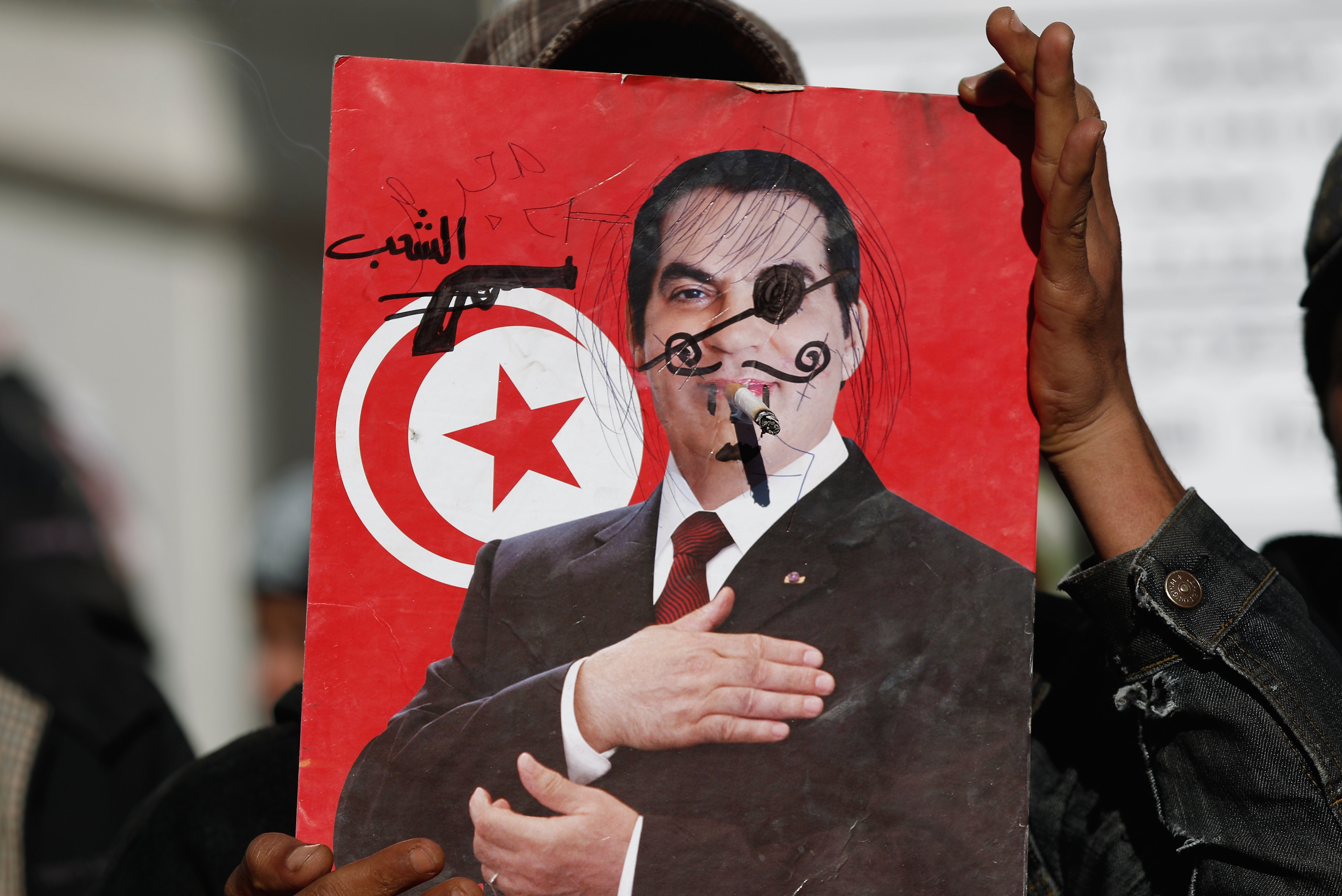
In an analysis of autocratic exits since 1948, Andrea Kendall-Taylor and Erica Frantz find that popular revolts have become much more common than coups and tend to have better outcomes:
The proportion of autocrats ousted via coup — which accounted for as much as half of all autocrat ousters in the 1960s and ‘70s, for example — has fallen to less than 10 percent in the last decade. Revolts have now overtaken coups as the most common way in which autocrats exit from power.
So why does this trend matter? The way that an autocrat exits office affects the political trajectory of a country. The underwhelming performance of democracy in the wake of the Arab Awakening and pessimism about Ukraine’s future after President Viktor Yanukovych’s ouster have led some to claim that people-powered revolutions are overrated. While it is true that autocratic ousters lead to democratization only 20 percent of the time, our research shows that the prospects for democracy are actually highest when ousters occur via revolt.
These findings, they argue, have implications for how the West should go about supporting democratization:
In the past, the West has worked with political opposition or local democracy advocates, including by publicly backing opposition movements to enhance their domestic legitimacy (as was the course in the Philippines under Ferdinand Marcos, in South Korea under Syngman Rhee, and in Chile under Augusto Pinochet). This strategy may have limited applicability in today’s environment. By offering overt support for the political opposition in many autocracies, Western countries would risk undermining local pro-democracy efforts.
Instead, the United States will have to pay more attention to public sentiment in autocratic countries. It must put forth greater effort to neutralize anti-Western attitudes and frame U.S. cooperation with autocracies in ways that highlight the benefits to the local population. Another effective strategy would be to leverage the rising threat of the masses through indirect engagement. For example, sustained international media attention to regime abuses increases the likelihood that autocrats will avoid actions that could breed public discontent or elicit domestic backlash.
In addition, autocrats are likely to be attuned to the public perception of their legitimacy, which, even in autocracies, is largely shaped by citizens’ views of procedural fairness. Efforts to publicize government failures to comply with their own legal system, to track the unjust application of laws (including the use of tax collectors or health inspectors to shut down the opposition), or to criticize new legislation that threatens domestic rights could be particularly effective.
(Photo: A protester displays a defaced portrait of ousted president Zine al-Abidine Ben Ali outside the Tunisian prime ministers office on January 24, 2011 in Tunis, Tunisia. Protesters from the countryside and the hamlet of Sidi Bouzid, the town where the ‘Jasmine Revolution’ started, walked through the night to descend on the prime minister’s office, where they tore down razor wire barricades. By Christopher Furlong/Getty Images)
 The Dish