A reader writes:
Regarding the uses of Tocqueville to explain why the Middle East isn’t ready for democracy:
If we really want to know what Tocqueville thought about Islam and the Middle East, just skip the flattering portrait he gives us in
“Democracy in America” and read his enormous body of work on France’s 1830 colonization of Algeria — a colonization that didn’t come to an end until 1962. Surprise: Tocqueville the liberal was an early and vocal supporter of the invasion, conquest, and subjugation of Algeria. In fact, he was such a fan that he made two trips there himself to determine whether he and his brother ought to buy land and become settlers. He also read the Qur’an, considered taking Arabic lessons, and positioned himself in the Chamber of Deputies as an expert on the “Algeria Question”. The man was committed.
So what can Tocqueville tell us about how modern Middle Eastern politics got so messed up? Stop me when this starts sounding familiar.
He sets out with the best of intentions, to civilize the barbarous Arabs and introduce solid French virtues like liberty and fraternity. But that doesn’t last long. When the native population turns out to not appreciate France’s virtuous conquest, a full-scale counter-insurgency is launched. And when other politicians begin to question the French army’s tactics, Tocqueville pulls a full Cheney: “I have often heard men in France whom I respect, but with whom I do not agree, find it wrong that we burn harvests, that we empty silos, and finally that we seize unarmed men, women, and children. These, in my view, are unfortunate necessities, but ones to which any people that wants to wage war on the Arabs is obligated to submit.” (1846)
Likewise, some of his colleagues began to complain that French liberals were being hypocritical, demanding equality at home but promoting despotism abroad. In words that might as well have been spoken by Netanyahu, Tocqueville reminds us:
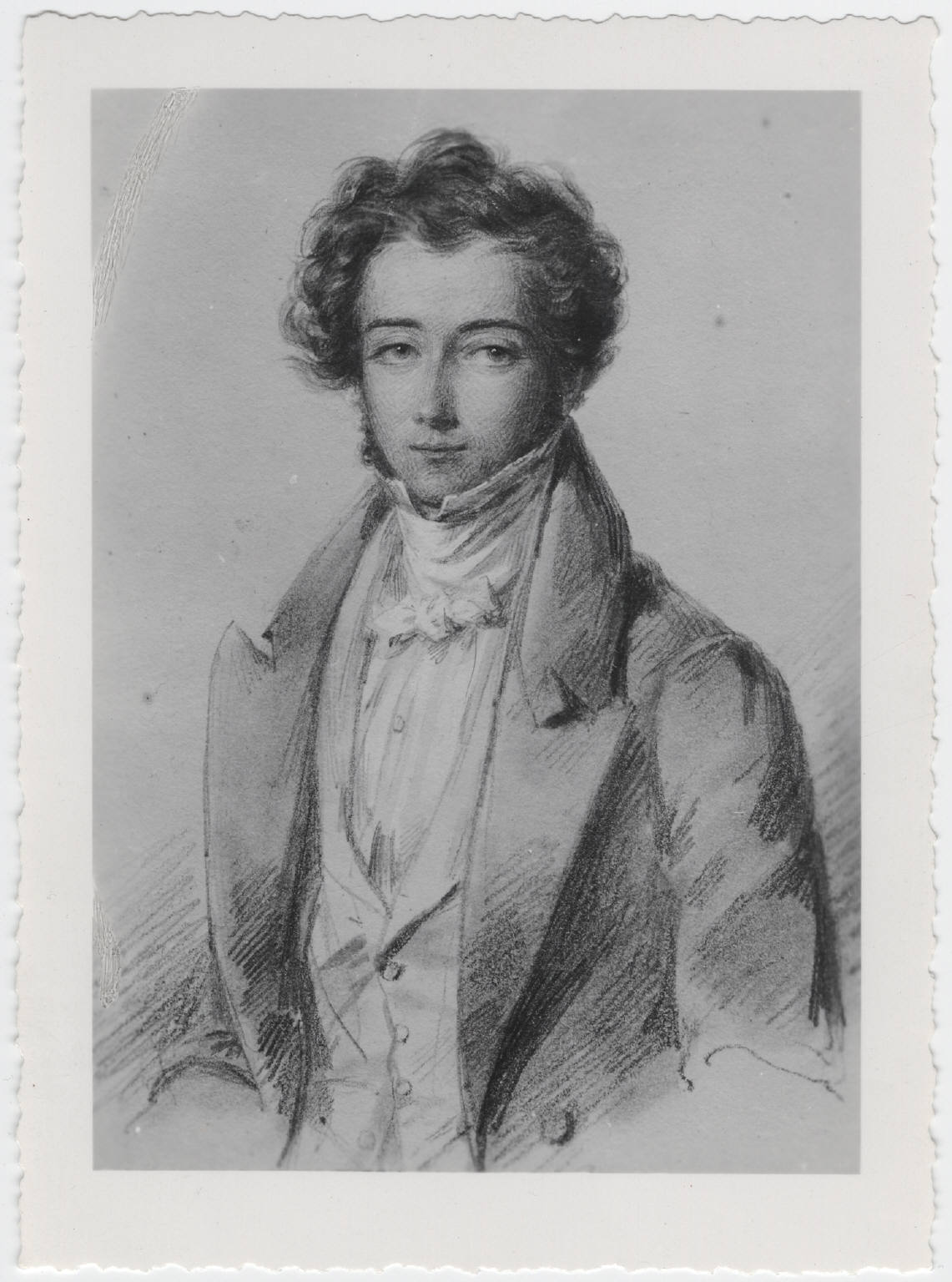
“There is neither utility in allowing, nor a duty to allow, our Muslim subjects exaggerated ideas of their own importance, nor to persuade them that we are obligated to treat them under all circumstances precisely as though they were our fellow citizens and our equals. They know that we have a dominant position in Africa; they expect us to keep it. To abandon it today would be to astonish and confuse them, and to fill them with erroneous or dangerous notions.” (1847)
And contra Mitchell’s argument about the roots of “Islamic fundamentalism”, Tocqueville never once believed that the problem in the Middle East was too much tribal or religious linkages. Rather, his claim was the exact opposite, that the roots of Algerian violence can be found in the destruction of native institutions, habits, and social connections — and, moreover, that this is entirely Europe’s fault. French rule, he writes, has made “Muslim society much more miserable, more disordered, more ignorant, and more barbarous than it had been before knowing us.” (1847) Such was his faith in the importance of empire for France, however, that even admitting this failure could not undermine his ultimate support for the Algerian conquest.
I could go on. Others have at length. My point is just that if we really want to get into the business of shaping our Middle Eastern policy according to the theories of a man dead more than a hundred and fifty years, we should be serious about looking at what he actually said and wrote on the topic. And when we do, we may find that we bear far more direct responsibility than Mitchell or you, Andrew, seem to allow.
 The Dish