Iced Out In Donetsk – And Brisbane

UKRAINE-RUSSIA-CRISIS

On Saturday, Ukrainian President Poroshenko ordered his government to withdraw all state services, including funding for hospitals and schools, from rebel-held provinces in the country’s east:

Poroshenko told his cabinet to take steps within a week “to terminate the activities of state enterprises, institutions and organisations in the various territories where anti-terrorist operations are being conducted,” a statement on his website said. “This is a decisive step, the games have stopped,” the security official added. “All the structures that the state finances will be withdrawn from there. Ukraine will no longer finance them.” The decree also proposed that Ukraine’s central bank take steps over the next month to withdraw all banking services for businesses and individuals in the regions.

But “if anyone thought this was an abdication and a letting go of the unruly region,” Jamie Dettmer underlines, “they need to think again”:

In the decree, he asked the country’s new parliament to revoke a law granting self-rule to the Donetsk and Luhansk regions—in effect rescinding September’s “special status” law granted under a ceasefire allowing the two mainly Russian speaking eastern region some autonomy.

The National Security Council recommended Poroshenko revoke the special status law following the November elections in the separatist Luhansk People’s Republic and Donetsk People’s Republic—polls that broke the conditions of the Sept. 5 Minsk ceasefire agreement. That ceasefire allowed for local elections in Donbas in December, but under Ukrainian supervision. The separatist polls amounted to a direct challenge to Kiev’s authority. But the decision now to sever economic ties with the eastern regions was a surprise—and a gamble.

Rebel leaders quickly decried the order as an act of “genocide”.  Poroshenko had already cut off the separatist regions from pensions and other state funds last week. Alexander J. Motyl supports putting economic pressure on the rebels and their backers in Moscow, but he acknowledges that there will be serious consequences:

The [Donbas] enclave is an economic mess, having experienced dramatic drops in GDP and employment and rises in business closures, food shortages, and inflation. And conditions will get much, much worse as subzero winter temperatures envelop the enclave. People will die not only from the fighting, but also from hunger and cold. Even Nikolai Levchenko, the young Regionnaire hotshot from Donetsk who distinguished himself a few years ago by insulting the Ukrainian language, brazenly flaunting his ill-gotten wealth in Jakob Preuss’s documentary film The Other Chelsea, and preposterously claiming to have read Leo Tolstoy’s War and Peace seven times, says he’s worried: “More than 3.5 million people who have remained in the zone of direct conflict will suffer from the cold and will be placed on the verge of survival under conditions of a wintry humanitarian collapse.”

This weekend was also an eventful one for Putin, who got such a chilly reception at the G20 summit in Australia that he ducked out early:

Western leaders piled huge pressure on the Russian president at the Group of 20 meeting in Brisbane, with host Tony Abbott calling on Putin to “atone” for the shooting down of Flight MH17 over rebel-held eastern Ukraine and Britain’s David Cameron branding him a “bully”. Analysts said Putin’s apparent anger at his treatment by his fellow leaders could worsen the crisis in Ukraine. “If he is leaving irritated, just wait for the fighting in Ukraine to intensify,” independent analyst Stanislav Belkovsky told AFP. Putin, who prides himself on his stamina, cited the “need to sleep” and a long flight home as his reasons for leaving the summit before the final communique was issued.

Leonid Bershidsky criticizes the G20 leaders who gave Putin the cold shoulder, arguing that such passive-aggressive behavior serves no purpose:

What were the Western leaders trying to achieve? Putin already knows they resent his meddling in Ukraine. Not inviting him at all would have sent a clearer signal that the West is prepared to isolate Russia from international decision-making, as it once did the Soviet Union. That message would have been misleading, however, because, despite Putin’s stubborn and increasingly ridiculous denials that Russia is taking action in Ukraine, the West still wants to talk with him: German Chancellor Angela Merkel, French President Francois Hollande, Italian Prime Minister Matteo Renzi and European Union President Jean-Claude Juncker, not to mention the leaders of BRICS countries, all held meetings with him in Brisbane. Taunts and angry looks only make such conversations more difficult.

But Doug Mataconis wonders whether “Putin showing up at the summit wasn’t some kind of stunt for domestic consumption to begin with”:

With reports of Russian troops and equipment pouring across the border with Ukraine that seem hard to deny, and the whole idea of showing up with a fleet of Russian destroyers in international waters off the Australian coast, much further from Russian waters than the Russian Navy tends to travel these days, certainly seems like more Putin-esque showmanship and provocation. It’s almost as if Putin went to Australia with the specific intention of creating a scene like this for propaganda purposes back home.

The Russian and Ukrainian leaders continued their war of words in interviews published yesterday and today. While both leaders claim to want a peaceful resolution to the conflict, Poroshenko now says Ukraine is “prepared for a scenario of total war” while Putin drops hints that he is fully prepared to continue propping up the rebels:

In response to a question about whether Russia was arming the rebels, as contended by both Kyiv and the West, Putin said merely that “anyone waging a fight that they believe fair will find weapons.” He stressed that without such arms the rebels would be quickly destroyed by the Ukrainian forces – something Russia “does not want, and will not allow.” While Putin stopped short of acknowledging Russia’s material role in the conflict, his comments went further in emphasizing Moscow’s willingness to support the separatists than ever before.

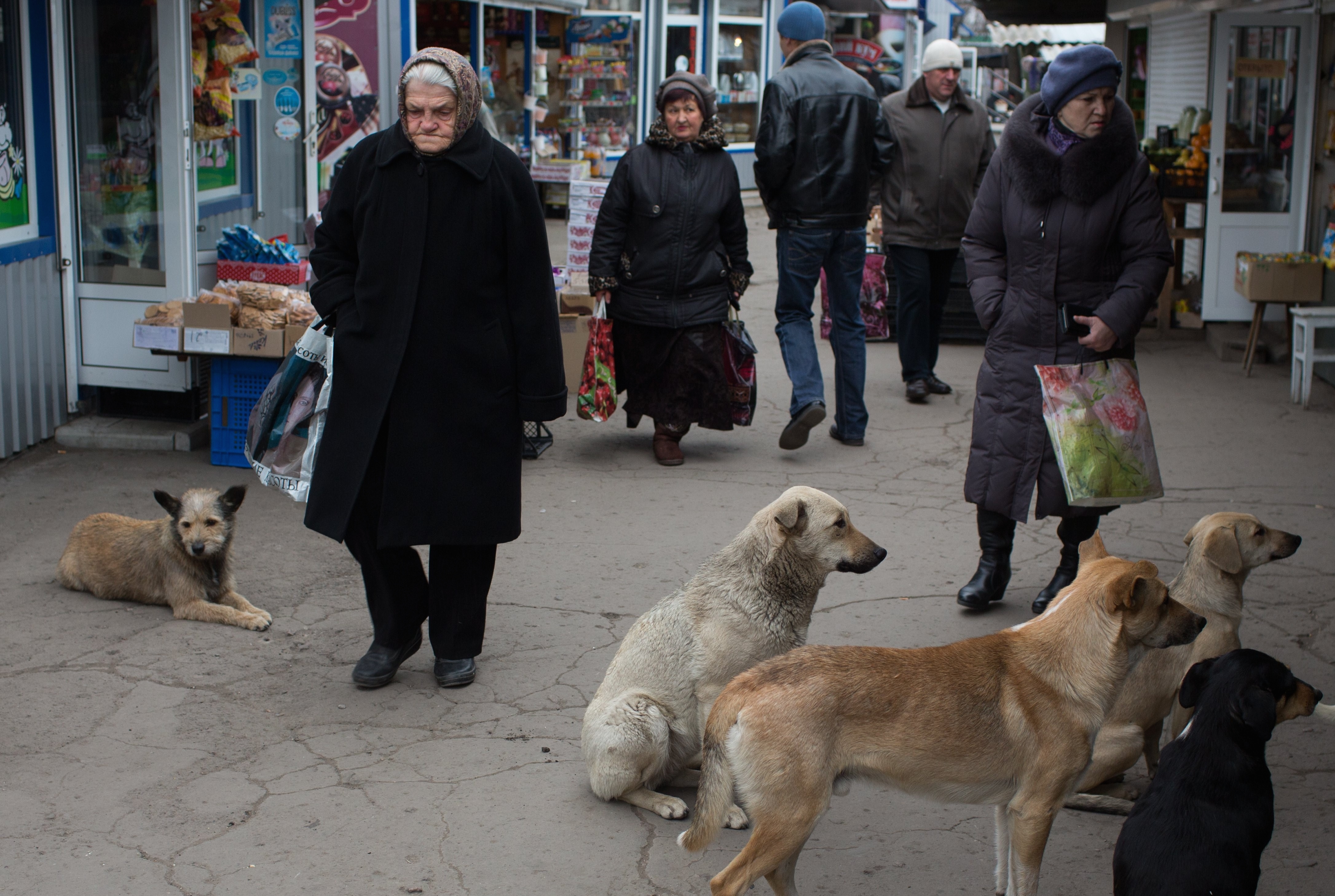
(Photo: People shop at the market in the Eastern Ukrainian city of Donetsk on November 17, 2014 as artillery fire continues to rock the eastern Ukraine’s pro-Russian rebel bastion. Fresh bloodshed between pro-Kremlin rebels and Kiev’s forces added to the tensions after Russian President Vladimir Putin left a G20 summit in Brisbane early amid criticism from fellow leaders. By Menahem/AFP/Getty Images)
“A Story Of Human Cooperation In A World Of Conflict”

Comet_panoramic_lander_orientation_node_full_image_2

That’s how Jonathan Freedland describes the Rosetta space mission:

The narrow version of this point focuses on this as a European success story. When our daily news sees “Europe” only as the source of unwanted migrants or maddening regulation, Philae has offered an alternative vision; that Germany, Italy, France, Britain and others can achieve far more together than they could ever dream of alone. …

Even that, as I say, is to view it too narrowly. The US, through Nasa, is involved as well. And note the language attached to the hardware: the Rosetta satellite, the Ptolemy measuring instrument, the Osiris on-board camera, Philea itself – all imagery drawn from ancient Egypt. The spacecraft was named after the Rosetta stone, the discovery that unlocked hieroglyphics, as if to suggest a similar, if not greater, ambition: to decode the secrets of the universe. By evoking humankind’s ancient past, this is presented as a mission of the entire human race. There will be no flag planting on Comet 67P. As the Open University’s Jessica Hughes puts it, Philea, Rosetta and the rest “have become distant representatives of our shared, earthly heritage.”

That fits because this is how we experience such a moment: as a human triumph.

When we marvel at the numbers – a probe has travelled for 10 years, crossed those 4bn miles, landed on a comet speeding at 34,000mph and done so within two minutes of its planned arrival – we marvel at what our species is capable of. I can barely get past the communication: that Darmstadt is able to contact an object 300 million miles away, sending instructions, receiving pictures. I can’t get phone reception in my kitchen, yet the ESA can be in touch with a robot that lies far beyond Mars. Like watching Usain Bolt run or hearing Maria Callas sing, we find joy and exhilaration in the outer limits of human excellence.

And it’s a scrappy little lander:

Instead of landing on its planned target, Philae took a dramatic double bounce into the shadows of the comet, where only a tiny bit of sunlight can reach its solar panels. The battery, which lasts for two and a half days, was intended to power Philae during its first planned sequence of data collection. After the battery ran out, Philae was to rely on the sun.

Despite Philae’s precarious position on a cliff, it managed to collect all the data that mission controllers had planned for—images, information on the comet’s chemical composition and its surface properties, for example. The spacecraft even managed to drill into the comet’s surface. Mission controllers also rotated Philae 35 degrees in the hopes of getting its solar panels in a more favorable position. It remains to be seen whether the maneuver will pay off.

Joseph Stromberg explains the importance of comet research:

All this data is so valuable because the comet likely formed 4.6 billion years ago, from material leftover asEarth and the solar system’s other planets were coalescing. As a result, understanding the composition of this comet — and comets in general — could help us better model the formation of the solar system. Moreover, many scientists believe that in the period afterward, when the solar system was still a chaotic, collision-filled system, comets and asteroids were responsible for bringing water and perhaps even organic molecules to Earth. By analyzing data collected by Philae on ice and other substances on the comet’s surface, we could gather important clues as to whether the hypothesis is correct.

Rachel Feltman looks ahead:

Several missions in the near future will take us to asteroids, the slower-moving (and easier to chase down) cousins of comets. In 2016, NASA’s OSIRIS-REx will use a spacecraft with a robotic arm to pluck some asteroid off and take it home. And while we wait for another Philae-like comet trip – which probably won’t come in the next 10 years – we still have Rosetta. The spacecraft will follow its comet for a year, studying it as it passes the sun. And during that time, if enough light hits its solar panels, Philae could even make a comeback – reuniting the world’s new favorite pair of space buddies.

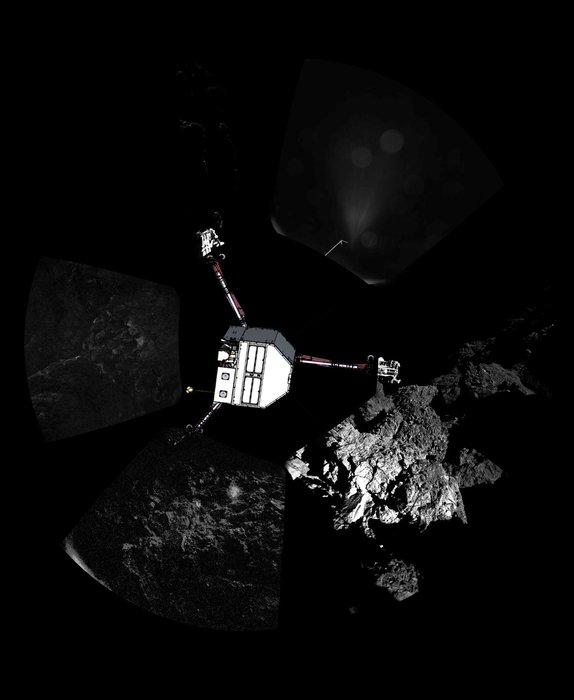
(Photo: Rosetta’s lander Philae has returned the first panoramic image from the surface of a comet. The view, unprocessed, as it has been captured by the CIVA-P imaging system, shows a 360º view around the point of final touchdown. By ESA/Rosetta/Philae/CIVA)

Will Republicans Stop DC Weed?

Sullum thinks not:

“I think a resolution of disapproval is unlikely,” says Bill Piper, director of national affairs at the Drug Policy Alliance. “Overturning a ballot measure passed by 70 percent of the voters doesn’t really look good for the incoming Republican Congress. If the council transmits [the initiative] in January, I think that pretty much reduces or eliminates the chance that Congress will overturn it outright. It just doesn’t fit with what they’re talking about doing, which is rebranding themselves as not being obstructionists.”

Yay! Why defunding the initiative is unlikely to work:

Unless Congress is still working on appropriations for the current fiscal year come January, [anti-marijuana Congressman Andy] Harris would have to wait until spending is authorized for fiscal year 2016. “They could do an appropriations rider that might take effect in September, October, November, December,” Piper says, “but Initiative 71 will already be in effect by then.”

Since the District already will have eliminated penalties for marijuana cultivation, possession, and sharing within the limits set by the initiative, telling it not to spend money on doing so will be ineffectual.

W. James Antle II wants Republicans to stand aside:

Congress would have to move quickly on a resolution of disapproval, making it one of the new majority’s earliest priorities. They would probably have nothing to show for it in the end, as President Obama has suggested his signature won’t be forthcoming. Even the frequently PR-challenged Republicans can likely sense this would be bad symbolically.

Where opponents could do the most damage is attaching riders defunding legalization’s implementation to must-sign appropriations bills. While it’s probably too late to stop legalization’s initial rollout, putting together the necessary tax and regulatory regime will take a couple of years. That’s plenty of time to gum up the works.

But this would be a step backward.

Chewing Over Executive Action On Immigration

US-VOTE-MIDTERMS-OBAMA

Readers know that my first instinct on hearing of president Obama’s decision to defer deportations for hundreds of thousands of illegal immigrants in the near future was to oppose it:

Instead of forcing the GOP to come up with a compromise bill – which if it can, great, and if it cannot, will split the GOP in two – he’d merely recast the debate around whether he is a “lawless dictator”, etc etc. rather than whether it is humane or rational to keep millions of people in illegal limbo indefinitely. It would strengthen those dead-ender factions in the House that are looking for an excuse to impeach. It would unify the GOP on an issue where it is, in fact, deeply divided. And it would not guarantee a real or durable solution to the clusterfuck.

Among the more impassioned advocates of this view is Ross Douthat, whose conservatism and reason I respect a great deal (so sue me). He concedes that deferring deportations is indeed part of a president’s legal prosecutorial discretion but believes the context makes the current proposal outrageous. Money quote:

The reality is there is no agreed-upon limit to the scope of prosecutorial discretion in immigration law because no president has attempted anything remotely like what Obama is contemplating. In past cases, presidents used the powers he’s invoking to grant work permits to modest, clearly defined populations facing some obvious impediment (war, persecution, natural disaster) to returning home. None of those moves even approached this plan’s scale, none attempted to transform a major public policy debate, and none were deployed as blackmail against a Congress unwilling to work the president’s will.

The trouble with this argument is that the very text to which Ross links argues against him. There were indeed previous instances in which vast numbers of illegal immigrants were granted deferred relief, pending legislative gridlock or delay, by presidential discretion:

As Congress was debating the  Immigration Reform and Control Act (IRCA) of 1986, it weighed and opted not to provide a legalization pathway for the immediate relatives of aliens who met the requirements of IRCA unless they too met those requirements. As IRCA’s legalization programs were being implemented, the cases of unauthorized spouses and children who were not eligible to adjust with their family came to the fore. In 1987, Attorney General Edward Meese authorized the INS district directors to defer deportation proceedings where “compelling or humanitarian factors existed.” Legislation addressing this population was introduced throughout the 1980s, but not enacted. In 1990, INS Commissioner Gene McNary issued a new “Family Fairness” policy for family members of aliens legalized through IRCA, dropping the where “compelling or humanitarian factors existed” requirement. At the time, McNary stated that an estimated 1.5 million unauthorized aliens would benefit from the policy. The new policy also allowed the unauthorized spouses and children to apply for employment authorizations.

So both Reagan and the first Bush did exactly what Obama is proposing, as the AP has also reported, and their measures involved 1.5 million people. More to the point, the deferrals were for family members whose deportations would split parents from children. And that’s why Ross’s refusal even to address the humanitarian issue here is so disappointing. For someone who is often a stickler for Catholics in public life to follow their bishops’ lead, he is certainly treading on highly un-Catholic ground here in insisting that legal children separated from their illegal parents. The US Catholic Bishops regard this as an issue of “great moral urgency”:

As pastors, we witness each day the human consequences of a broken immigration system. Families are separated through deportation, migrant workers are exploited in the workplace, and migrants die in the desert … Immigration is a challenge that has confounded our nation for years, with little action from our federally elected officials. It is a matter of great moral urgency that cannot wait any longer for action.

As someone who has been through the immigration system – surviving the HIV immigration and travel ban for twenty years – I perhaps have a more personal understanding of this.

It is hard to describe the psychological agony of an immigration service having the power to tear your family apart, especially when it has been built in America for many years. These are human beings we are talking about – not abstractions in a partisan mudfight. They are mothers about to be separated from their children – and treated as inferior to them. They have no rights, even though they may have contributed a huge amount to the US economy, and have often displayed real tenacity in building strong and intimate families. They face real deadlines, and Obama, for a long time, has not stinted in deporting them under the law, as a (futile) way of building trust with the GOP.

It is also true that the House GOP does not seem to have any intention of moving on comprehensive immigration reform, preferring simply to build an even bigger fence on the Southern border, while the Senate has already passed a bipartisan comprehensive bill. Obama campaigned on this issue in 2008 and 2012. Majorities in the country favor a path to citizenship. Obama has said any action he takes would be superseded immediately by any new law. In a sane polity, Obama’s threat would lead to a commitment by the GOP to move a bill forward to address the core issues promptly. And I certainly favor that. Such prosecutorial discretion should never be considered as an alternative to legislation – just relief to individuals trapped in a limbo that would tear their families apart.

I still favor Obama’s deferral of his deferral in the interests of a more productive and constructive relationship with the GOP over the next two years. But that’s a prudential judgment of the politics of this. And it’s a close call. Far closer than Ross or the GOP would have anyone believe.

(Photo: US President Barack Obama pauses during a press conference in the East Room of the White House on November 5, 2014. By Brendan Smialowski/Getty Images.)

Gender War Update

A little house-cleaning on the last week’s WAM/Twitter thread:

I’m @srhbutts, the person you quoted the tweet of. You make a claim (out of nowhere, apparently) that I said @nero should be banned for being homophobic. I never said any such thing. I’m curious why you said this, and would appreciate it either being sourced or retracted.

Here’s the tweet to which I was referring:

If srhbutts’ issue with @nero were simply harassment, I don’t really understand why he was subject to that kind of criticism, as if his views had anything to do with his right to tweet freely. Another emailer close to the issue:

I am the Twitter user and YouTube video-maker mentioned in the second part of your post “The SJWs Now Get To Police Speech On Twitter“. I have no doubt you’re a busy guy, as am I, what with my campaigns of harassment and general shit-lord behavior, so let me make this as brief as I can manage, which is not at all. The description of me as a “critic of feminism in the atheist and skeptical community” is more or less accurate. The usual caveats apply: I’m not against women. I’m not a misogynist, except in the stupid Fashion Victim Feminist expansive definition of “someone who disagrees with them”. Although that’s not even strictly true.

By most measures my positions could be considered well within the scope of Second Wave Feminism that sought to redress social and legal inequality faced by women and most definitely solidly First Wave Feminist where, straight out of Mary Wollstonecraft, I believe in the social and moral equality of men and women.

What I do not support is the dishonest and manipulative “Fashion Victim Feminism” and invasive species of online Social Justice Warriors that barge into communities they had no part in creating and attempt to co-opt those communities with an agenda.

I am especially active where this concerns the online Atheist and Skeptic community. I have been a member of the Skeptical community from way back, am a member of the National Capital Area Skeptics and it’s only through the Social Justice Invasion that they attracted my attention at all.

For the past few years, beginning about the time of “ElevatorGate” in 2011, I’ve been having it out with these clowns. I’ve been incompetently doxed, laughably harassed and had people such as Greg Laden of Freethought Blogs and Melody Hensley of The Center for Inquiry make half-assed attempts at interfering with my employment. I have responded by punching them in the nose with a series of YouTube videos such as “Creepy Clowns: Freethought Bullies and the Threat Narrative Clown Horn” and “The Block Bot and the Dumbification of the Beeb”, which are far too long for me to recommend. After which I was often referred to as “He Who They Dare Not Name”, after proving direct intimidation wasn’t a course of action that would work against me.

But now, it seems, Women in Media have given the harassers another tool of harassment on the pretext of preventing harassment. Just to show how generally uninterested I am in the politics of these thing, I wasn’t even aware of WAM until someone directed me to your posts. I am now fairly convinced that my Twitter account was suspended as the result of a fraudulent mass flagging effort. Here is the only information as to why I was suspended I have received from Twitter:

Hello,

Your account was suspended because it was found to be violating the Twitter Rules (https://twitter.com/rules), specifically our rules around participating in targeted abuse.
If you would like to request your account to be restored, please confirm that you’ve read and understood the Twitter Rules.

Please note that future Twitter Rules violations may result in permanent account suspension. We appreciate your cooperation going forward.

Thanks,
Twitter

As Twitter seems intent on playing tag with me on this issue, and will not tell me what exactly the “targeted abuse” I engaged in was, my best guess before I read your article can be found in this relatively short (less than 15 minutes) video. Because Twitter’s protocol seems to be “We won’t tell you what you did, so just admit to it”, I may have been unconvincing in my prostrations and it seems that my Twitter suspension is a permanent state of affairs. Which means in one fell swoop and without anything like due process, I have lost my entire Twitter presence, complete with tweets, followers and those I follow going right down the memory hole.

I suspect my YouTube channel will be hit with bogus claims of inappropriate content and false DCMA claims. These people, soulless bastards that they are, are ruthless. Your post was one of the few that clearly detailed what is going on with WAM and these mass flaggings and as unresponsive as Twitter is, and they seem to be of the mind that a massacre of their users is a small price to pay for pandering to the right people. It’s only through efforts such as yours that these silencing tactics can be derailed.

Another story:

One of my viewers informed me of your recent call for anyone who suspects that they might have been suspended from Twitter as a result of WAM’s recent actions.  I was recently suspended from Twitter despite not having harassed, threatened, or otherwise violated the Twitter ToS, but my work gives me a unique reason to suspect that I was suspended due to WAM’s influence.

I’ve been a YouTube blogger since 2007 and started making it a semi-professional endeavor in recent years.  In addition to using it as a venue for my artistic endeavors, I also frequently comment on matters of gender politics, sexual freedom, and philosophy from a libertarian, free-market perspective.  Since 2012 I have devoted a large part of my video presence to commentary on the Social Justice Warrior influence on video game culture, which I consider myself a part of.

In August of 2014 my colleague Davis Aurini and I announced that we would be crowd-funding our new documentary, “The Sarkeesian Effect,” which will be a feature-length film aimed at a theatrical release.  It covers the last two years of video game culture that began in the summer of 2012 with the launch of media critic Anita Sarkeesian’s video series “Tropes Vs. Women in Games.”

The day we launched the project, the crowd funding website we were using, Patreon, was deluged with emails demanding that our project be pulled from the site.  This was spearheaded largely by Samantha Allen, a prominent SJW voice.  Patreon has received hundreds of emails on this matter, and on October 1st of this year we spoke with Patreon COO Jack Conte to discuss the matter with him directly. Funding has continued through the website, but they continue to receive demands that it be pulled.
Additionally, our project has been the subject of hit pieces and misinformation from news sites sympathetic to the SJW agenda and we have received intimidating tweets from various journalists, such as persons from BadAss Digest and the Guardian among others.

So, bringing this around to WAM and Twitter, I recently came home from the second leg of filming for the doc and woke up the next day to find that my Twitter had been suspended.  At first I figured it was the result of the usual false-flagging trolls, but then I noticed that it had come alongside another public push to have Patreon defund our project.  My followers on Twitter and viewers on YouTube noticed that WAM had recently partnered with Twitter, and my suspension came about two days after the announcement.

Well, I don’t have any hard evidence as yet, but I’m highly suspicious that this was done by WAM since Sarkeesian is a VERY close chum of theirs.  I outlined it in this video on my YouTube channel.
As someone who, because of the film, is becoming an increasingly recognized part of the #GamerGate movement, it’s more than a little curious.  Thank you for taking the time to read this, and feel free to discuss my concerns on your site and contact me if you have more questions.

Being Conscious Of Your Own Circumcision, Ctd

The start of another fascinating thread:

I feel for the couple with the seven year old whose foreskin won’t retract.  We went through that with both of our boys.  My husband is cut, but I put my foot down and demanded that both of our boys be left intact.  The older of the two started having problems with his foreskin when he was around four (he’s eight now).  It wouldn’t retract and the doctor thought it was very tight.  The urologist gave us some steroid cream and said, basically, “good luck, it probably won’t work; see you back in two weeks to schedule the circumcision.”

Two weeks later his foreskin was retracting like it was supposed to. Yea! Problem solved.

Fast-forward two years to when our youngest was two. Same problem. We went to a different urologist (for insurance reasons). He spent less than two minutes looking at my son’s penis and said: “He’s fine, leave it alone. A lack of retraction isn’t an issue until he is at least eight or older.”

Guess what: both foreskins now retract normally.  I’m very glad I pushed for alternatives and didn’t immediately agree to a circumcision.  So definitely get a second opinion before you cut.

A second:

I’m sure you’ll have some doctors who can speak to the medical aspect of your reader’s question, but I may be able to offer a useful personal perspective. I wasn’t circumcised when I was born, but I did get circumcised when I was 15 for medical reasons that sound similar to your reader’s son’s.

In my case, the foreskin was fused with the bottom of the head, which meant I couldn’t pull it back very far (and the few times I tried, growing up, were quite painful). I just thought that was normal. I heedlessly peed into the damn thing for years and never got any infections to indicate something was amiss. I think I just nodded when doctors would ask if I was careful to pull the skin back when I used the bathroom. At a physical when I was 15, I finally understood the question, so the doctor sent me to a urologist who proscribed a circumcision. Things were pretty swollen and grody for a few weeks; after that everything worked fine.

One thing that gets elided in the hyperbole “male genital mutilation” is the distinction between a medically-indicated procedure and a purely cosmetic one. It doesn’t make medical sense to circumcise all boys at birth, but being circumcised is not a particularly onerous condition.

My dad may have gone through some of what your reader is going through when we decided I needed to get circumcised. He was adamant that I not be circumcised at birth – partly for the reasons you bring up on this site, and partly because he was very not cool with the idea of some doctor cutting on his newborn’s dick without anesthetic (which was the standard in the mid-’80s, when I was born). When I later had to get circumcised, he expressed some guilt: in an attempt to not mutilate his son, he mutilated his son!

This was ridiculous, of course: I was (and am) grateful that I wasn’t circumcised at birth, just as I’m grateful my idiosyncratic problem was so easily treatable, just as I’m content now to live without foreskin. And I told him as much, with more respect than I was usually able to muster at 15. For one thing, I was very much looking forward to sex, and with a mostly immovable foreskin there can be complications. At 15, I would have hitchhiked to the hospital and panhandled for my copay if it meant I could have sex sometime in the future.

It is important to note that I was able to consent to the procedure. I knew what was going on and I was very clear as to the reasons we were doing it. But I can’t imagine I would have harbored any ill-will if I’d been circumcised a few years earlier for the same reason.

More stories to come. Follow the whole thread here.

Next Year’s Obamacare Premiums

premium_changes

They’re going up:

The Obama administration on Friday unveiled data showing that many Americans with health insurance bought under the Affordable Care Act could face substantial price increases next year — in some cases as much as 20 percent — unless they switch plans.

Sprung calls a foul:

Unless they switch plans is the key. For the 85% of buyer who qualify for federal subsidies, their costs will not go up at all if they buy the benchmark second-cheapest Silver-level plan, or a cheaper plan — except insofar as their income rises. Their share of the premium is a fixed percentage of their income. In fact, if their income is flat they may qualify for higher Cost Sharing Reduction (CSR) benefits, since the formula for determining those benefits is adjusted yearly for inflation.

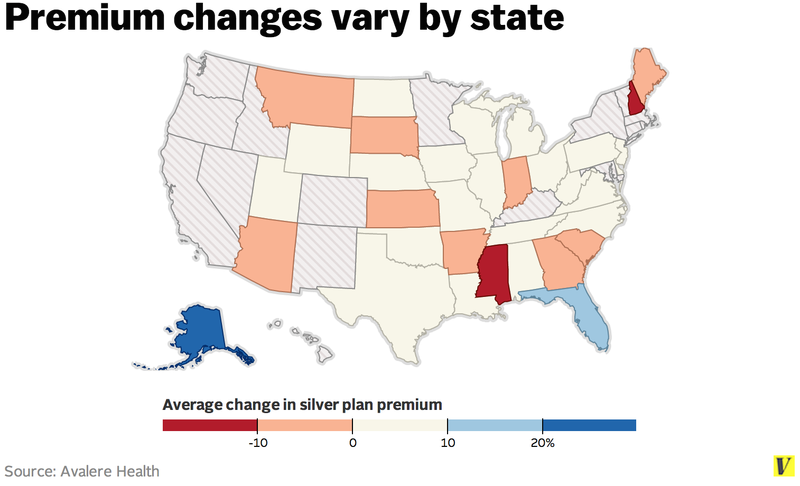
Sarah Kliff, who passes along the above map, adds that premiums “on Healthcare.gov will increase slightly in 2015 — but vary a lot depending on where you live”:

A new analysis from health research firm Avalere Health showed that, on average, premiums for bronze plans (the skimpiest products) will go up by 4 percent next year. Silver plans (which offer middle-of-the-road coverage) will have a 3 percent premium increase.

But those averages mask huge variation. Average silver premiums are falling by 18 percent in New Hampshire — but increasing 28 percent in Alaska.  There are two states where average premiums are going up by more than 10 percent (Alaska and Florida) and two where they’re dropping by double digits (Mississippi and New Hampshire).

And even these state figures likely mask a lot of local variation, with premium changes likely varying from city to city.

Samger-Katz examines other research on Obamacare premiums:

The studies suggest that, in large cities, at least, the new health insurance marketplaces are working as intended: Health insurers, competing for business, are keeping prices low. That’s great news for the federal budget, since the government is paying subsidies to help some 85 percent of people on the market pay their bills. It’s also good for consumers who will be coming to the market for the first time during open enrollment, which begins Saturday.

But just because the type of plan that the researchers examined — the second-cheapest plan in the “silver” category — is showing modest changes, that doesn’t mean that every plan is a great deal. The Wakely analysis highlighted that many of the most popular plans from 2014 are getting much more expensive, while many of the cheapest plans will be new to the market in 2015. That means that consumers who simply renew their plans without shopping could get stuck with a substantial increase.

Drum encourages Obamacare enrollees to shop around:

Even if you can navigate the website yourself, be careful. Not everything is obvious at first glance. And if you’re not comfortable doing it by yourself, don’t. Get help from an expert in your state. You have three months to sign up, so there’s no rush.

Weak Arguments Against Legal Weed

Last week, Damon Linker listed the “3 best arguments against legalizing pot – and why they all fail.” His main point:

As with the lightning-fast evolution of the country on gay marriage, the change in judgments about pot use has been accomplished because of the rise of moral libertarianism. Americans increasingly believe that individuals should be free to engage in behavior that harms no one besides the person who consensually chooses to engage in it, especially when the harm is either minimal or wrapped up with traditionalist religious convictions that (supposedly) have no business being backed up by law and the coercive power of the state. Once the solvent of moral libertarianism is applied to just about any contrary argument, that argument’s cogency dissolves right before our eyes.

And then we are left with an absence of reasons not to engage in behavior that was once presumed to be both immoral and justifiably illegal.

Noah Millman responds:

[W]hat is Linker referring to when he talks about “behavior that was once presumed to be both immoral and justifiably illegal.” What, exactly, is immoral about smoking pot as such?

I can only understand that view within a framework according to which a wide variety of other worldly pleasures – drinking alcohol, smoking tobacco, probably even wearing fancy clothes and eating fancy food – are grouped under the rubric of “vice.” Now, that’s a perfectly fine framework; it served our Puritan ancestors well, and it serves the LDS Church, the various Anabaptist sects, and other groups pretty well today. But it’s simply not true that we must choose between this kind of framework and “moral libertarianism” according to which “do what thou wilt” is the only law (provided you’re not hurting anybody else directly). There are a variety of moral frameworks that view the enjoyment of fleshy pleasures in moderation not merely not as vice, but as essential to health – while still caring about the health of the individual, and not just his or her freedom of action. …

Burke, who did not oppose all change, is more readily enlisted on the side of decriminalization than on the side of prohibition, for the same reason that he is more readily enlisted on the side of same-sex marriage: in both cases, the law would not be driving social change but recognizing a social change that has already occurred. There’s nothing particularly Burkean about using tradition as an excuse for refusing to face that fact that a given custom is now honored largely in the breach.

The View From Your Weirder Windows

Iona-Scotland-12pm

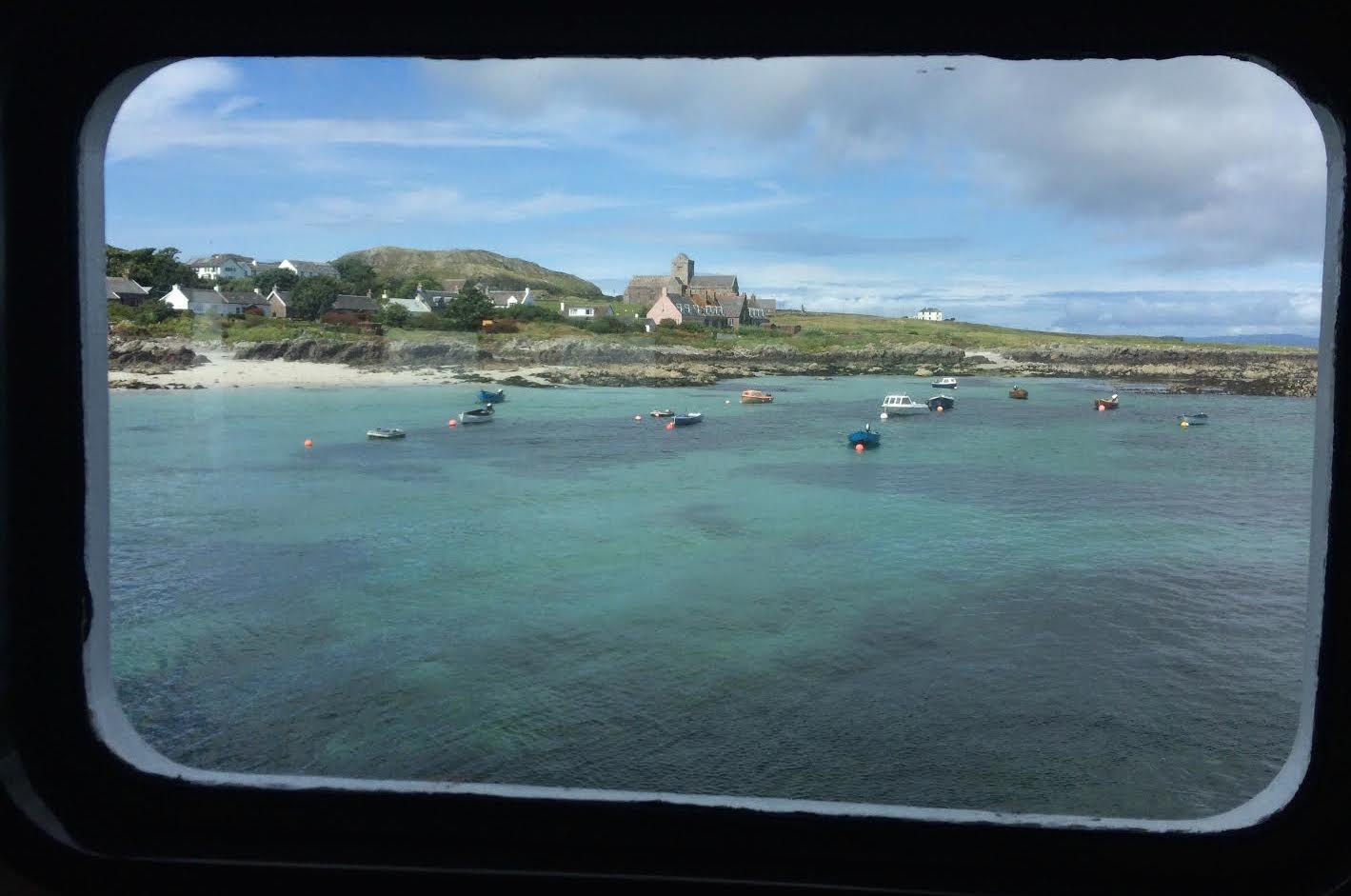
“This is the view from my ferry to the Scottish island of Iona.” We posted other out-of-the-ordinary views on Friday. Many more after the jump:

Mutianyu-China

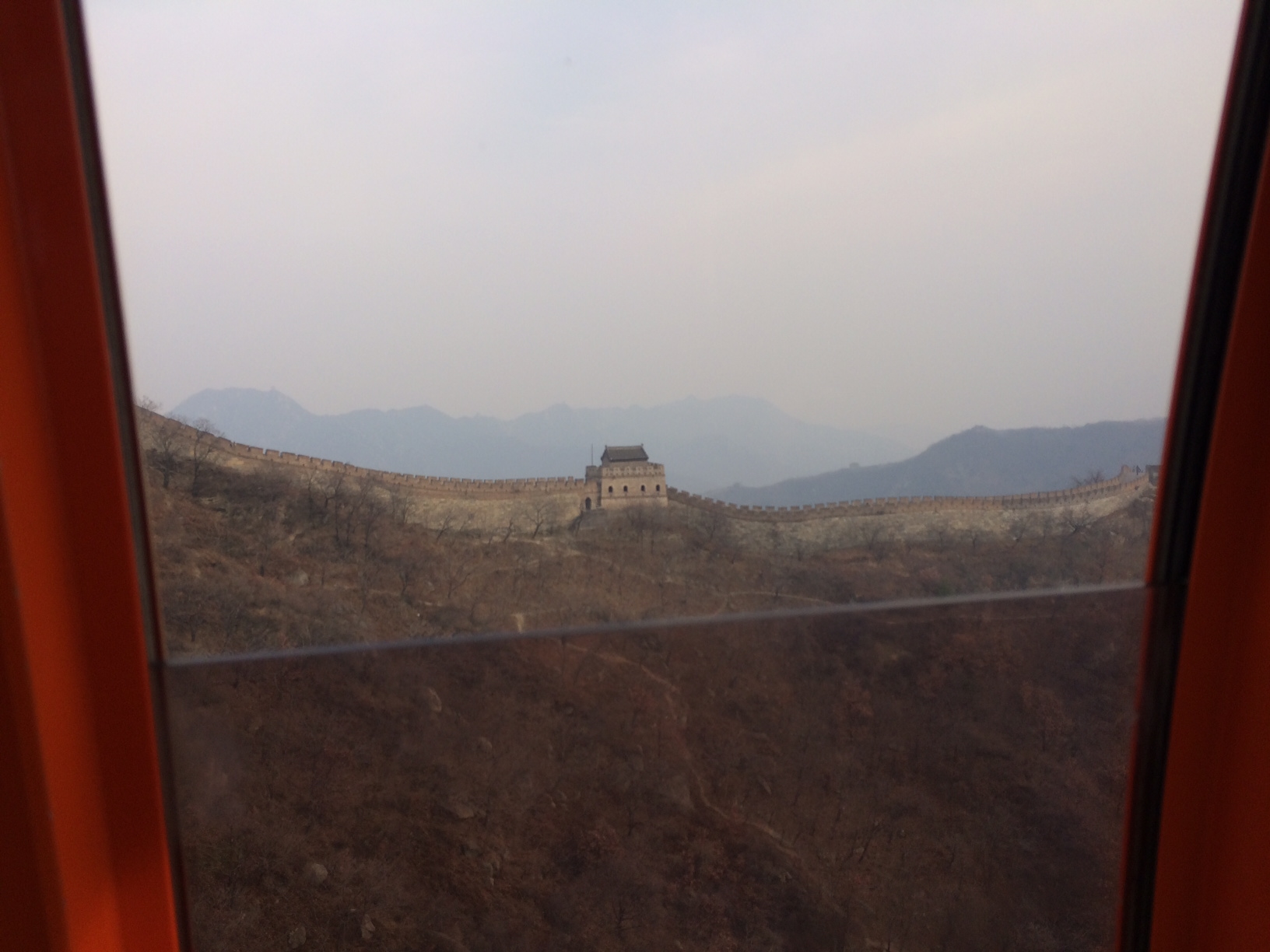
Air Tram, Mutianyu, China, 2.30 pm

Huntington-Lake-CA

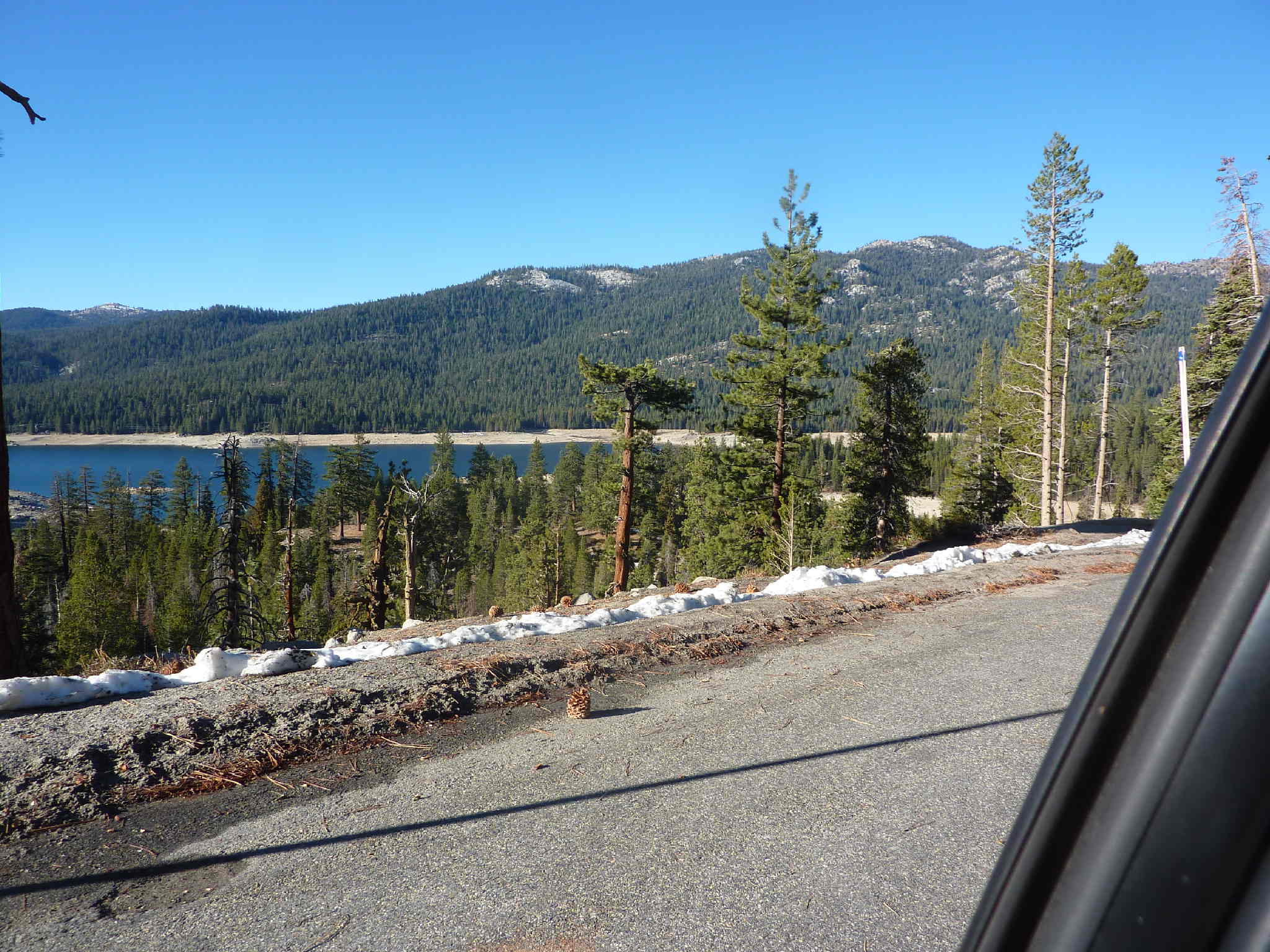
Huntington Lake, California, 2.35 pm

Snowmass-Creek-Colorado

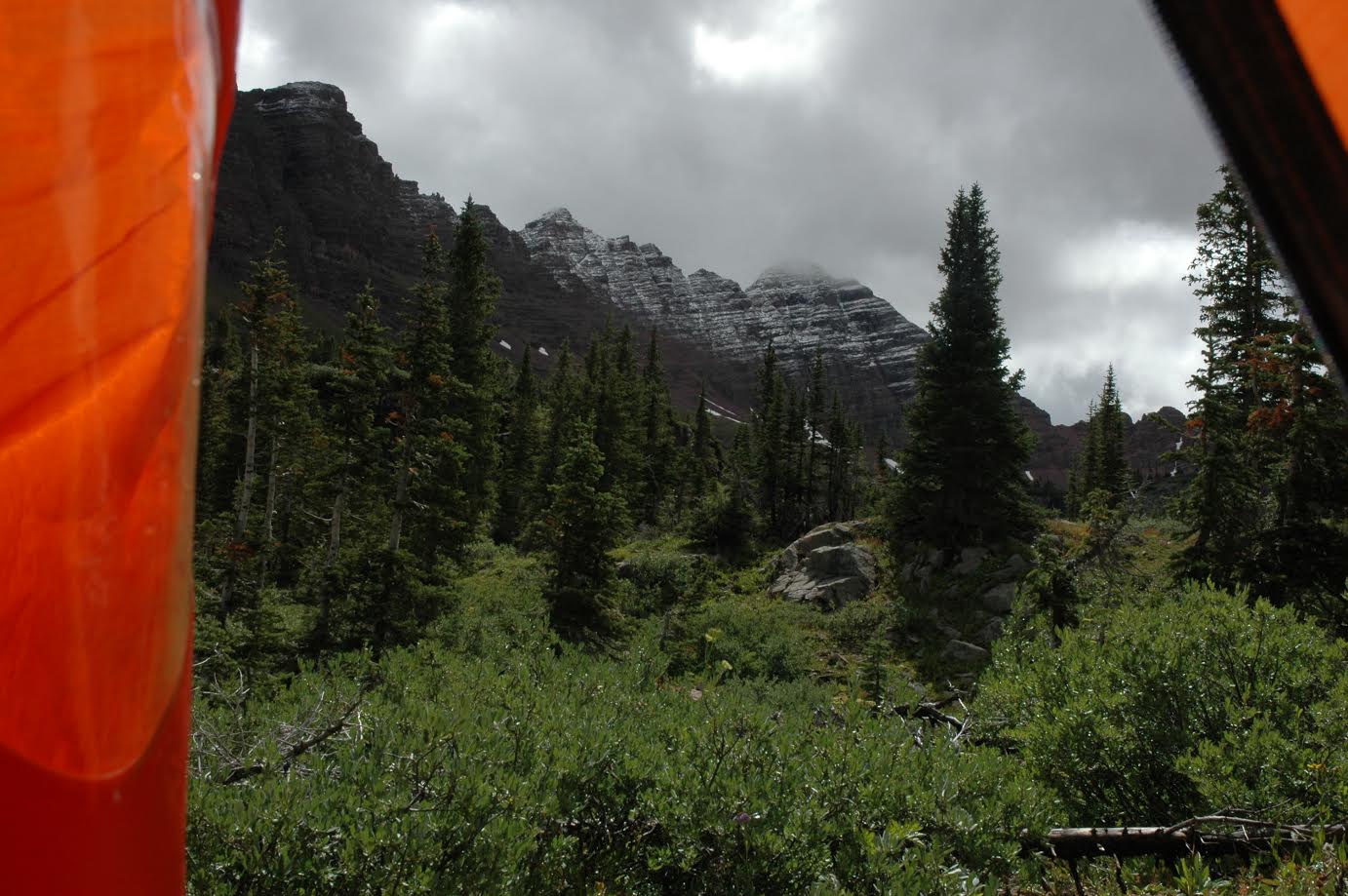
Snowmass Creek, Colorado, 10 am

sea-of-cortez

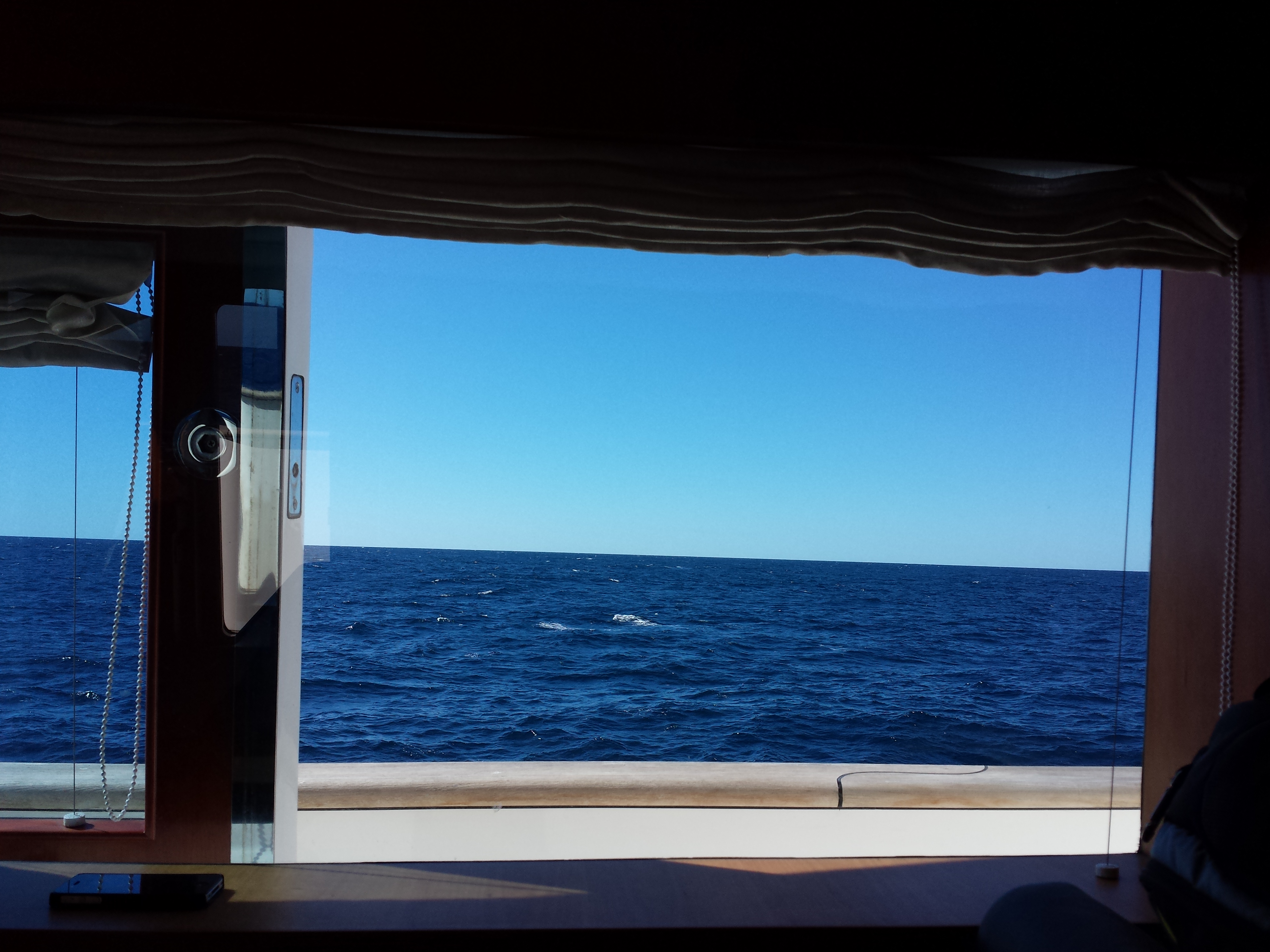
Sea of Cortes, 10.30 am

Terlingua Ranch Lodge Texas

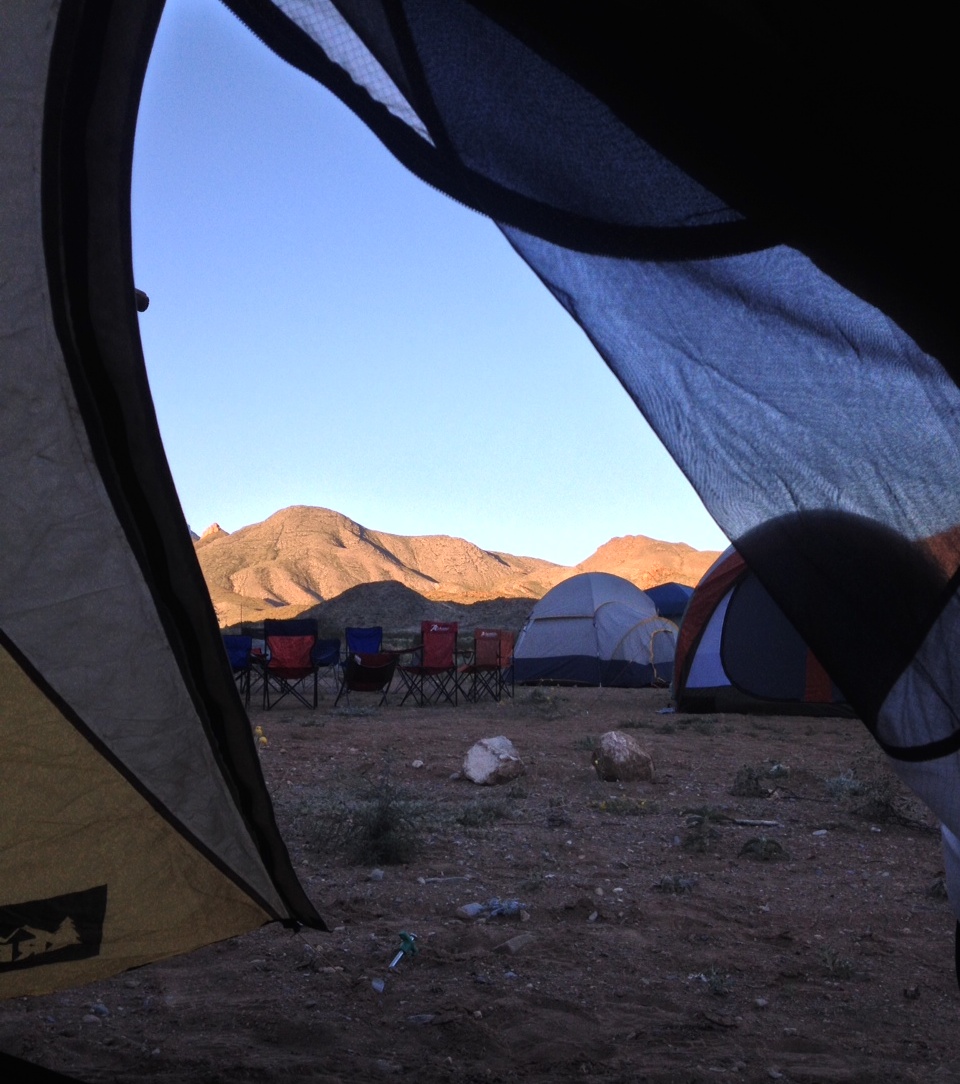
Terlingua Ranch Lodge, Texas, 8 am

image (3)

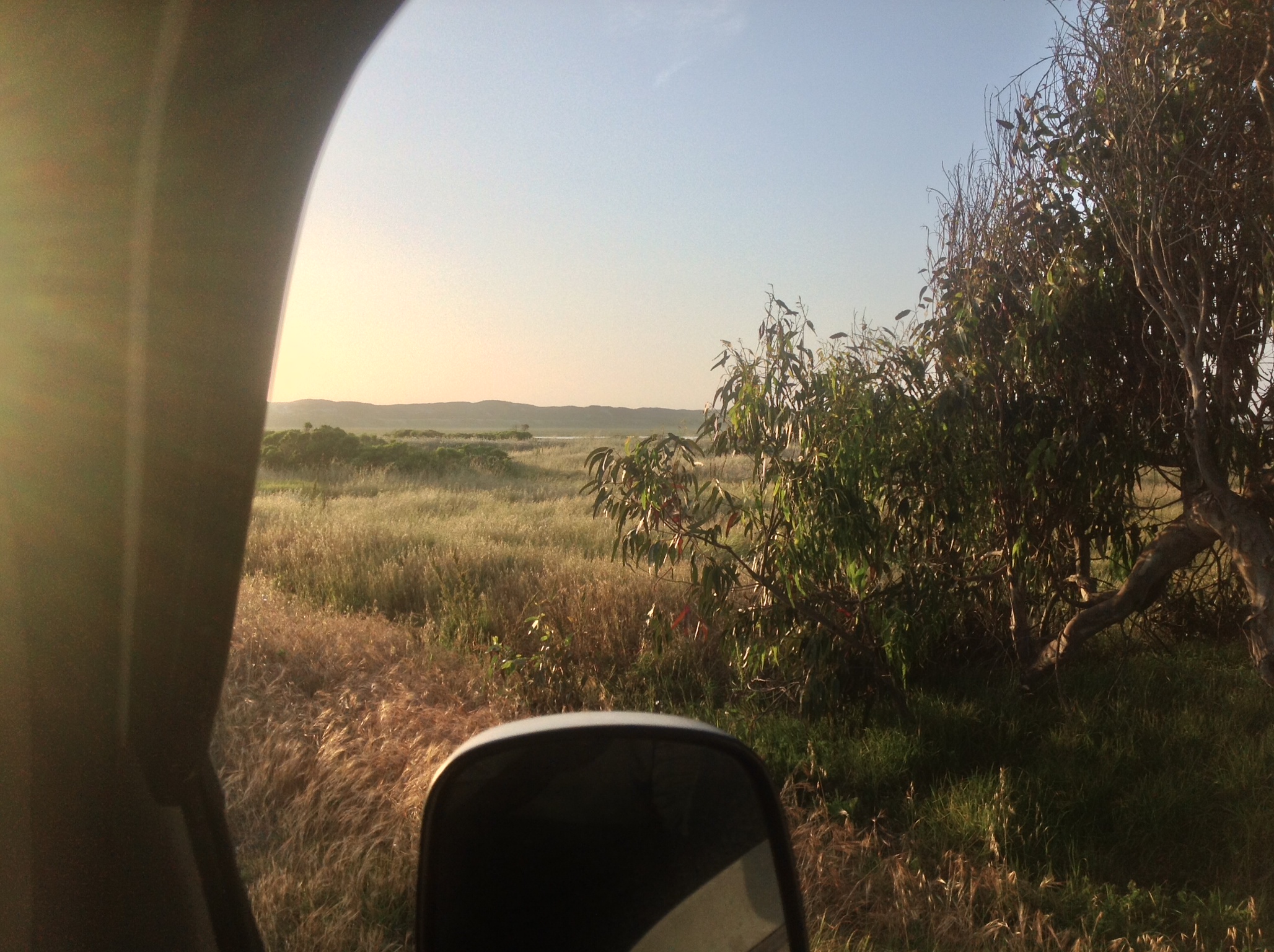
Moss Landing, California, 7:52 pm. “I don’t know if you have any rules against car windows, but this van is also my home, so I am quite sure it ought to qualify. Cheers!”

Previous views from your weirder windows here. Airplane views here.

What Drives Foodies? Ctd

Robert Appelbaum challenges John Lanchester’s recent New Yorker piece on foodie culture, writing, “there is a huge discrepancy Lanchester overlooks—a discrepancy between the culture that even a moderately paid professional like Lanchester experiences and critiques, and the culture that the majority of the people in the advanced world (probably not the kind of people who read The New Yorker) are actually experiencing”:

What is missing in Lanchester’s piece is an attempt to draw correlations. Is there not a connection between the flourishing of foodie culture—both in the media and in the business of fine dining—and the degradation of diets, labor conditions, and wages among the masses? You bet there is. Online and on television, we are regaled by a demanding food culture that rewards and celebrates star chefs, fetishizes the value of a rare and expensive meal, and finds itself eating better than ever. But this is only one face of our culture; flip the coin over, and you reveal the side that marginalizes the majority of eaters and impoverishes the majority of food workers. For this is a culture that works by generating social distinctions and segregating incomes, all in the interest of what appears to be glamorous, heroic, virtuous, and delicious efforts. There is a direct connection between foodies getting “out of hand,” and food workers living from hand to mouth.