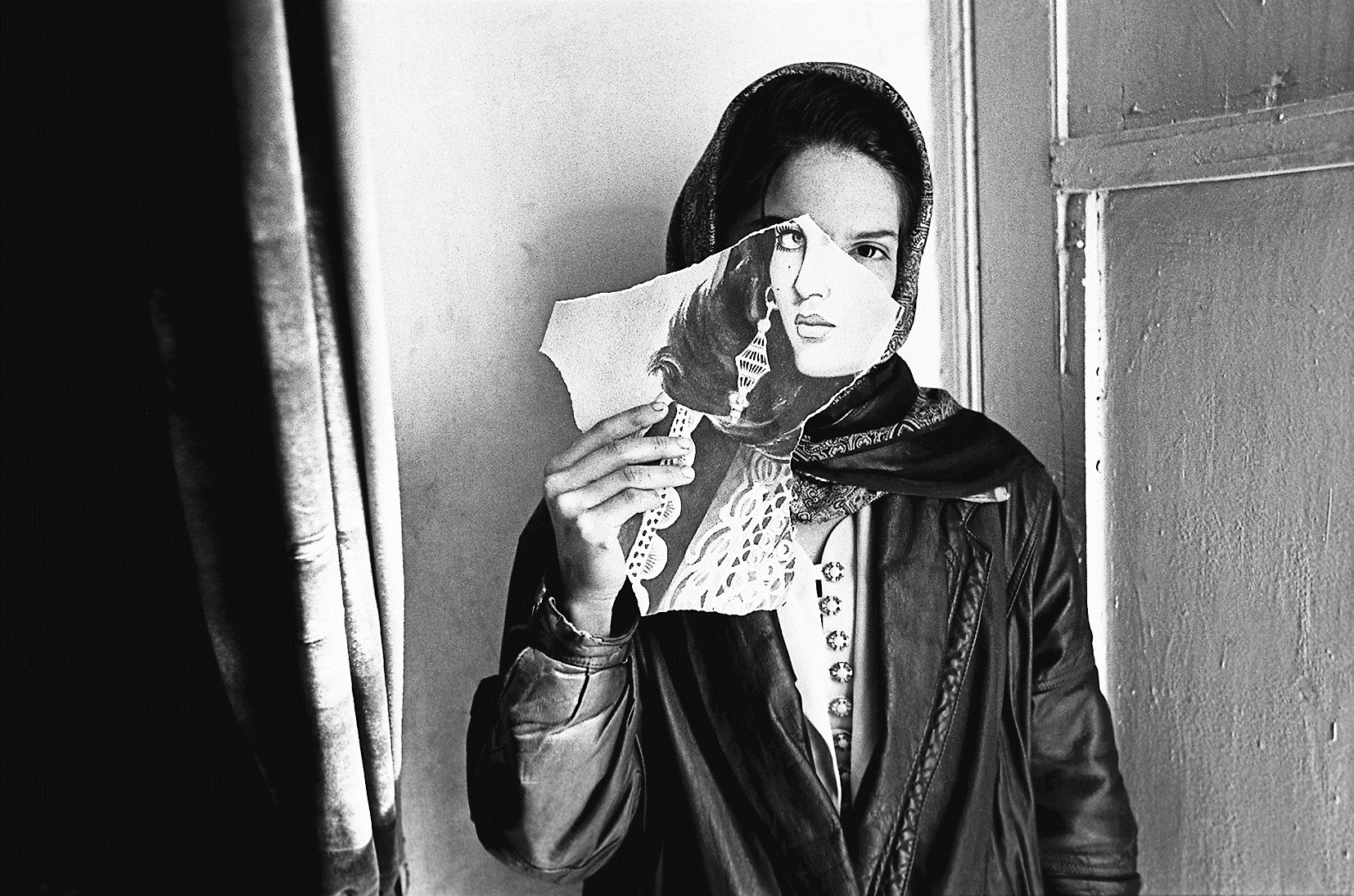
In her introduction to the collection, Griswold writes, “In Afghan culture, poetry is revered…. A folk couplet—a landay—[is] an oral and often anonymous scrap of song created by and for mostly illiterate people: the more than twenty million Pashtun women who span the border between Afghanistan and Pakistan. . . . Sometimes landays rhyme, but more often not. In Pashto, they lilt internally from word to word in a kind of two-line lullaby that belies the sharpness of their content, which is distinctive not only for its beauty, bawdiness, and wit, but also for its piercing ability to articulate a common truth about love, grief, separation, homeland, and war.”
Today and over the weekend, we’ll post sets of these landays, which Edward Hirsch, award-winning poet and President of the Guggenheim Foundation, praises for the way in which they enlarge “our sense of the work that poetry does in the world.”
On Thursday, April 3rd at 7PM, Eliza will be appearing at McNally-Jackson Books at 52 Prince Street in New York in conversation with the New York Times’ writer Elizabeth Rubin and Sonia Nassery Cole, and I will be on hand to introduce the event. Here’s the first selection from the book:
When sisters sit together, they always praise their brothers.
When brothers sit together, they sell their sisters to others.
*
My body belongs to me;
to others its mastery.
*
Don’t shout, my love, my father isn’t giving me to you.
Don’t shame me in the busy street by crying out, “I’ll die for you.”
She came every morning to draw water
Like an old bat staggering up the field:
The pump’s whooping cough, the bucket’s clatter
And slow diminuendo as it filled,
Announced her. I recall
Her grey apron, the pocked white enamel
Of the brimming bucket, and the treble
Creak of her voice like the pump’s handle.
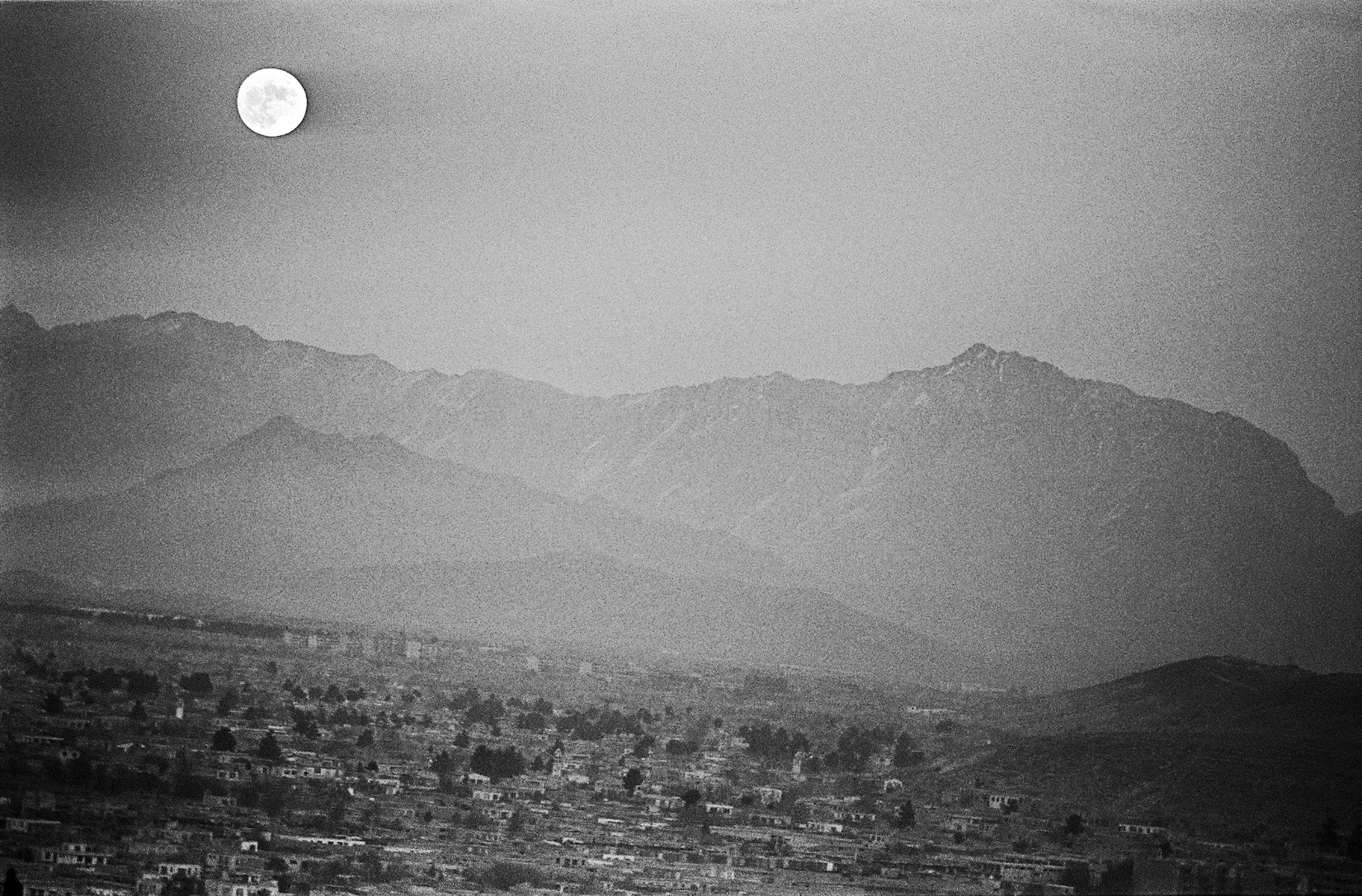
Nights when a full moon lifted past her gable
It fell back through her window and would lie
Into the water set out on the table.
Where I have dipped to drink again, to be
Faithful to the admonishment on her cup, Remember the Giver fading off the lip.
The cool that came off sheets just off the line
Made me think the damp must still be in them
But when I took my corners of the linen
And pulled against her, first straight down the hem
And then diagonally, then flapped and shook
The fabric like a sail in a cross-wind,
They made a dried-out undulating thwack.
So we’d stretch and fold and end up hand to hand
For a split second as if nothing had happened
For nothing had that had not always happened
Beforehand, day by day, just touch and go,
Coming close again by holding back
In moves where I was x and she was o
Inscribed in sheets she’d sewn from ripped-out flour sacks.
No one alive wrote more eloquently about the art and the poets who meant the most to him: George Herbert’s “daylight sanity and vigor,” “the pure consequence of Elizabeth Bishop’s style,” “the bareface confrontation of Patrick Kavanagh’s,” “the crystalline inwardness of Emily Dickinson, ” “the visionary strangeness of Eliot,” Frost loved for “his farmer’s accuracy and his wily down-to-earthness,” Gerard Manley Hopkins “for the intensity of his exclamations, which were also equations for a rapture and an ache I didn’t fully know until I read him…”
Most of these quotations are drawn from his Nobel acceptance speech so characteristically titled “Crediting Poetry,” in which he wrote “I credit it because credit is due to it, in our time and in all time, for its truth to life…To begin with, I wanted that truth to life to possess a concrete reliability, and rejoiced most when the poem seemed most direct, an up-front representation of the world it stood in for or stood up for or stood its ground against.”
“The redressing effect of poetry,” he wrote, “comes from its being a glimpsed alternative, a revelation of potential that is denied or constantly threatened by circumstances… Its projections and inventions should be a match for the complex reality which surrounds it and out of which it is generated.”
We’ll be posting poems by Seamus Heaney in tribute to him today and in the days ahead, beginning with the first poem, “Digging,” from his debut volume, Death of a Naturalist, published in 1966:
Between my finger and my thumb
The squat pen rests; snug as a gun.
Under my window, a clean rasping sound
When the spade sinks into gravelly ground:
My father, digging. I look down
Till his straining rump among the flowerbeds
Bends low, comes up with twenty years away
Stooping in rhythm through potato drills
Where he was digging.
The coarse boot nestled on the lug, the shaft
Against the inside knee was levered firmly.
He rooted out tall tops, buried the bright edge deep
To scatter new potatoes that we picked
Loving their cool hardness in our hands.
By God, the old man could handle a spade.
Just like his old man.
My grandfather cut more turf in a day
Than any other man on Toner’s bog.
Once I carried him milk in a bottle
Corked sloppily with paper. He straightened up
To drink it, then fell to right away
Nicking and slicing neatly, heaving sods
Over his shoulder, going down and down
For the good turf. Digging.
The cold smell of potato mould, the squelch and slap
Of soggy peat, the curt cuts of an edge
Through living roots awaken in my head.
But I’ve no spade to follow men like them.
Between my finger and my thumb
The squat pen rests.
I’ll dig with it.
This slow, unearthly spell of standing
still.
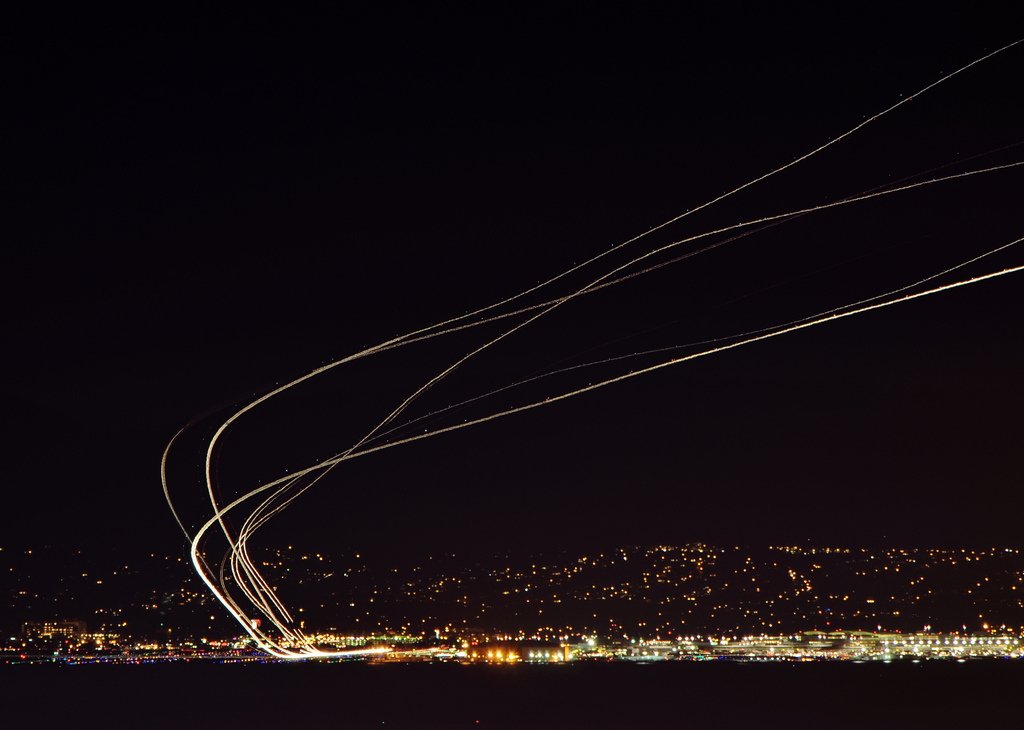
Not to trade places with, or envy
those flying overhead at night, passing
in a shriek of polished and cold metal,
jostling each other in a mysterious
light.
Not to set out again. To spend each
evening
among familiar tokens, making
a barren speech before the stars.
Keeping close watch
over Time’s steps. To bring to an end
all that is loved and rare
with an unhurried hand and a shattered
heart.
This week, we’re excited to hold aloft poems from beautiful volumes brought out by Tavern Books of Portland, Oregon and Salt Lake City with this mission:
In addition to reviving books that have fallen out of print, we seek to build a catalog of poetry in translation from the finest writers of our modern era.
Out of appreciation for these goals and the unerring taste embodied in the books published thus far, we are posting three poems this week from the Tavern list and direct readers of The Dish to the Tavern Books site to learn more about their efforts. The first selection is “I’ll Protect Myself” by Leonardo Sinisgalli:
I’ll protect myself from the quick wind
Dusting the piazza light
On the tops of the poplars.
In the quivering pause a swarm
Of leaves climbs the brow of the wall
And thrashes there, a voice
Aching in me all night long.
Again I feel the sad
Vocation to exist,
Dying to seek myself in every place.
 The Dish