The Hunker Mindset, Ctd

milksandwich

A lot of readers can relate to this state of mind:

​My daughter, who is a graduate student in England, says that the rush to buy bread, milk, and eggs before a storm is referred to there as “the French toast panic”.

Another suggests a different meal:

On one level, I can see this as a reasonable approach; with those three staples, you can make a reasonable meal of toast and omelet, providing you have power or a working cooking surface (like a propane grill). You can even keep them fresh in a power outage by simply putting them out in the snow by your door.

I think the urge to get these particular supplies is strongest in a certain age group: those who grew up in the Depression through the early 1950s, when such commodities were delivered daily to your door … and a major storm could halt deliveries for a few days.

A few more readers sound off:

It’s not about hunkering down. It’s about milk, bread, and eggs being items that have to be bought frequently.

I don’t need to make the pre-storm run on canned goods because I already have them. We have tons of soups and other canned goods because we stock up on those at Costco precisely because they have a long shelf life. Milk doesn’t have a long shelf life, so I run out of it and do need to pick some up every week. Plus my picky two-year-old might fight me on the non-perishable items, but she will always drink milk, so I know she is at least getting some nutrients.

Another turns south:

Watching the cable news channels yesterday afternoon, I seriously kept getting the urge to run out and buy emergency supplies … and I live in Palm Springs. It reminded me of my time living in Miami and the contagious panic-shopping people would do before hurricanes. I had gone to the drugstore on my lunch break (on a gorgeous sunny afternoon) and they were completely out of toilet paper. When I asked the cashier why, she replied “Because of Frances.” I said “Who is Frances?”, thinking it was a woman who hadn’t shown up for her shift or something. “No! The hurricane!” she told me. Frances was still at least three days out in the Caribbean, but people were already panicking … not just buying a few supplies, but stocking up like it was the apocalypse. Of course, I spent the afternoon driving to various stores until I found some TP for myself.

Update from a reader:

I am glad to know that I am not the only person with the hunker mindset.  And I admit storms aren’t the only thing that cause me to panic.  All I have to do is read a post-apocalyptic novel, which not only makes me feel inadequately stocked, but completely ill-prepared for a dramatic lifestyle change.  After finishing Station Eleven (an account of the world after a devastating flu wipes out 99% of the population) and the last segment of David Mitchell’s Bone Clocks (which describes in vivid detail the struggles of living in a society where there is no power), I desperately needed a trip to Costco to buy every basic good I could find.  I’m embarrassed to admit I did “hunker down” buying extra batteries, extra soap, extra ibuprofen, extra Neosporin, extra toilet paper – never mind that most of this stuff will go bad in a few years, and be depleted in no time if there ever really is a societal breakdown (assuming I don’t get raped, pillaged and murdered first).

My husband just shakes his head at me (rightly so).  But, no doubt – it made me feel better even though I know the feeling of being “safe” is only illusory.
And Then They Came For The Gays

02541-x700

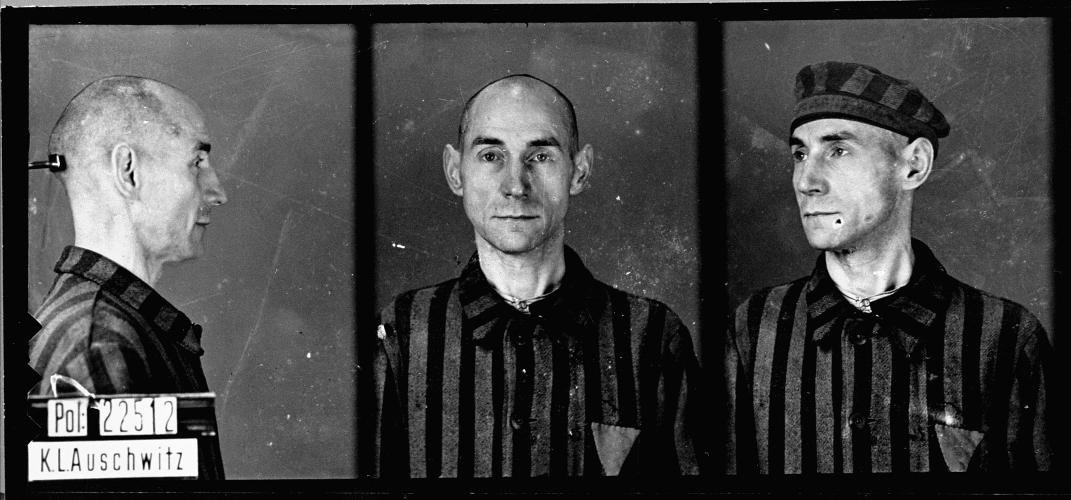
Liam Hoare reflects on yesterday’s 70th anniversary of the liberation of Auschwitiz:

Whether at the cement plant in Sachsenhausen, the underground V2 rocket factory in Buchenwald, or the stone quarry at Flossenbürg, homosexuals were subject to deadly assignments and a scarring, bone-shattering system of punishments. Sixty percent of gay internees died in the camps.

For those who remained alive, humiliation was an inevitable part of daily life. The Polish LGBTQ rights activist Robert Biedroń notes that homosexuals in the camps “were forced to sleep in nightshirts and to hold their hands outside the covers,” ostensibly in order to prevent masturbation. In Flossenbürg, homosexuals were required to visit female prostitutes—Jewish and Roma prisoners from a nearby camp—as a form of treatment. “The Nazis cut holes in the walls through which they could observe the ‘behavior’ of their homosexual prisoners,” Biedroń writes.

(Photo: Mug shot of homosexual Auschwitz prisoner August Pfeiffer, servant, born Aug. 8, 1895, in Weferlingen. He arrived to Auschwitz Nov. 1, 1941, and died there Dec. 28, 1941. From the State Museum of Auschwitz, Oswiecim, Poland)

The Meaning Of ’90s Sitcoms, Ctd

Readers keep the thread going:

In discussing how the sitcom Friends dealt with homosexuality, it is important to note Episode 11 of Season 2, which was titled “The One With The Lesbian Wedding”. It’s funny that even though it was 1996 there was no mention of “commitment ceremonies” or “domestic partnerships”. It was a wedding, plain and simple, no questions asked.

A few more readers delve deeper into that episode and others:

Yes, Chandler at times goes too far in some of his jokes and comments – and actual living.  But he also has an incredibly endearing relationship with Joey that he is never afraid to express – largely through hugs, but also through actual words. Their love may not be sexual, but it is real, and unconditional – a bromance not really rivaled until JD and Turk on Scrubs. I know it’s not the same – but Friends does show a tight, healthy friendship between two guys without fear of homophobic reactions. And Chandler continues to evolve, especially after he gets married, embracing his less-than-“manly” side and not making the same kind of jokes.

Also, Friends was the show that featured a gay wedding – and did not play it for laughs.

Ross even had to talk this former wife into going through with the ceremony after her parents didn’t support it.  And then, he walked her down the aisle.  Yes, Phoebe did have one laugh line during the ceremony, and yes, Chandler also has his comment, but the relationship was presented as real and loving throughout the entire series. Carol and Susan raised Ben (based on the number of scenes Ben was in with Ross, we can only assume that Carol and Susan had main custody), and that was never, ever brought up as a bad or weird or odd thing.  It just was.  The harshest comments about Carol and Susan came with a jealous Ross who was still in love with Carol.  But, again, he’s the one who convinced her to go through with the ceremony.

Watch a great moment with Susan and Ross above. Another reader:

Friends put forward a “new” type of family long before Modern Family was a gleam in anyone’s eye. It showed Ross as being hurt and confused, but ultimately loving and respectful. It showed incredible sympathy for Carol, who was clearly understanding of the pain she caused Ross, but also confident and free. AND, most importantly, it showed sympathy and respect for Susan, who could have easily been portrayed as the lesbian homewrecker. All of this in 1994 – you know, the same year President Clinton was fighting to make the military safe from gay men and women coming out of the closet.

So yeah, Chandler and Joey make a few jokes (anyone who honestly thinks these two were written as models for how men should behave should really step away from their TVs for a while). And maybe we shake our heads at them now, the same way we do Eddie Murphy routines, Mel Gibson movies, and countless others. But to write that piece with no acknowledgement whatsoever about what Friends did in showing gay characters at a time when it was not as safe (or profitable) to do so, is just wrong.

Another notes about one of the creators of Friends:

I personally know David Crane.  He is an out, proud gay man, and always has been.  I met him BEFORE Friends was created. That show is homophobic? Bullshit.

The View From Your Blizzard

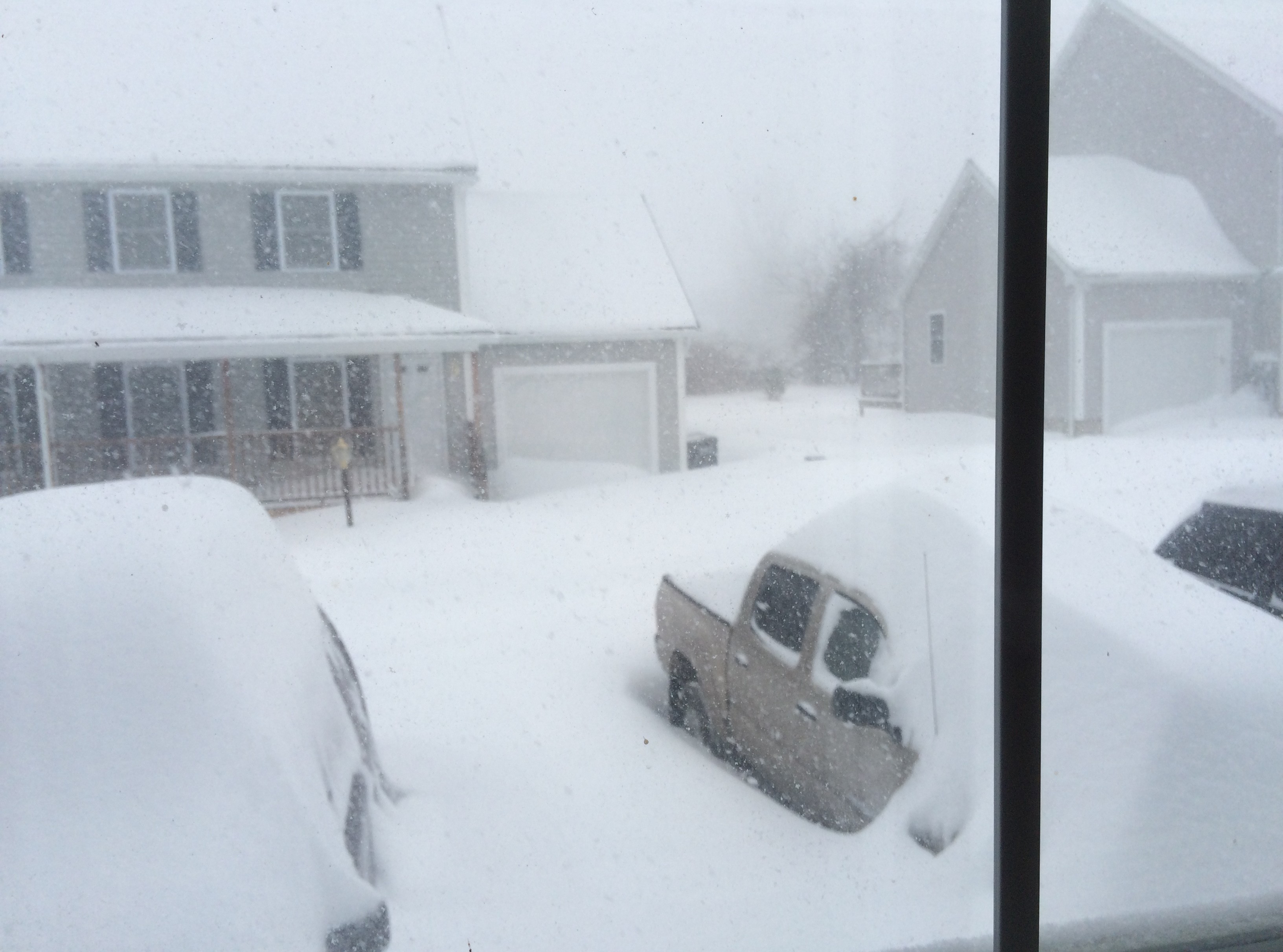
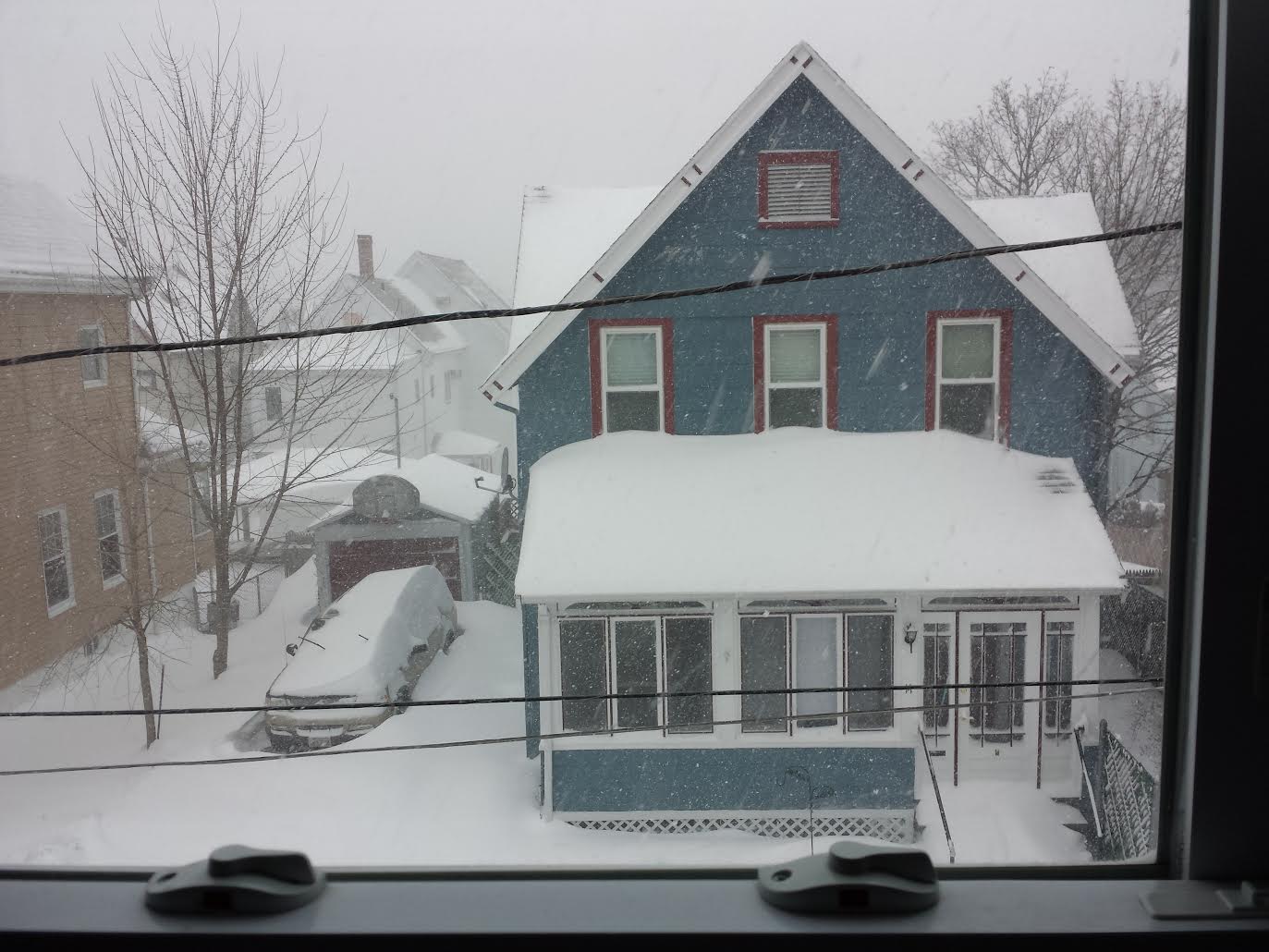
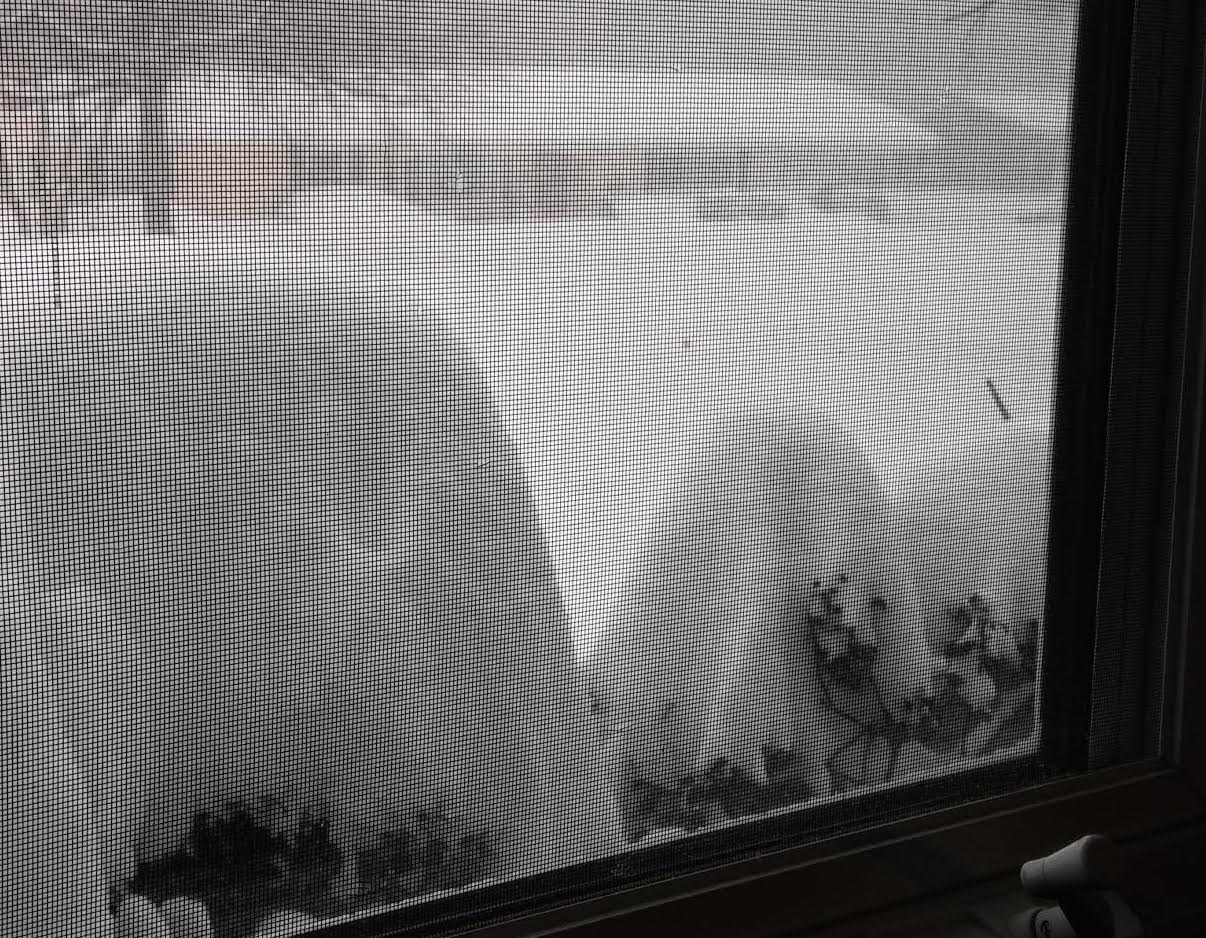
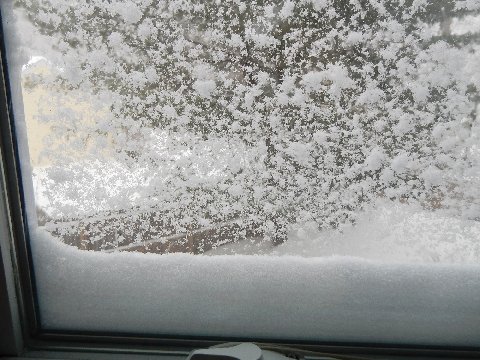
Littleton, Massachusetts, 9.20 am. Many more below:

Malden MA-1140

Malden, Massachusetts, 11.30 am

Framingham, MA. 9-10 AM

Framingham, Massachusetts, 9.10 am

FullSizeRender (1)

Cambridge, Massachusetts, 12.20 pm

IMG_444068485

Topsham, Maine, 11.30 am

Concord, New Hampshire-938

Concord, New Hampshire, 9.38 am

Portland-Maine-317pm

Portland, Maine, 3.17 pm

IMG_1207

Hull, Massachusetts, 9.30 am

unnamed (35)

“Okay, fine, it’s not really the view from my window. Just a cranky NYer. Martial law for 8″ of snow – thanks, de Blasio.”

Will Marriage Equality Remain A Wedge Issue?

Sargent spots a divide in the GOP presidential field:

Marco Rubio, Mitt Romney, and Jeb Bush are calling for respect for the courts’ decisions on this matter and/or respect and understanding for people on both sides of the issue. But Ted Cruz and Bobby Jindal are suggesting continued resistance; both have talked about a Constitutional marriage amendment.

He wonders how this will impact the primaries:

Candidates who are striving for (relative) moderation on gay marriage, such as Bush, Rubio, and Romney, are framing their position as rooted in conservative values: Respect for the rule of law and/or for those (even gays and lesbians) who want to enshrine lifetime commitments to one another. Will that assuage GOP primary voters?

Perhaps, as Ross Douthat has suggested, continued resistance wouldn’t gain any traction among Republican primary voters in any case, largely because even many religious conservatives think this cultural battle is already lost. But if opposition to marriage equality does indeed remain deep among evangelicals, it could prove a tempting exploitation target indeed for the likes of Cruz and Jindal.

Whatever happens, Suderman expects that this will be last election where marriage equality is a factor:

Depending on who wins the Republican primary, that debate will probably bleed into the general election campaign to some degree, although I wouldn’t expect it to be a major issue, unless the GOP candidate really fumbles the response or decides to make it a major issue—which, given the way the polls are running, is probably not a great idea.

After that, however, I suspect that it will be over. Not over in the sense that no one in America ever speaks a word in opposition to gay marriage again, but over in the sense of it being a meaningful political issue. As Ross Douthat has suggested (and as Sargent notes), evangelicals may simply view the fight as lost and decide to let the issue rest.

But more than that, Republican candidates are likely to have a harder time generating support by opposing gay marriage, because there are likely to be fewer and fewer Republican voters who oppose it.

Face Of The Day

Commemorations Are Held For The 70th Anniversary Of The Liberation Of Auschwitz

A member of an association of Auschwitz concentration camp survivors walks through the infamous entrance gate in Oswiecim, Poland after laying wreaths with other members at the execution wall on January 27, 2015. International heads of state, dignitaries, and over 300 Auschwitz survivors are attending the commemorations for the 70th anniversary of the liberation of Auschwitz by Soviet troops on 27th January, 1945. Auschwitz was among the most notorious of the concentration camps run by the Nazis during WWII, and whilst it is impossible to put an exact figure on the death toll, about a million people lost their lives in the camp, the majority of whom were Jewish. By Sean Gallup/Getty Images.

How Netanyahu Is Harming Israel, Ctd

Goldblog pulls his hair out over Bibi’s absurd decision to treat Obama as an adversary and try to sabotage the Iran deal:

Israeli prime ministers [have] two main tasks. The first is to protect their country from existential threats. The second: To work very hard to stay on the good side of the president and people of the United States.  Success in accomplishing this first task is sometimes predicated on achieving this second task.

Israel has been, for several decades, a bipartisan cause in Washington. Bipartisan support accounts for the ease with which Israeli prime ministers have historically been heard in Washington; it accounts for the generous aid packages Israel receives; and it also explains America’s commitment to maintaining Israel’s qualitative military edge. Netanyahu’s management of his relationship with Obama threatens the bipartisan nature of Israel’s American support.

Most of all, Jeffrey insists that

It is immaterial whether an Israeli prime minister finds an American president agreeable or not. A sitting president cannot be written off by a small, dependent ally, without terrible consequences.

Michael Koplow made a similar argument last week. Corn elaborates on the shortsightedness of Bibi’s actions:

Netanyahu is choosing sides and embracing the folks whom most American Jews oppose. He is butting into US politics and enabling the never-ending Republican campaign to undercut a president widely supported by American Jews.

That is not good for Jews in the United States or Israel. Israeli politicians have long counted on Jewish support in the United States—and support from conservative evangelicals. Yet there have been signs that non-Orthodox American Jews are not all that happy with Netanyahu’s policies. A 2013 poll found that only 38 percent of American Jews believed that his government was “making a sincere effort to bring about a peace settlement” with the Palestinians. Close to half believed Israeli settlement construction in the West Bank was a bad idea. (Only 17 percent said it helped Israeli security.) That is, Netanyahu’s right-wing approach—even if supported by AIPAC and other American Jewish establishment outfits—was not popular with many American Jews.

And now Netanyahu is partnering up with Boehner to kick Obama in the teeth and sabotage one of the president’s top diplomatic priorities. He is essentially telling American Jews to get lost: I have no regard for the president you support and no regard for your own political needs and desires.

Larison considers the Iran hawks’ calculations:

Before [Boehner’s] invitation was announced, there was never any realistic chance that the GOP could have rounded up enough Democratic votes to override a presidential veto, so losing a few Democratic votes for a new sanctions bill isn’t that important. The Republicans can still easily pass the bill, Obama will have to veto it, and then they will raise a hue and cry about the terrible “appeasement” that they are trying to prevent. They probably would have preferred to dress up the bill’s passage as a “bipartisan” effort, but that obviously doesn’t matter to them. What matters to them is staking out a maximalist position on Iran so that they can denounce the administration for being “weak,” and having Netanyahu openly taking their side in this fashion helps them do that.

Obama’s Meetup With Modi

Modi

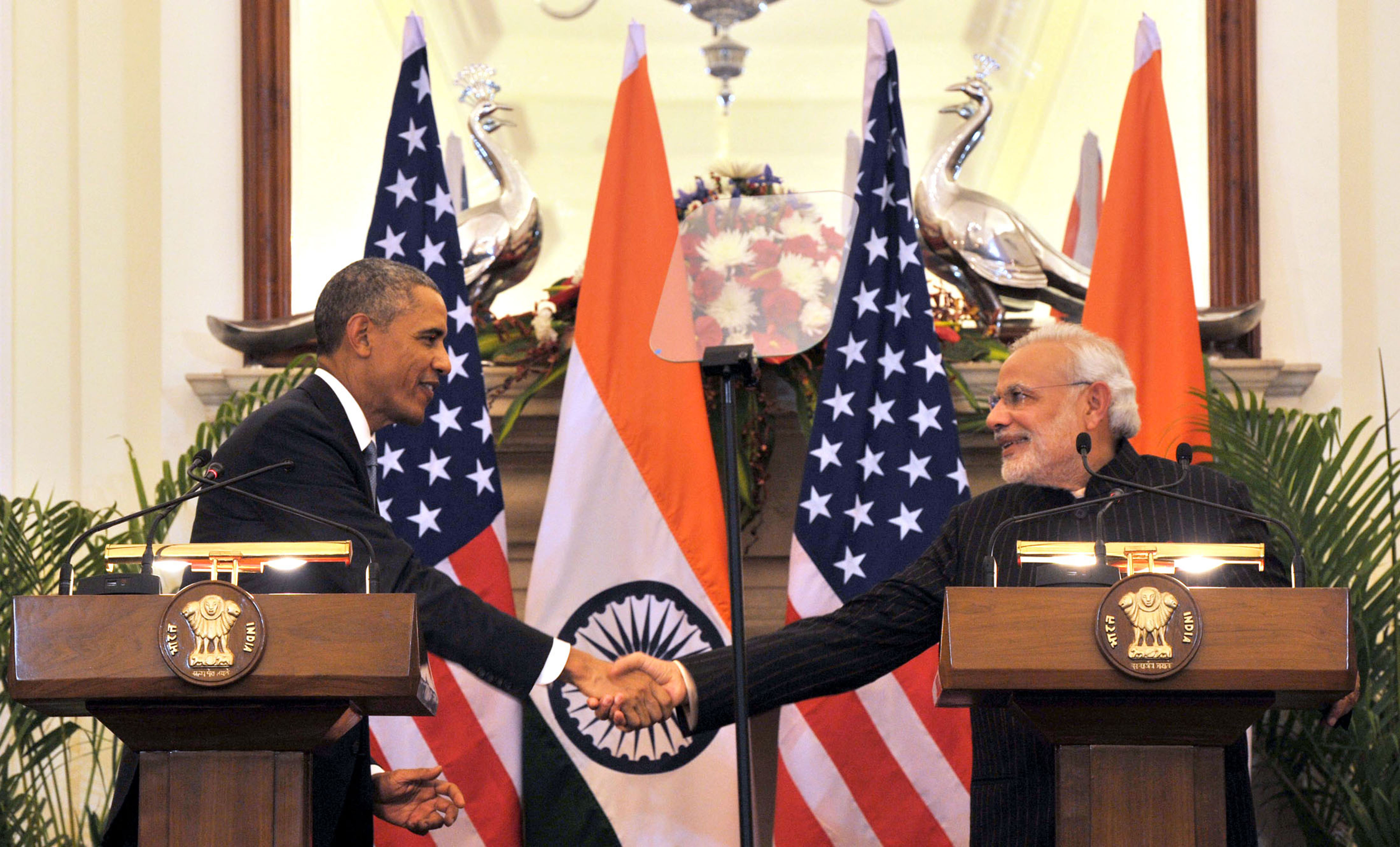
Bruce Einhorn checks in on the summit:

The visit is Obama’s second to India as president, and relations are clearly warming. The two leaders on Sunday announced a deal on civilian nuclear projects after years of delays. The U.S. will drop its insistence on tracking nuclear fuel sold to India to ensure it’s not used for military purposes, and in return the Indians will set up an insurance pool (initially funded at $122 million, with more money to come later) to shield from liability nuclear power plant suppliers such as General Electric and Westinghouse Electric.

Howard LaFranchi gets at the mutual importance of the trip Obama and Modi:

[J]ust as India figures prominently in Obama’s “rebalancing” of US interests to Asia, the United States is emerging for Modi as a key partner in his efforts to revitalize a stagnant economy and to reinforce India’s position in the region and on the global stage.

Inviting Obama to be the first US president to participate in India’s Republic Day celebrations “was Modi’s way of signaling the US really looms large in his calculations on where he wants to take India,” Mr. Tellis adds. Still, Modi is not likely to take any steps that compromise India’s tradition of a firmly independent foreign policy. How he builds closer ties with the US while preserving India’s partnership with Russia will offer clues to India’s way forward, regional analysts say.

In addition to Obama’s unprecedented attendance of the Republic Day festivities, there were also bear hugs, the symbolism of which was not lost on Harsh V. Pant:

[What’s] important is how the anti-Americanism of the Indian political class is [now] a thing of the past. Even when the NDA government under Atal Bihari Vajpayee was trying to structure a partnership with the US, and the UPA under Manmohan Singh was trying to take that forward, the anti-western hypocrisy of the Indian establishment was jarringly evident. The BJP’s old guard led the charge to make the passage of the civil nuclear deal difficult, and then worked to bring in a liability law that did so much damage to Indian interests. The Indian Left, Right and Center all colluded in this charade. Washington was needed when it came to Pakistan, Afghanistan, and China, but swords would be out if any Indian leader dared to make a case that a strong partnership was in the interest of India. All in the name of good old-fashioned non-alignment! …

Modi has put an end to that nonsense. His bear hug to Obama is a reflection of the reality that only a minority in India have been able to time and again articulate: there are no real substantive issues dividing the two countries. For sure, there are differences, but they are on tactics.

Sadanand Dhume thinks ahead:

[J]ust because the stars appear to have aligned at the moment for Obama and Modi does not necessarily mean that they will remain permanently aligned. At its core, the US bet on Modi is that he will revive India’s economy, deepen its engagement with fellow democracies, and steer clear of domestic strife. …

Nonetheless, there’s no question that Modi has forced India back on Obama’s foreign policy agenda. He has raised expectations that he is a new kind of Indian leader – unafraid to break some geopolitical crockery while pursuing his goals. If Modi continues to reform the economy and revitalise Indian diplomacy, his honeymoon with Washington will only lengthen. The consequences for India, Asia and the world could be huge.

Neil Bhatiya is impressed with the progress the two leaders made on energy and climate change:

For the U.S., Obama received assurances that India would participate constructively in building consensus toward a strong agreement in Paris later this year (where the global community will try to hammer out a successor to the Kyoto Protocol), though what that would actually look like remains to be seen. What matters is that, in the wake of the U.S.-China agreement, India is responding to shifting norms by trying to appear proactive and refraining from going out of its way to highlight historic divides between developed and developing countries over responsibility for cumulative greenhouse gas emissions. While it maintains its prerogative to place economic development on a higher pedestal that environmental sustainability in the short term (meaning it will still exploit its domestic coal reserves), over the long term it realizes it has a significant role to play in being some kind of a model of de-carbonization.

Rebecca Leber isn’t as impressed:

Obama and Modi’s announcements related mostly to clean energy, with the exception of a “breakthrough” on nuclear energy. India reaffirmed its commitment to phase out hydrofluorocarbonsused in coolants and aeresolsand is seeking private investments to meet a domestic goal of producing 100,000 MW of solar power by 2022, which is 33 times more than its current rate of production. By announcing a flurry of new clean energy and finance task forces and initiatives, Obama and Modi say they are working to reduce the trade barriers between the nations.

It’s notable that, unlike China, India has made no promises to cut its emissions, and Indian officials say they won’t back away from coal. The country is also unlikely to make that promise when it submits a domestic climate plan to the United Nations by June, ahead of the Paris summit.

But Leber also understands Modi’s domestic challenges, like bringing power to 300 million people and dealing with the country’s pollution problems.

(Photo: Indian Prime Minister, Shri Narendra Modi shakes hands with US President Barack Obama. By Prabhat Kumar Verma/Pacific Press/LightRocket via Getty Images)

The Humanity In Losing A Pet

In an essay sharing how the death of her cat was easier – and better handled by caregivers – than the death of her parents, Margo Rabb recalls the end of that final trip to the vet’s office:

In Juliet’s office [at the clinic], they let me stay on their couch with Sophie’s body for as long as I wanted. My husband left work and met me there. “How long do you want to stay?” he asked me, staring at her body on my lap. “Forever,” I said. I pictured myself wandering around the city, still holding my dead cat. Maybe my friends wouldn’t notice. Maybe they’d mistake her for a fur stole. When I’d told them about Sophie’s diagnosis, weeping, sometimes I felt ashamed to admit that I felt such deep grief over a cat. I wrote in my diary: “The strange thing is it’s not dissimilar from the grief I felt for Mommy and Daddy — how the grief displaces everything, and nothing feels the same anymore.”

The experience left her looking for answers:

Was it because Sophie was an animal that her loss was easier to bear, and easier for [my veterinarians] to give comfort? Or was it luck and the lack of it, to have encountered gentle care for my cat and harsh care for my parents?

In “A Natural History of Love,” Diane Ackerman writes that pets “help bridge that no-man’s-land between us and Nature.” When I think now of Sophie’s last days, I think that, because she was an animal, her loss felt more a part of the natural order, with its inevitable seasons and cycles of life and death. Humans spend so much of our lives railing against the idea of dying, or pretending that it doesn’t exist, or dreaming of eternal youth, or wishing to prolong our lives — and maybe it’s that fighting that made the experience of my parents’ deaths feel unbearable and inhumane, and made the death of my cat seem exceptionally human.

Meanwhile, a Dish reader wrote recently:

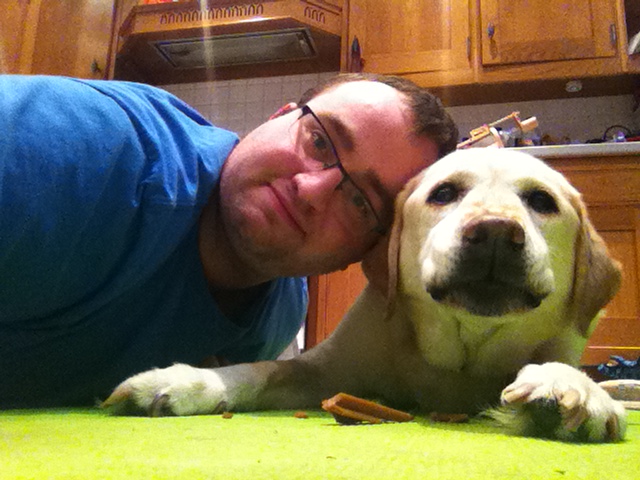
We just had to say goodbye to our 14-year-old golden lab, Honza. The experience reminded me of the wonderful thread you started in the summer of 2013 when you had to say farewell to Dusty. My wife dug out the thread and sent it to me this morning. Having read it again, with tears streaming down my cheeks, I was amazed at how similar the situation we encountered was to those of your readers and I hope by writing this it helps to dispel the grief, because it is intense. I cannot believe how hard this has hit me. I’m a northerner, for goodness sake, and am not supposed to react like this.

IMG_0262

Maybe it’s because even her name had deep meaning for us. Honza is a Czech nickname given, seemingly automatically, to anyone named Jan. In 1999 we invited into our home as an au pair a delightful young man called Jan who always introduced himself as “Honza”. He came to befriend our Asperger’s suffering oldest son and provide the companionship he was failing to find among his peers. It worked beyond our wildest expectations, and after 18 months with us he was woven into the fabric of family life. Concurrent with his departure, in September 2000, we had to let go of our first dog, Guido, whom Honza (the man) had helped nurse in his final months. My wife immediately went on the hunt for a replacement and found a golden lab puppy, funnily enough, in my home town in Lancashire. My mum brought her down south in a shoe box on her lap, and because the house seemed lacking somehow without someone calling, “Honza”, every few minutes her name was quickly established – (when Honza, the man, heard we had called a female, Honza, he christened his female cat “Andy”, but that’s another story).

IMG_0269Suffice it to say, Honza (the dog) was a great hit. Our middle son, Alex, rapidly formed a rapport with her that lasted until the end. She was, in his mind anyway, “his dog”, and she always treated him more as a fellow puppy than a human. Once she went wandering and a kindly neighbour took her in but without her collar on (for some reason), she had no idea who Honza belonged to. I’ve never seen my wife so frantic as we all headed into the night to find her. It was Alex’s shouting that she eventually responded to. Her barking led us to the right house and all ended well.

Honza also gave my wife great comfort during my all-too-frequent business trips away. In an all-male household, she felt she could watch “girlie TV” with Honza at her feet, and it was my wife who walked her the most, going for miles along trails and country paths together.

Starting last year, she had increasing trouble walking and her appetite varied. And then a tumour appeared on her left hind leg. In recent weeks, as the tumour grew and the stiffness increased, her spirit stayed buoyant and even, maybe, increased. While I was busy counselling preparedness for the end to everyone, she seemed to contradict me at every turn. We got through Christmas with our usual house full, but by New Year’s I noticed a deterioration. The accidents increased as she found it too difficult to get up. On Friday, Jan 2nd, we went out with friends. On the way back we agreed it was now only a matter of “weeks”. The tumour had grown again and was now weeping.

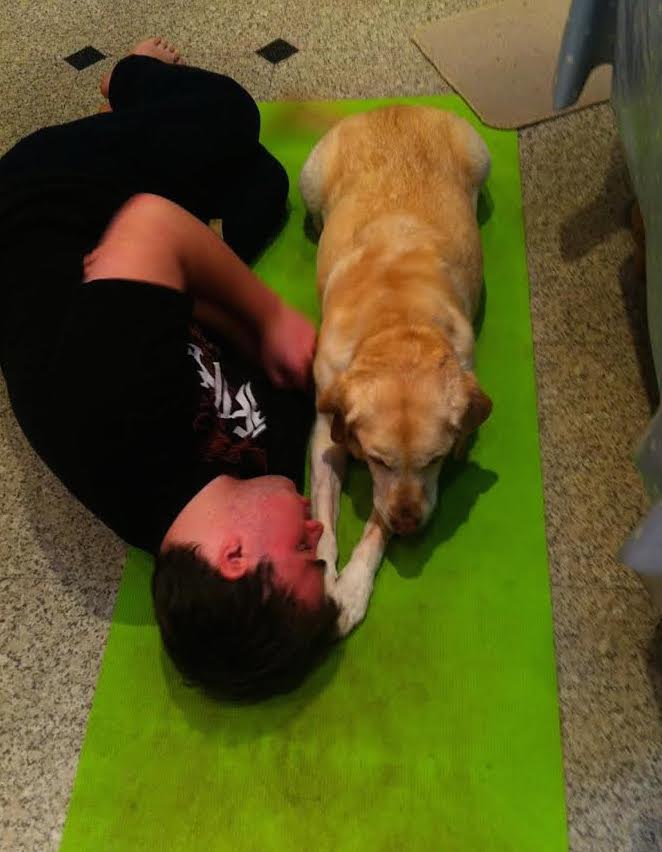
The boys took their last photos with her and she was fed her favourite snacks. Then unnamed (34)Alex carried her to the car. At the vet’s she was remarkably calm. In fact, once inside the reception area, she looked great and I commented that the vet would probably recommend we keep persevering with her treatments. However, once inside the little surgery, she could barely stand. And after the tube was placed in her veins, she just flopped down. We sat down with her as the vet administered the dose. As Honza was looking up at me and then, finally, Alex, there was a last wag of the tail. Everyone drew comfort from this last act as though she was telling us that “it’s ok”.

Several things struck me about the experience and those posted by your readers. As a bloke, I really didn’t want to be there. I’m glad I was, but my first instinct was to avoid it. One of your readers said that most women stay but only 50% of men. Maybe it’s the fear of breaking down in front of strangers, but I understand why men want to avoid it. Also, the calmness of the whole thing. To me – and I’m no David Attenborough – it was that she was with her pack. In the wild, I guess, when you can’t keep up the pack, it just leaves you behind. But Honza’s pack stayed with her. That’s why she battled on through pain and discomfort, and I’m sure she was comforted by the fact that she wasn’t abandoned at the end.

So farewell then, Honza. Your passing has saddened us all, but you will always be with us.