This Saturday, October 4th, at 4 PM, the award-winning poet Chase Twichell will be at The New York Botanical Garden in the Bronx, one of New York’s most magical places and, at 250 acres, America’s largest urban garden.
Twichell, a practicing Buddhist, will be celebrating the garden’s fall exhibition, Kiku: The Art of the Japanese Garden. She has curated a poetry walk featuring tanka and haiku by two of Japan’s renowned female poets whose work she explores on an acoustiguide tour to accompany the walk. The first is Rengetsu (known in English as Lotus Moon), who lived in the nineteenth century and was a Buddhist nun as well as a potter, expert calligrapher, and martial artist and the second Mitsu Suzuki, who was born in Japan in 1914 and moved to San Francisco in the 1960s to help her husband establish the San Francisco Zen Center.
Twichell will read their poems and poems of her own from Horses Where the Answers Should have Been: New and Selected Poems. I like thinking about how her spiritual practice is inflected in her poetry the way I long ago enjoyed pondering how Doris Lessing’s Sufism affected her fiction. We’ll post poems by Twichell this weekend.
“Paint” by Chase Twichell:
Lotions and scents, ripe figs,
raw silk, the cat’s striped pelt . . .
Fat marbles the universe.
I want to be a faint pencil line
under the important words,
the ones that tell the truth.
Delicious, the animal trace
of the brush in the paint,
crushed caviar of molecules.
A shadow comes to me and says, When you go, please leave the leafless branch unlocked.
I paint the goat’s yellow eye,
and the latch on truth’s door.
Open, eye and door.
This week the Poetry Society of America and the Bryant Park Reading Room joined forces to sponsor a tribute to the poet Jean Valentine with readings, recitations, and remarks by Catherine Barnett, Mark Doty, and Timothy Liu, and a reading of poems by Valentine herself, from her recent (and absolutely extraordinary) book, Little Boat.
Valentine is a contemporary poet who—like John Ashbery and the late Lucille Clifton—continues to inspire successive generations of poets. In 1965, her debut volume Dream Barker was chosen for the Yale Younger Poets Prize. Dudley Fitts, the selecting judge, described her in terms that still feel fresh and true today, praising her “quirky singular intelligence, a fusion of wit and tenderness, subserved by an unusual accuracy of pitch and rightness of tone.”
In 1969, Valentine published Pilgrims. Adrienne Rich’s moving words adorned the jacket, “Almost every poem is life lived at the edge, but lived by someone who is without cessation a poet.” Years and years later, after Jean had published many more volumes—and with her new book, Break the Glass, she is up to thirteen—Rich described Valentine’s poetry as one “of the highest order, because it lets us into spaces and meanings we couldn’t approach in any other way.”
Reading her delicate, tensile poems gives us steady access to the inward places, as Rich described, to what Emily Dickinson was indicating when she wrote of “internal difference,/Where the Meanings, are—“
This weekend, we’ll feature poems by Jean Valentine, starting with one from that early collection, Pilgrims, published by Farrar, Straus & Giroux in 1969 when (to give you a sense of the time) current volumes by John Berryman, Elizabeth Bishop, Louise Bogan, Randall Jarrell, Robert Lowell, Pablo Neruda, Edmund Wilson, and Derek Walcott were advertised on the back of the jacket. All these poems are available in Valentine’s Door in the Mountain: New and Selected Poems, 1965-2003.
“The River at Wolf” by Jean Valentine:
Coming east we left the animals
pelican beaver osprey muskrat and snake
their hair and skin and feathers
their eyes in the dark: red and green.
Your finger drawing my mouth.
Blessed are they who remember that what they now have they once longed for.
A day a year ago last summer
God filled me with himself, like gold, inside,
deeper inside than marrow.
This close to God this close to you:
walking into the river at Wolf with
the animals. The snake’s
green skin, lit from inside. Our second life.
It is 12:20 in New York a Friday
three days after Bastille Day, yes
it is 1959 and I go get a shoeshine
because I will get off the 4:19 in Easthampton
at 7:15 and then go straight to dinner
and I don’t know the people who will feed me
I walk up the muggy street beginning to sun
and have a hamburger and a malted and buy
an ugly NEW WORLD WRITING to see what the poets
in Ghana are doing these days
I go on to the bank
and Miss Stillwagon (first name Linda I once heard)
doesn’t even look up my balance for once in her life
and in the GOLDEN GRIFFIN I get a little Verlaine
for Patsy with drawings by Bonnard although I do
think of Hesiod, trans. Richmond Lattimore or
Brendan Behan’s new play or Le Balcon or Les Nègres
of Genet, but I don’t, I stick with Verlaine
after practically going to sleep with quandariness
and for Mike I just stroll into the PARK LANE
Liquor Store and ask for a bottle of Strega and
then I go back where I came from to 6th Avenue
and the tobacconist in the Ziegfield Theatre and
casually ask for a carton of Gauloises and a carton
of Picayunes, and a NEW YORK POST with her face on it
and I am sweating a lot by now and thinking of
leaning on the John door in the 5 SPOT
while she whispered a song along the keyboard
to Mal Waldron and everyone and I stopped breathing
I don’t remember how I hurt myself,
The pain mine
Long enough for me
To lose the wound that invented it
As none of us knows the beauty
Of our own eyes
Until a man tells us they are
Why God made brown. Then
That same man says he lives to touch
The smoothest parts, suggesting our
Surface area can be understood
By degrees of satin. Him I will
Follow until I am as rough outside
As I am within. I cannot locate the origin
Of slaughter, but I know
How my own feels, that I live with it
And sometimes use it
To get the living done,
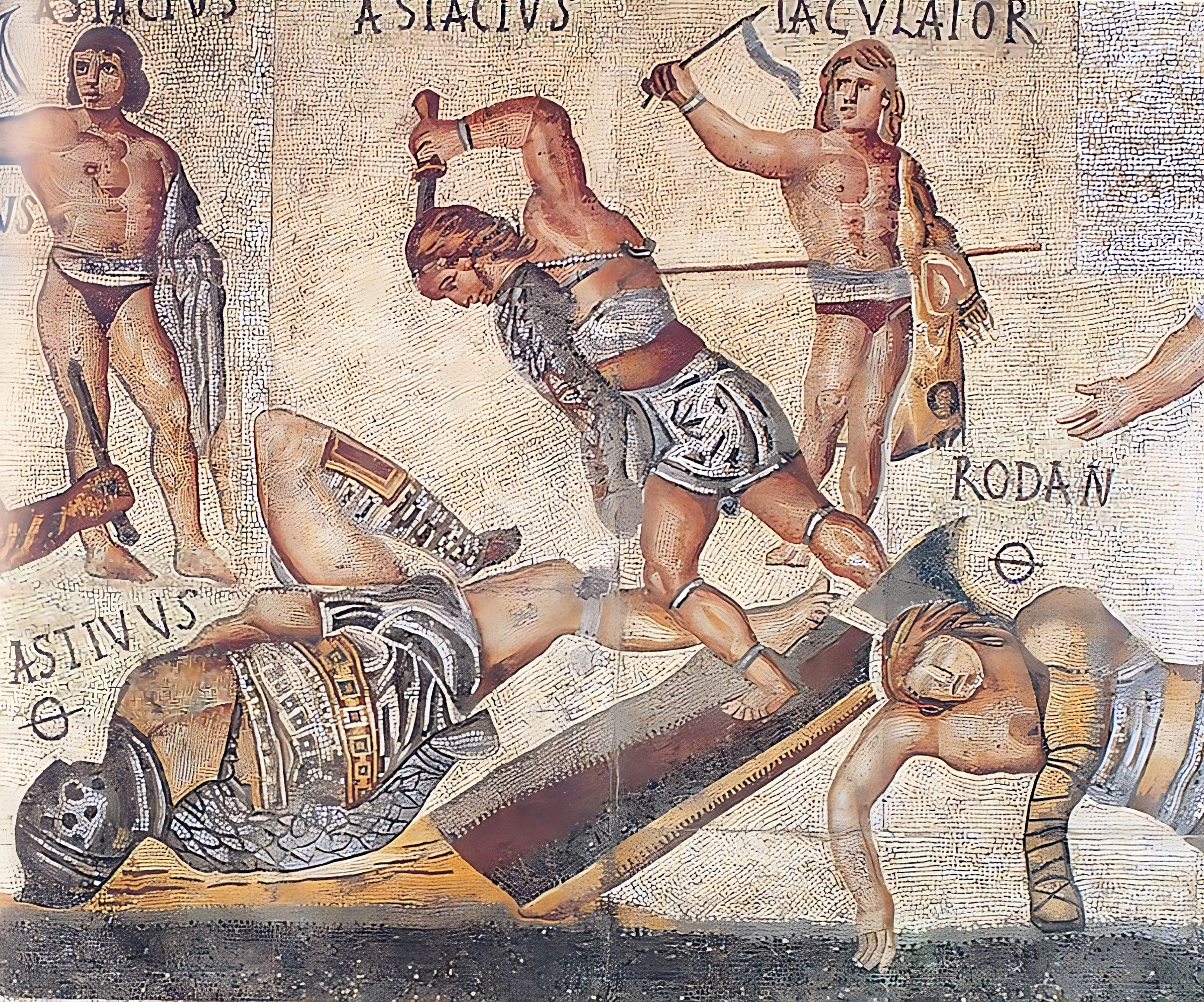
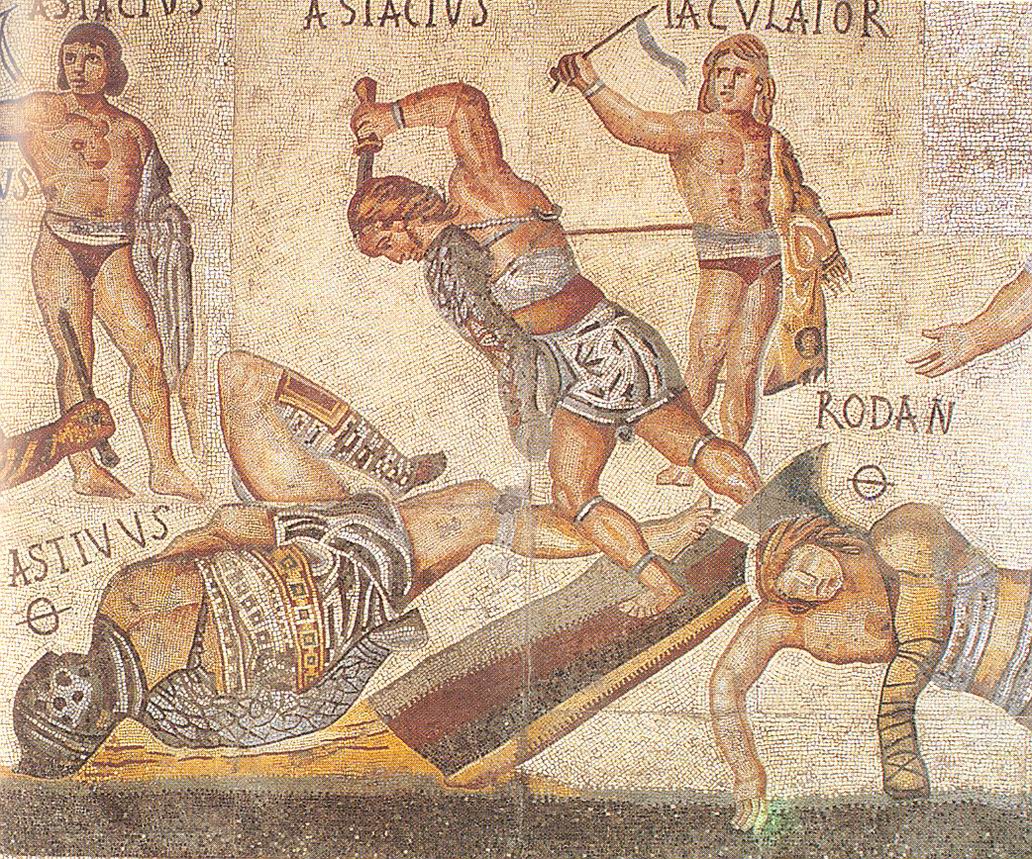
Because I am what gladiators call
A man in love—love
Being any reminder we survived.
“Julia Tutwiler State Prison for Women” by Andrew Hudgins:
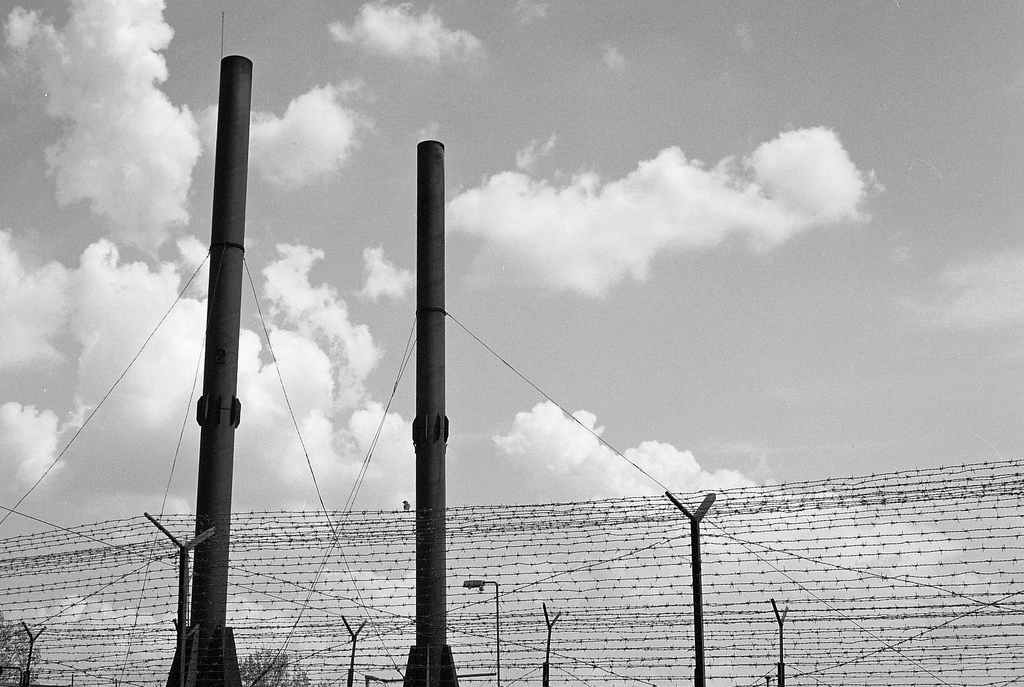
On the prison’s tramped-hard Alabama clay
two green-clad women walk, hold hands,
and swing their arms as though they’ll laugh,
meander at their common whim, and not
be forced to make a quarter turn each time
they reach a corner of the fence. Though they
can’t really be as gentle as they seem
perhaps they’re better lovers for their crimes,
the times they didn’t think before acting—
or thought, and said to hell with the consequences.
Most are here for crimes of passion.
They’ve killed for jealousy, anger, love,
and now they sleep a lot. Who else
is dangerous for love—for love
or hate or anything? Who else would risk
a ten-year walk inside the fenced in edge
of a field stripped clean of soybeans or wheat?
Skimming in from the west and pounding hard
across the scoured land, a summer rain
raises puffs of dust with its first huge drops.
It envelopes the lingering women. They hesitate,
then race, hand in hand, for shelter, laughing.
The newest in this enchanting set of books is Poems of the American South, edited by David Biespiel. We’ve drawn some gems from it for our poems this week.
From “The Ozark Odes” by C.D. Wright:
Girlhood
Mother had one. She and Bernice racing for the river
to play with their paperdolls
because they did not want any big ears
to hear what their paperdolls were fixing to say.
Dry County Bar
Bourbon not fit to put on a sore. No women enter;
their men collect in every kind of weather
with no shirts on whatsoever.
Porch
I can still see the Cuddihy’s sisters
trimming the red tufts
under one another’s arms.
Lake Return
Why I come here: need for a bottom, something to refer to;
where all things visible and invisible commence to swarm.
From the anthology, Tudor Poetry and Prose, which I praised last week, I relish the following passage about lyrics from song-books of the time:
Singing seems to have been almost universal in Elizabeth England. The countryside, the street corner, the cottage, and the tavern rang with ballads, rounds, catches . . . . The craftsman’s shop was ‘a very bird-cage’ says [Thomas] Dekker, and [Thomas] Deloney in his Gentle Craft writes that every journeyman shoemaker had to be able to ‘sound the trumpet, or play upon his flute, and bear his part in a three-man’s song, and readily reckon up his tools in rhyme.’ Among the educated, singing was a necessary social accomplishment. The breeding of a man who could not join in the song after supper, reading his part at sight, was in question.
Songs were also a staple of plays. Here’s one of my favorites by the Restoration poet John Dryden (1631-1700), born after Elizabeth’s reign and so beyond the compass (but not the influence) of the period celebrated in the anthology, appointed Poet Laureate in 1668, and buried in Westminster Abbey near Chaucer in what later became known as Poets’ Corner.





 The Dish