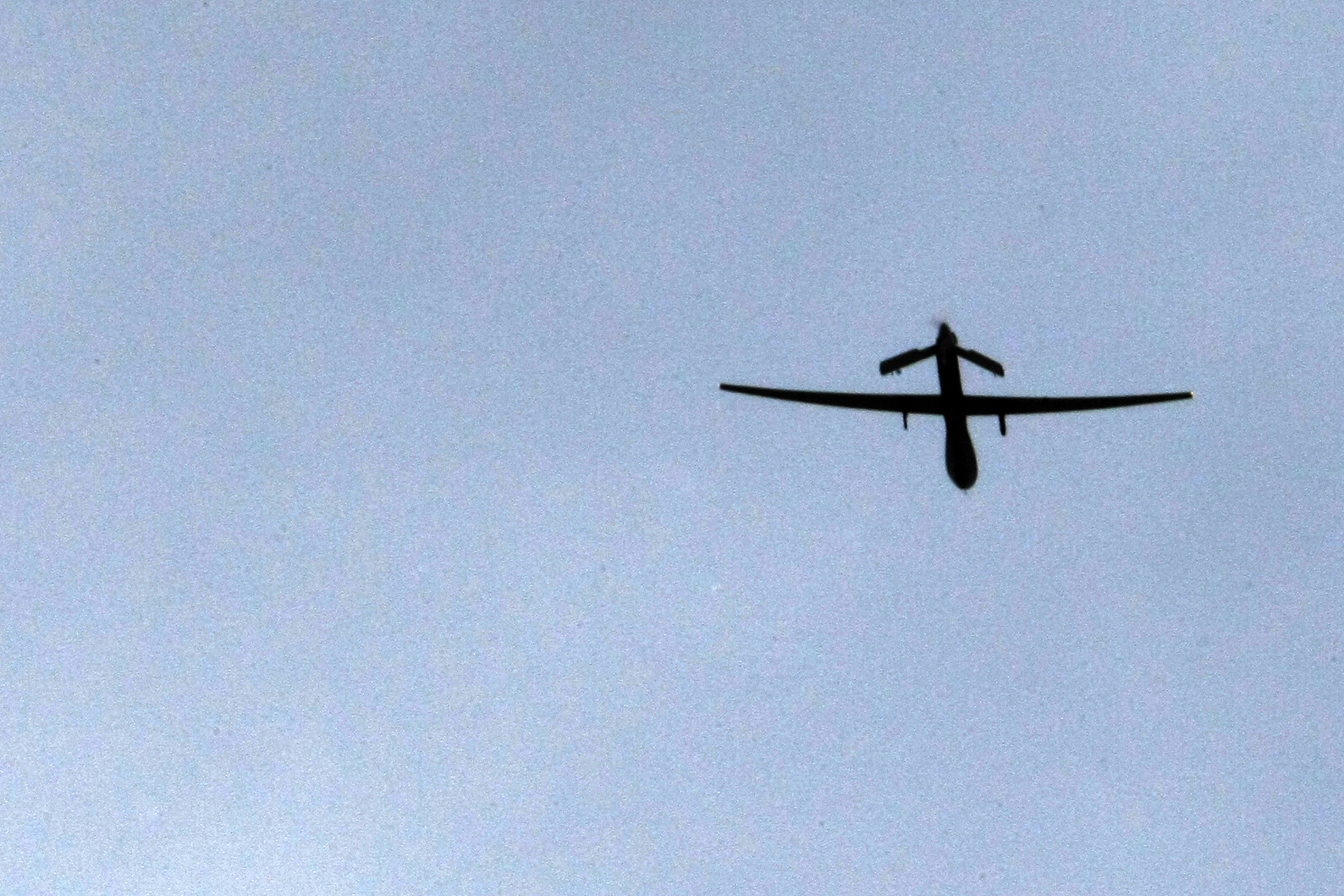
In a feature on the drone era and its ramifications, Ben Wallace-Wells touches on how military drone operators engage with their targets much more intimately than bomber pilots on manned missions do, despite working from thousands of miles away:
Pilots typically benefit from what psychologists call “the morality of altitude” — separated from their victims by thousands of feet of airspace, they tend to suffer far less post-traumatic stress than do their counterparts on the ground. But drones have collapsed that moral distance, bringing their operators into far greater intimacy with their targets. The details of how drone pilots work have, like the missions themselves, been largely classified, but by combing through unclassified medical studies of drone-operator stress, Peter Asaro of the New School has been able to pinpoint some of the changes. Asaro found that tasks that had been distributed through the military and intelligence bureaucracies (gathering intelligence on a target, conducting surveillance, weighing the risks of a targeted killing, navigating a plane, firing a missile, assessing what happened afterward) have now been concentrated, so that they are all performed by tiny teams often scattered at bases around the peacetime United States, working at night, monitoring targets halfway across the globe for whose survival or death they are responsible.
“A pilot traditionally might have to fly to a coordinate and drop a bomb, and that was it,” Asaro says. “Now a drone operator has much more intimacy. Often he has to track a subject for weeks beforehand. The access to the intelligence is much greater. Sometimes they have to do damage assessment in the aftermath of an attack — to count the bodies pulled from the rubble.”
Yochi Dreazen calls attention to the psychological toll the job takes on these soldiers:
The results of the growing number of studies examining what long-distance war does to those who fight it are stark and striking. An Air Force survey in 2011 found that 41% of the Air Force personnel operating the unmanned aircrafts’ advanced surveillance systems reported “high operational stress,” along with 46% of those actually piloting the robotic planes. … Last year, a study by the Armed Forces Health Surveillance Center found that drone operators were at “similar risk” for mental health issues like PTSD, depression, and anxiety as the pilots of the manned warplanes and other aircraft flying over Iraq and Afghanistan from bases in the two war zones because they were experiencing — even from the safety of their trailers thousands of miles away — “witnessing traumatic experiences” like the deaths of U.S. troops or the militants they had just killed by pulling a trigger on what looks like a video game joystick.
Recent Dish on drone pilots here and here.
(Photo: A US ‘Predator’ drone passing overhead at a forward operating base near Kandahar, Afghanistan. By Joel Saget/AFP/Getty Images)
 The Dish