A reader writes:
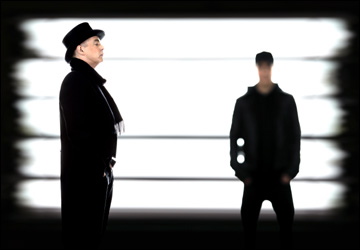
It may sound trite, but I think it’s fair to say that my tolerance for gay rights generally and the marriage right specifically is due in no small part to the Pet Shop Boys. Their music was deliberately ambiguous and over time, I came to appreciate how appropriate that was. The typical Pet Shop Boys song is about love – new love, love on the decline, lost love, inappropriate love – sentiments felt similarly by straights and gays. Times have certainly changed over the last twenty years, but even now, as a straight man with few gay friends, the Pet Shop Boys’ music is as close as I usually come to encountering gay culture.
For years, I’ve loved their music; somewhere along the line, though, I came away with something I hadn’t bargained for – an appreciation that gays were not really "different" and that, once superficial differences were set aside, we had more common ground than I would have thought. I think that, just as racial equality gained ground once whites came to view blacks as not particularly different than themselves, the Pet Shop Boys enabled many straights like myself to appreciate gays’ humanity rather than being distracted by their sexuality. What Tennant and Lowe still convey to clueless straight boys like myself is not an overt message which has to be confronted (and which we might, even now, instinctively resist), but is instead a quieter comment on universal things, regardless of your gender and that of the person you love.
I’m a Pethead and I’m a better person for it.
One day, Americans may finally see them less as an ’80s nostalgia band, and more as the consistently brilliant artists and writers they are. The rest of the world has already grasped this, but America has eluded them. Their musical charting of the AIDS epidemic, in particular, from the chilling single, "It Couldn’t Happen Here," through "Dreaming of the Queen," the heart-breaking "Your Funny Uncle" all the way through "Discoteca" and "The Survivors" makes them, I’d argue, the finest artistic chroniclers of the epidemic as it has affected Western gay men. And they conveyed this through universal themes of love and loss – long before Brokeback Mountain. Neil Tennant wrote me an appreciative personal note after reading "Virtually Normal." I’ve never been more flattered.

