Today on the Dish, readers weighed in on God, love, and the universe. Ann Coulter made an uncomfortable case for Romney, Republicans embraced a pernicious mythology, and the GOP base catapulted Gingrich to frontrunner status. Newt peddled influence, Paul got the expert BLR treatment, and Congress confronted a long-standing scandal. Some evangelicals are drifting to the left, "politainment" took hold, and pizza entered the fray. The most effective way to limit government is to pay for it, and in our AAA video, Andrew revisited the 22nd Amendment.
Egyptians resisted military rule, female images were defaced in Jerusalem, and the Syrian protests forged on.
Our social model is driven by debt, coffee is getting more expensive (as is clean water), and parking lots are destructive. Siblings may be "good for nothing," 40 percent of day care centers are rated "poor," and readers shared their own experiences here and here. We appraised the marijuana market, debated the promise of "ethical consumption," and sex with groupies is infrequent and unsatisfying. Andrew returned to Harvard, and the Dish popped up on Jeopardy.
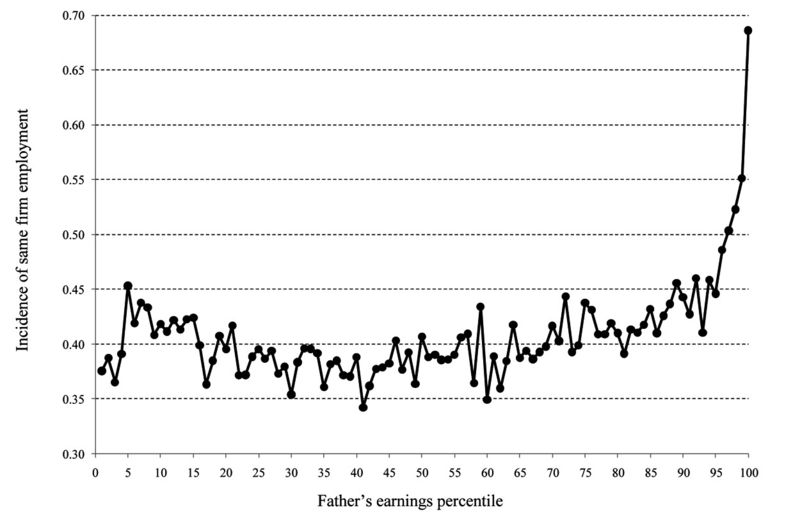
Chart of the day here, quote for the day here, rant of the day here, MHB here, FOTD here, and VFYW here.
Afghanistan – touch down in flight from Augustin Pictures on Vimeo.
Thursday on the Dish, Andrew confronted the new reality of income inequality, and conservatives in Britain actually engaged with the modern world. Rick Perry's funds dried up, Drew Westen emanated nonsense, and grand jury investigations are often unreliable. The Old Boys' Network breeds cowards, and the case against Prop 8 caught a second wind.
In our AAA video, Andrew discussed whether Bush deserved any credit for Iraq, and Frum issued a cost-benefit analysis of the invasion. Netanyahu is not the living embodiment of Israel, a fixation with atrocity drives our policies toward a nuclear Iran, and Israel is prepared to go it alone. Republicans dismissed the UN, the Chinese struggled to find love, and we checked in on the uprising in Syria, which is intensifying. Intellectuals make for irresponsible policymakers, Qatar is richer and fatter than the US, and war is not inherently male. Andrew clarifed his assessment of Obama's foreign policy, and beauty endured in Afghanistan.
We pushed back against Internet censorship, readers complicated the productivity paradox, and the White House came under assault. Smart kids are more curious about drugs, fiction intervened in death penalty cases, and scientists explored sex differences. Jonathan Coh ndelved into the science of early adversity, vegetarians struggled with tattoo ethics, and marijuana softens PTSD. Christians resisted Christianism in Michigan, democracy is about ineradicable disagreement, and gold gave the other elements a run for their money. Mark Warren profiled a "revolutionary American," Andrew fortuitously encountered some intellectual foes, and he delivered a speech at his alma mater.
VFYW here, FOTD here, and MHB here.
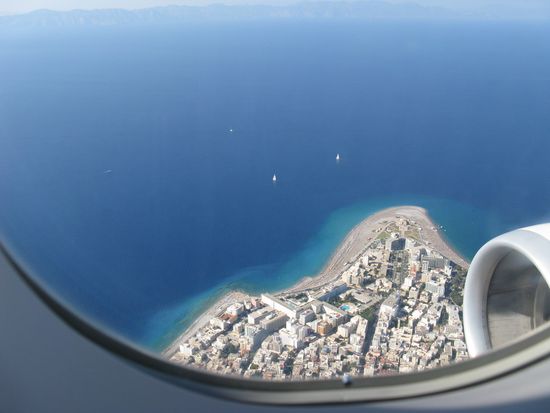
Rhodes, Greece
Wednesday on the Dish, we scrutinized Gingrich's boomlet (and his close ties to Freddie Mac), and Newt's ideological deviations were overlooked as he assumed the not-Romney position. Losing Iowa would stymie Mitt's path, the right is suddenly obsessed with Calvin Coolidge, and the Supreme Court challenge to Obamacare is bigger than we think. We wondered if the supercommittee was even taking the trigger mechanism seriously, the chairman of the Senate Republican Conference is ready to go big, and we speculated about Mark Kelly's possible political career. Andrew explored the implications of the productivity paradox, Krauthammer spewed partisan propaganda, and readers weighed in on the seismic implications of fracking. In our AAA video, Andrew explained his highbrow affinity for Judge Judy.
Europe approached a black hole, Syria neared a turning point, and Marc Lynch held out hope for Egypt. China is not becoming more democratic, and no, the U.S. should not write off Taiwan.
Andrew pooh-poohed tobacco prohibition, we searched for a hybrid rental/home-ownership model, and charted marijuana's economic potential. Mass protests matter, math and science majors ditched the STEM track for better grades, and Amazon disrupted the publishing ecosystem with a digital library. The SOPA would wreak havoc on the Internet, driving laws faced a slippery slope, and men aren't funnier than women but get more credit for being funny. Rick Perry mangled the truth and the English language in his own campaign ad, Andrew offered an explication of his faith, and we met the woman behind a familiar voice.
Moore award nominee here, VFYW here, VFYAW here, MHB here, and FOTD
small belgium: Antwerp from Jasper Léonard on Vimeo.
Tuesday on the Dish, Andrew urged the president go big on budget reform, the GOP is prepared to say no, and a reader wondered if we should accept the do-nothing option. It's no accident that the Tea Party is candidate-less, Gingrich is plainly dumb, and Josh Marshall downplayed Newt's chances. Kevin Drum trusts Mitt in an emergency, we inspected the former governor's unfavorables, and once again, there's a new GOP frontrunner. Zuccotti Park was cleared, a seemingly unfazed Jerry Sandusky responded to the charges against him (a reader's analysis here), and Charles Pierce took the longview.
Andrew grappled with the escalating nuclear crisis over Iran, 70 Syrians were murdered, and Obama had the last word on waterboarding. We assessed the damage after Cain's Libya episode, Gloria Cain's "delightful" interview didn't make a dent, and in our AAA video, Andrew imagined how a McCain presidency would have been different.
We tracked youth unemployment, the Great Recession is suffocating 25-34 year-olds, and most states face a long, hard road to recovery. American millionaires rake in more than $30 billion in government subsidies annually, Richard Kahlenberg assailed affirmative action for the rich, and we reviewed the Supreme Court's choices on Obamacare. Andrew reflected on the Dish's insideriness, atheists found meaning, and Gabby Giffords bravely sprung to life.
The world's most expensive photograph here, FOTD here, MHB here, VFYW here, and VFYW contest winner #76 here.
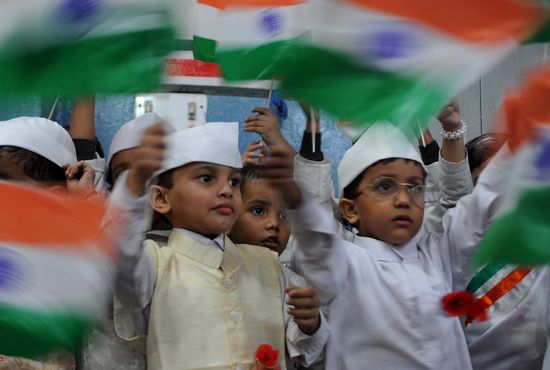
By Narinder Nanu/AFP/Getty Images.
Monday on the Dish, Herman Cain truly outdid himself, a witness corroborated his accuser Sharon Bialeck's story, and the GOP embraced torture. Andrew Cohen blamed Obama, John McCain stepped in, and we corralled foreign policy debate reax here. Bachmann sort of clarified her assertion that the CIA is "run by the ACLU," we checked Perry's pulse, and assessed Gingrich's surge. Andrew glimpsed "the fantastic utopian nightmare of Newtism," he stood by his condemnation of Mike McQueary (as did Dreher), the Penn State football cult widened, and readers weighed in here. Andrew assailed the GOP's newfound anti-tax ideology, he introduced a related new construction ("successful and wealthy"), and in our AAA video, he addressed whether he was reckless in contracting HIV.
We wondered if/when Germany would take over Europe, Berlusconi fell from grace in Italy, and the Arab League denounced Assad. Jennifer Rubin endorsed "throwing Arab prisoners into the sea to meet righteous divine punishment," and we noted vile murderous sentiments on the other side.
SCOTUS will hear the case against Obamacare, the supercommittee equivocated, and big business undermined free markets. We envisioned the Future Of Interaction, Wikipedia is as wondrous as the pyramids, and modern DC architecture is deliberately unoriginal. Child actors grew up, O'Reilly botched the history of the Lincoln assassination, and Harold & Kumar pioneered a stoner's "post-racial dream." We shouldn't condescend to the elderly, the mentally ill spurred the early humans on, and vaccines have a greater impact on health than "all the new drugs." We were inspired by Mark Kelly, Nicole Gelinas reimagined personal-retirement accounts, bad local immigration policies have far-reaching effects, and dirty work is "beneath" most Americans.
Malkin award nominees here and here, hathos alert here, cool ad watch here, VFYW here, FOTD here, and MHB here.
– M.A.

 The Dish