Today on the Dish, we pored over the results of the first Dish Check, Matt Taibbi added his two cents, and we learned of a new torture technique devised at Gitmo. The jobs situation isn’t getting worse (there are even signs of continued growth), our sense of fairness stems from justice and not equality, and Obamacare is working. The allegations against Herman Cain challenge the central premise of his candidacy, Jennifer Rubin anticipated that his polling would slide soon enough, and sexual harassment is primarily about the abuse of power (readers weighed in here). Mitt Romney's electability argument came into question, the former governor is a human being after all, and his party's inhumanity alienated the religious right. In our video feature, Andrew shared his thoughts on psychoanalysis.
Sarkozy couldn't be bothered by the BBC, a modest defense budget may lead to more reasonable policies, and professionals understand that torture doesn't work. The CIA is now killing people without knowing who they are, Qaddafi's stockpiles are unaccounted for, and Egypt must properly confront the abuses of authoritarianism. Turkey's rise is offsetting Iranian dominance, Anonymous backed off its threats against Los Zetas, and we contemplated the implications of such a netwar.
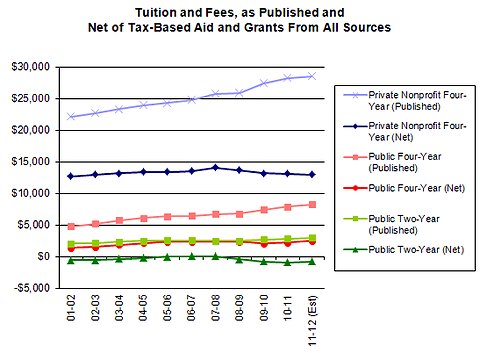
The information age may not have room for a middle class, Will Wilkinson sifted through progressive and conservative notions of success, and Chait leveled Pethokoukis on inequality. Timothy Lee elaborated on the case against software patents, Larry Kramer thinks the HRC is the dregs, and robots are better at chess than chores. We revisited the horrors of "smacking," checked in on Jurassic Park obsessives, and the boy scouts wore beards. Pleasure isn't incompatible with victimization, yawning is contagious where empathy is great, and dogs have moral instincts. We dwelled on the relationship between sugar and hyperactivity, and college is cheaper than we think.
Fake app of the day here, VFYW here, MHB here, and FOTD here.
Murmuration from Sophie Windsor Clive on Vimeo.
Thursday on the Dish, the collective net worth of American lawmakers jumped 25 percent in two years, Dodd-Frank failed in a comprehensive simulation of a banking crisis, and Silver gave Obama a 50-50 shot at re-election. In our video feature, Andrew made the conservative case against extreme income inequality, 40 House Republicans endorsed tax revenues, and occupiers brought Oakland to a standstill. The Hermanator relapsed, he won Pamela Geller's endorsement, and Pajamas Media uncovered new "details" of a sexual harassment incident (related correction of the day here). Pejman Yousefzadeh called out Cain supporters, the only way past this for Cain is through it, and most of Cain's defenders piped down (some are even taking the charges seriously). Romney leads the field in endorsements and potential support, his foreign policy got worse (as did Perry's), and readers weighed in on Huntsman's hapless campaign.
Greece toyed with a potential exit from the Euro, Andrew was impressed by Papandreou's strategy (others felt differently), Frum blamed Germany, and Italy is too big to fail. We chewed over US strategy in Somalia, wondered if the Syrian opposition could coalesce under a unified organizational umbrella, and marked 100 years of air war. We assessed the latest speculation on Iran as the Israeli military resisted war, a veteran grappled with the impulse to torture, and Bruce Crumley mocked the French satirical newspaper firebombed for caricaturing Muhammad.
Mariah Blake unraveled a doozy of a Ponzi scheme in the Midwest, the Tea Party threat waned, and the death penalty stretches the legal system. Readers reacted to a horrific story of "Texas domestic justice" and shared their stories of abuse, and the hard problem of consciousness is so hard. We appraised college degrees, scientists said that sugar doesn't make kids hyper, but parents begged to differ.
Hathos alert here, app of the day here, correction of the day here, cool ad watch here, MHB here, VFYW here, FOTD here, and amusing profiles in Republican intellectual gymnastics here and here.

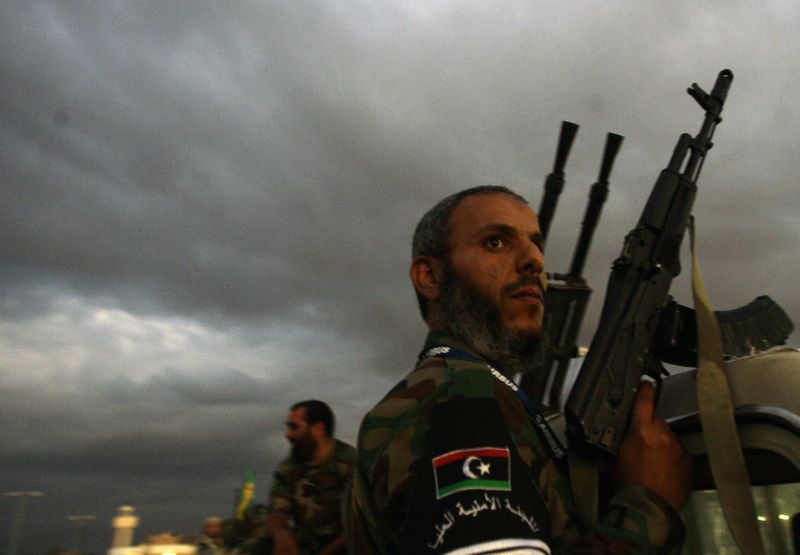
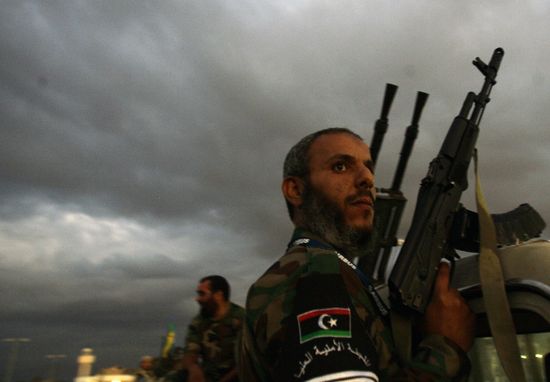
By Brendan Hoffman/Getty Images.
Wednesday on the Dish, Herman Cain owned South Carolina, he reminded us of his foreign policy ignorance, and we got to know his wife Gloria. Derbyshire ridiculed sexual harassment as Cain faced more accusations, the Hermanator played an uncertain race card, and Dreher saw Cain candidacy's as a sign of decadence. The Republican base flat-out rejected an intelligent and capable two-term governor with deep domestic and foreign policy experience, T-Paw nostalgia took hold, and the Obamacons dispersed. Obama's allies offered up a vision of "Mitt Romney's America," Mitt ducked the press, we graphed Rick Perry's baffling tax plan, and the Texas governor was somehow sober during this speech.
A former American Foreign Service worker collected Qaddafi's stamps, Stuart Schoffmann unpacked Israel's particular "theocratic tendencies," and Mollie Ziegler investigated the relationship between mental illness and religious fundamentalism. Iran isn't prepared to absorb popular resentment in the Middle East, Libya's military has trust issues, and China's Global Times rebranded Chinese nationalism.
Andrew introduced "Dish-Check," and invited readers to correct or refine his post about the sources of the financial collapse. Glenn Greenwald captured the accountability deficit,memories may determine the election, and readers reflected on nature and grace in The Tree of Life. BofA retreated, Josh Barro found the Washington establishment reassuring, and the supercommittee underwhelmed. The Christianist's faith isn't strong enough to withstand another human being's happiness, a gay Christian was shunned, and HuffPo uncovered some gruesome homosexuality "cures." Amicable divorce is on the rise, technology can see what you're thinking, and Fairfield County is probably the most unequal county in America. Houston police unleashed unmanned drones, a Texas judge attacked his daughter, and the screeching sound of fingernails on a chalkboard is amplified inside our ears. We weighed the Internet, parsed Steve Jobs' last words, and cursed the new Google Reader. A humanoid military robot sweats, and "Scott Tenorman Must Die."
FOTD here, VFYW here, MHB here, and the new "Ask Andrew Anything" video archive is here.

Nelspruit, South Africa, 12 pm
Tuesday on the Dish, the Greek prime minister called for a voter referendum on the EU bailout, and pandemonium ensued. Sexual harassment allegations are currently a net win for Herman Cain, readers weighed in on the claims, and we anticipated his wife's meeting with the press. Everything is going according to Cain's business plan, he backed a foreign government over his own, and a Republican operative understood the implications of the fringe frontrunner's hold on the party. George Will engaged in some pretty egregious credentializing pre-Romney take-down, Michael Gerson made an uncomfortable case for the flip-flopper, Huntsman's campaign charged, and Rick Perry is not a "talker." In our video feature, Andrew shared his reading list.
The Qatari leadership preempted domestic demands for democratic reform, Spencer Ackerman admitted to being "too blinded with fears of Iraq 2.0" when in came to Libya, and if Tunisia is a dolphin in transition, Egypt is a whale.
The occupiers are hippies for the era of Eisenhower, a reader commemorated "America, the Beautiful," and Jonathan Bernstein cheered 17-year-old suffragists. Military service makes great presidents, daylight drives consumption, and potatoes elevated living standards. Bridgeport is more unequal than Zimbabwe, humanity needs borders, and readers pointed out that the drug czar is legally required to oppose any effort to legalize marijuana. "The Clinton Magic" works, Niall Ferguson fetishized the West, and cohort replacement affects policies and practices. The new Lorax movie is a disgrace, reality TV stars cheapened marriage (while profiting from it), and for many women marriage is still very much an expectation and a goal.
Word cloud of the day here, hathos alert here, stoned Siri here, and home news here. FOTD here, MHB here, VFYW here, and VFYW contest winner #74 here.

Monday on the Dish, Herman Cain faced allegations of sexual harassment, a few on the right took them seriously, and it's possible that we're headed for another "high-tech lynching" drama. A management-side employment lawyer urged caution, the legacy of Palin endured, and in our video feature, Andrew discussed Cain's performance art in the context of a degenerate Republican Party. Bartlett pinpointed Cain's underlying appeal, and Andrewtook Obama to task for ducking the marijuana debate entirely.
The GOP suffered through a love-hate relationship with Mitt, Tea Party leaders in Congress begged for stimulus, and lower speed limits save lives. Hollywood entered the OWS fray, we wondered how the movement would end, and financial services professionals only comprise 14% of the top 1%. We assessed population growth and inventoried global resources, campaign finance reform obscures the path of money, and the drug war undermines American foreign policy. The problem is that we're "so damn stubborn," Steve Jobs was sort of a jerk but we're inclined to deify him anyway, and niceness is penalized in the workplace. Readers defended patent laws, effective studying requires deep thinking, and our national anthem thread continued. We revisited moving costs, foster care families are confronted with a political dilemma, and a Catholic priest celebrated Terrence Malick's The Tree of Life.
In Wiccan New Year-related coverage, we relished highbrow fright, caught up on the neuroscience and pharmacology of zombies, and Williamsburg observed Halloween constantly. We were captivated by Spike Jonze’s spooky stop-motion animation, and cars haunt trick-or-treaters. Pet costume of the day here, Jack-o'-lantern of the day here, cool exorcist ad watch here, FOTD here, and MHB here.
Quote for the day here, reality check here, VFYW here, and charming, illustrated guide to depression here.
– M.A.


 The Dish