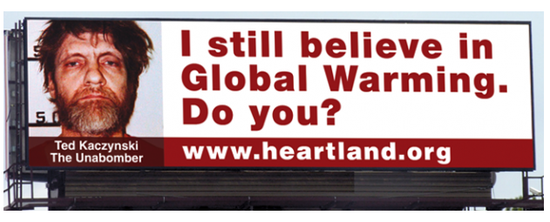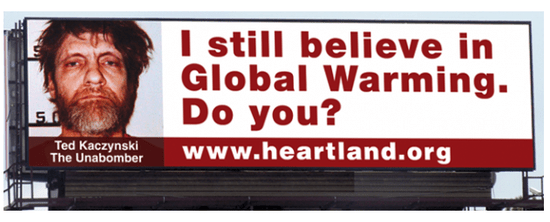
Friday on the Dish, Andrew despaired at the right's approach to climate change (follow-up here), found common ground with Rupert Murdoch on taxes, defended Obamacare on liberty grounds, praised the Bishops' challenge to Paul Ryan, and patiently explained to Mitt that sexual orientations were not preferences. We grabbed reax to the crappy jobs numbers, found some surprisingly good news underneath the jobs headlines, unpacked Ron Paul's strategy some more, explained the crucial importance of Hispanic turnout, worried that NC Amendment #1 would pass, heard from a reader on Erick Erickson's homophobia, and plumbed the depths of the culture war. The medical marijuana crackdown continued, the DEA horrified, and health care moved (ethically speaking) towards cutting waste. Ad War Update here.
Andrew also applauded his friend Boris Johnson's successes in London (orangutan follow-up here) and chuckled at a poorly drawn ad. Chen Guangcheng's student visa resolved the standoff and the settlements drained cash from Israelis. The Avengers wowed, superheroes stormed film, music genres faded from relevance, carnivores kept moving into cities (sometimes with sad results), ideal cows were tricky beasts, and a story about a monkey put a trickle on our cheeks. We cautioned New York about dependency on finance, complicated the notion of donating old glasses, and profiled an alternative to college. Cramming ruined education, readers defended headphones' value for productivity, each person had a different "emotional style," no one really understood zippers, and you worked too much. Ask Steven Pinker Anything here, Poseur Alert here, Hathos Alert here, Tweet of the Day here, Quote for the Day here, Cool Ad here, Yglesias Nominee here, VFYW here, MHB here, and FOTD here.
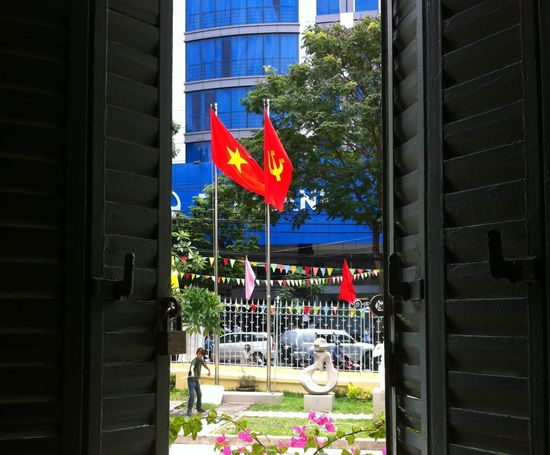
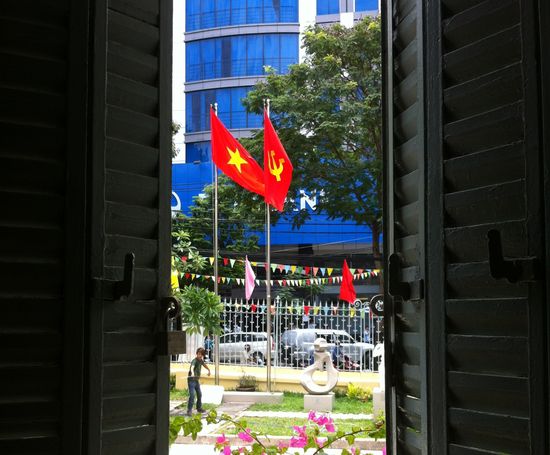
Ho Chi Min City, Vietnam, 11.29 am
Thursday on the Dish, Andrew declared war on GOP homophobia, pointed to Erick Erickson's reaction to Grenell as proof he was part of the problem, and scoured Obama's letter on Yeats for clues about his personality. Andrew also explained why Jose Rodriguez destroyed the torture tapes, wrapped his head around the details of the Chen Guangcheng case, and spotlighted Rick Perlstein's response to The Crisis of Zionism. We checked on Obama's (high) approval ratings, guessed at why his numbers were higher than they should be, forecasted the unemployment rate on election day, hearkened back to Obama's negative '08 campaign, puzzled over Romney's non-existent Latino outreach, yawned over the VP race, broke down the anatomy of fake news, and advised candidates to avoid lying whenever possible. We also wondered whether torture would return under Romney, contrasted duelling accounts of the Chen Guangcheng affair, listened to a Beinart debate on Israel, defined "Second World Nations," and noted National Review's Islam problem. Ad War Update here.
Andrew also issued a call for the next class of Dishterns, noted a little crack in NRO's prohibition, and re-upped Ask Bruce Bartlett Anything questions. Republicans wouldn't explain how they'd pay for Bush tax cuts, Stephen King (hilariously) called paying taxes patriotic, some people "sprinted" towards the 1%, moral intuition preceded reason, and headless meat posed challenges to vegetarian and omnivore alike. Community college found champions, headphones sapped productivity, e-bikes enhanced the experience, and recognition boosted value. Boybands creeped us out, celebrity namesakes shared their suffering, a reader defended the theory that the internet makes us lonely, and dogs learned to like people food from people. Martian sunsets were blue, dudes flaunted their beards, and this joke was "subtler than you think." Ask Tyler Cowen Anything here, Quotes for the Day here and here, Chart of the Day here, Hathos Alert here, VFYW here, MHB here, and FOTD here.
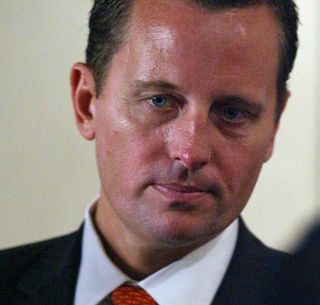
Wednesday on the Dish, Andrew explained why Ric Grenell's ousting by social cons demonstrated Romney's fundamental subordination to the GOP's most extreme faction, demonstrated why the incident proves the Republican party is hostile to gays of all stripes, explored the psychology of a gay Republican, showed just how committed Grenell was to the neoconservative cause, acknowledged the foulness of Grenell's old tweets, copped to some inconsistency on the issue, listened to readers and a dissent, and reacted to a foul outburst related to North Carolina's anti-gay Proposition 1 (video here). We spotlighted the effort to defeat the ballot initiative, labelled Romney "too risky for national security," bet Richard Lugar would be the next purged Republican, wondered what the GOP's problem was, checked in on Ron Paul, rolled our eyes at Americans Elect, raised a barrier for "political consumerism," and chuckled with Shep Smith – at Gingrich's expense.
Andrew also explored the role of IQ research in explaining global poverty, debuted the questions for Ask Bruce Bartlett Anything, and raised questions for the theory that Bibi had betrayed his father. We aired pushback against Moshe Arens' Malkin nomination, dove into the weird world of Iranian sexual frustration, read over the fine print in the new US-Afghanistan agreement, proposed the F-35 be the "poster child for Pentagon waste," and debated the relative merits of scholarships and military aid in the Middle East. The American economy always balanced public and private contributions, summer jobs slipped away, pre-K needed mor funds, raising special needs children got more complicated, the Court appeared in position to strike down affirmative action, birth control didn't require pap smears, and Facebook nudged you towards organ donations. Novels made for terrible soapboxes, The Avengers fought The Dark Knight Rises in a war of ideas, black people stole "white" music, and the NFL saw another terribly sad day. There was no lonlieness epidemic and brain freeze came from blood. Ask Jim Manzi Anything here, Quotes for the Day here and here, VFYW here, MHB here, and FOTD here.
Tuesday on the Dish, Andrew defended Obama's decision to campaign on the bin Laden raid (response to a reader on McCain specifically here), decried the pressure campaign that led to the firing of Romney's gay spokesman, and wasn't buying Beinart's theory that this campaign was going to be boring. We caught another Big Lie from Romney, watched independents return to Obama as the race narrowed, heard from readers on Obama's "forward" slogan, checked on the latest entry in the veepstakes, and compared two ads on North Carolina's anti-gay amendment. Libertarians had an opportunity to run on pot legalization, Ron Paul debated Paul Krugman, and The American Prospect needed your donations. Ad War Update here.
Andrew also reflected on Mays of yore, gaped at the labelling of David Remnick as "anti-Israel," and went after Jose Rodriguez's theory of the relationship between the President and the CIA. Afghans may have been inflicted en masse with PTSD, infrastructure couldn't fix Europe, and employment appeared here to stay. We matched the brogrammer with his inner frat boy, guessed we were entering the age of the e-book, tracked the flow of urban trash, and noticed an uptick in carnivorous city dwellers. Susan Sontag backed off the personal fight against homophobia, apologies were linguistically tricky, violence created its own social language, and everyone needed pre-K. Self-help hurt, having a celebrity's name kinda sucked, and a falling sky would kill us all. Ask Steven Pinker Anything here, Quotes for the Day here, here, and here, Malkin nominee here, Hathos Alert here, VFYW here, MHB here, and FOTD here.
Monday on the Dish, Andrew debunked Jose Rodriguez's "big boy pants" case for torture, reflected on Ben-Zion Netanyahu's life, and discovered Israel's sassy gay friend. We predicted Israeli elections in the near future, broke down the GOP's excuses on bin Laden and Obama, listened to a defense of intervention in Syria, pondered the quandary created by a Chinese dissident in the US Embassy, questioned the morality of drone strikes, and chuckled at an Australian yes-man. Ad War Update here.
Andrew also criticized the response to North Carolina's Amendment 1, picked out a hopeful moment from the White House Correspondent's Dinner, and responded to critics of the event. We also worried about Citizens United leading to more PAC-driven corruption in Congress, explained why there was no counterpart to the FDA for the financial sector, dubbed Paul Ryan the "Wonk King of the Republicans," laid out the evidence that tax rates could increase without hurting productivity, and parsed Romney's economic plan. Racial profiling failed and the race of jurors mattered a lot.
We also debated whether America needed religion, put the challenge to the Catholic Church in stark terms, found a marriage ruined by monogamy, discovered that money bought happiness (for others) and wrapped our heads around the power of touch. Scientists moved towards in vitro therapies, a father shared his experience raising his brain damaged son, Type II diabetes changed one's life outlook, community colleges failed, and second languages improved analytic thinking. Life experiences shaped film experiences, allergies helped us, homing pidgeons used the magnetic field, a giraffe got a CT in pieces, and the Washington Zoo live-tweeted the artificial insemination of a panda. Ask Tyler Cowen Anything here, Correction of the Day here, Quote for the Day here, VFYW here, MHB here, and FOTD here.
– Z.B.

 The Dish