A growing problem:
Neetzan Zimmerman calls it "the most important PSA ever made":
Seriously, though — turn your freaking phone sideways. How hard is that?
A growing problem:
Neetzan Zimmerman calls it "the most important PSA ever made":
Seriously, though — turn your freaking phone sideways. How hard is that?
Hospitals have very different post-surgery death rates. Atul Gawande investigates:
I thought that the best places simply did a better job at controlling and minimizing risks—that they did a better job of preventing things from going wrong. But, to my surprise, they didn’t. Their complication rates after surgery were almost the same as others. Instead, what they proved to be really great at was rescuing people when they had a complication, preventing failures from becoming a catastrophe.
Scientists have given a new name to the deaths that occur in surgery after something goes wrong—whether it is an infection or some bizarre twist of the stomach. They call them a “failure to rescue.” More than anything, this is what distinguished the great from the mediocre. They didn’t fail less. They rescued more.
Hopefully "the power of Pine-Sol" can clean urine stains off pants:
Julian Sanchez wishes it were otherwise.
According to new research, children who are breastfed for at least six months are significantly less likely to become obese:
The researchers offer two potential mechanisms to explain this connection: one nutritional, the other behavioral. The first suggests that the composition of human breast milk (compared to infant formula) protects against obesity. For example, they note, "it could be that bioactive compounds such as leptin or ghrelin which have a role in satiety and the negation of hunger occur naturally in human breast milk and are absent in infant formula." The behavioral hypothesis suggests that breastfeeding mothers "may be more responsive to children’s cues indicating satiety." In other words, breast-fed children are more likely to be guided from a very early age to eat when they are hungry and stop when they are full. In contrast, babies encouraged to finish a bottle’s worth of formula may be learning a very different behavior—one with harmful long-term consequences.
Rove's group throws $7 million behind the following spot in 10 key states:
Mataconis can't take the hypocrisy of Karl "Deficits Don't Matter" Rove. Greg Sargent sees an opening:
[T]he rich irony on display with the new Crossroads new ad — an attack operation founded by a leading official in the administration that ran up the deficit and left behind policies that have continued to inflate it for three years — has opened the door to a more direct attack on the real sources of the deficits that are now being blamed daily on Obama. … As Jamelle Bouie noted recently, Obama has been somewhat reluctant to directly mention Bush and directly link Romney to the former president, perhaps because of a desire to avoid appearing like he’s trying to transfer blame for the status quo to his predecessor.
Meanwhile, the Romney campaign courts Latino voters:
Alex Burns has more:
The video, which is available here in Spanish, is an extension of the approach Romney has used across demographic groups: casting the economy as an issue that transcends political categories and that has the potential to bring wary Hispanics, women and other voters into the GOP fold. Whether that’ll be enough to get the job done, remains to be seen. But as Obama hits the airwaves with several rounds of Spanish-language advertising, this is the message Romney is deploying in response.
Finally, First Read tallies general election ad spending:
$108 million has been spent on TV ads by the presidential campaigns and outside groups, according to an analysis by NBC/SMG Delta. Just 16 states have seen any spending since the end of the GOP primary, and the lion’s share of that has been concentrated in just 10 battleground states. Nearly $6 out of every $10 spent so far have been in a trifecta of states that could very likely determine the outcome of the presidency – Florida, Virginia, and Ohio. …
The biggest spender so far – no surprise – in those battlegrounds is the Obama campaign, with $41.5 million poured into TV. (The Romney campaign has spent $7.4 million.) But outside conservative groups combined – not including the Romney campaign — have outspent the Obama campaign there with $49.6 million.
Previous Ad War Updates: June 4, June 1, May 31, May 30, May 29, May 24, May 23, May 22, May 21, May 18, May 17, May 16, May 15, May 14, May 10, May 9, May 8, May 7, May 3, May 2, May 1, Apr 30, Apr 27, Apr 26, Apr 25, Apr 24, Apr 23, Apr 18, Apr 17, Apr 16, Apr 13, Apr 11, Apr 10, Apr 9, Apr 5, Apr 4, Apr 3, Apr 2, Mar 30, Mar 27, Mar 26, Mar 23, Mar 22, Mar 21, Mar 20, Mar 19, Mar 16, Mar 15, Mar 14, Mar 13, Mar 12, Mar 9, Mar 8, Mar 7, Mar 6, Mar 5, Mar 2, Mar 1, Feb 29, Feb 28, Feb 27, Feb 23, Feb 22, Feb 21, Feb 17, Feb 16, Feb 15, Feb 14, Feb 13, Feb 9, Feb 8, Feb 7, Feb 6, Feb 3, Feb 2, Feb 1, Jan 30, Jan 29, Jan 27, Jan 26, Jan 25, Jan 24, Jan 22, Jan 20, Jan 19, Jan 18, Jan 17, Jan 16 and Jan 12.
Timothy B. Lee reads up on the history of NYC's subway system. He asks libertarians to address the "the tricky questions raised by this kind of infrastructure project":
In the early 20th century, there was widespread skepticism of government subsidies for transit projects. But city planners found they couldn’t convince private firms to create subways without sweetening the pot. For example, when the government sought bids for private firms to construct a subway line without subsidies in 1892, they didn’t receive a single serious proposal. This despite the fact that the 1892 franchise would have offered the winning bidder favorable terms, with minimal regulatory oversight, and run for 999 years.
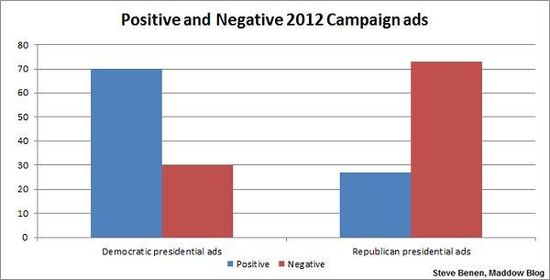
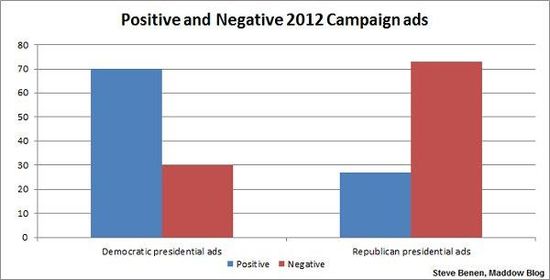
Today on the Dish, Andrew weighed Obama's variant of Keynesianism against Romney's, parsed a reader's extraordinary analysis of Politifact data on lying politicians, compared Romney to Don Draper, and sent Prop 8 to the Supreme Court. We marvelled at the difference between the Democratic and GOP campaign ads, explained why Obama was going to lean on Bain, bet the last sixth months of the election were what really counted, wondered if recall elections were really necessary, projected about a future where Obama supported legal pot, and speculated about the current two-party system's durability. Weather shifted employment, Obamacare made colleges give more comprehensive health insurance, "class warfare" was implicit in the GOP's argument on inequality and taxes, and religiosity negatively correlated with economic mobility. Ad War Update here.
Andrew also updated St. Paul's views of homosexuality, picked out an illiberal strand in Richard Dawkins' views on faith, and welcomed Megan McArdle to Newsweek/Daily Beast. We examined obesity among the homeless, debated the necessity of doctors, raged against pill addiction as a consequence of sports injury, defended anti-depressants, explored the "psychology of pooping," and set social expectations for therapists. People thought they were stars of their very own Truman Shows and Hollywood misportrayed disability. Running backwards helped one man, evolution gave us potato chips, and Nicotine poisoned. Eurozone countries shared little in common and states stopped selling territory. Ask Bruce Bartlett Anything here, Chart of the Day here, Email of the Day here, Quotes for the Day here and here, Yglesias Award Nominee here, Moore Award Nominee here, VFYW Contest Winner here, VFYW here, MHB here, and FOTD here.
– Z.B.

Maura Kelly sticks up for psychiatric meds:
[I]t's true; psychotherapy and exercise can help (as can meditation); patients should try them–and doctors should suggest them–before turning to pharmaceutical solutions. Nonetheless, in some cases–like mine–years of therapy doesn't solve the problem, and neither does daily exercise.
And what [Marcia] Angell doesn't say [in her article against psychiatric medications from last year] is that good therapy is often very expensive–far more expensive than most people can afford, particularly because so many health insurance plans provide little or no coverage for it–whereas less-than-excellent therapy can contribute to a sense that one's problems are intractable, that things will never change. (I speak from experience.)
Perhaps it's also worth noting that if developing a fitness habit were easy for the average person, then the obesity epidemic wouldn't be the most serious and costly health problem facing our country right now. And many seriously depressed people have a difficult time getting out of bed, to say nothing of going for a thirty-minute jog–though for some of us, like myself, our mental illness happens to come with a degree of obsessive-compulsiveness that often manifests itself at the gym.
More on the philosophy of depression here.
(From the series Control Test by Reece Jones via Collabcubed)
Alyssa Rosenberg contrasts Push Girls, a new reality show about women in wheelchairs covered here, with standard depictions of the disabled:
Most of the time, Hollywood seems confused about how to treat actors with disabilities. Movies and TV shows rely heavily on stories that focus on disabilities themselves rather than the people behind them. The most prominent disabled character on television, Glee's Artie, is played by the able-bodied actor Kevin McHale. And the show's played out a number of miracle-cure storylines for disabled people, from giving Artie mechanical legs that let him walk but that he never uses again, to first giving cheerleader Quinn a surprising recovery from a spinal cord injury and then having her manipulate other characters based on their sympathy for her. Disability is something to be overcome, rather than a vehicle to new perceptions and storytelling opportunities.
Alyssa follows-up.
 The Dish