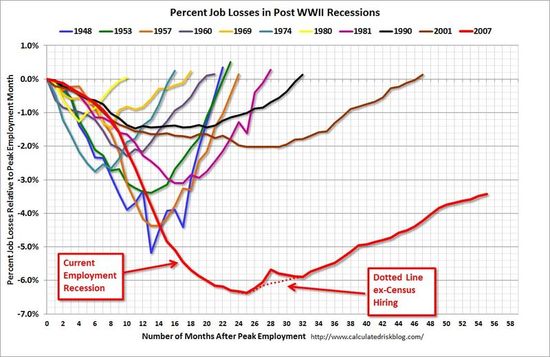
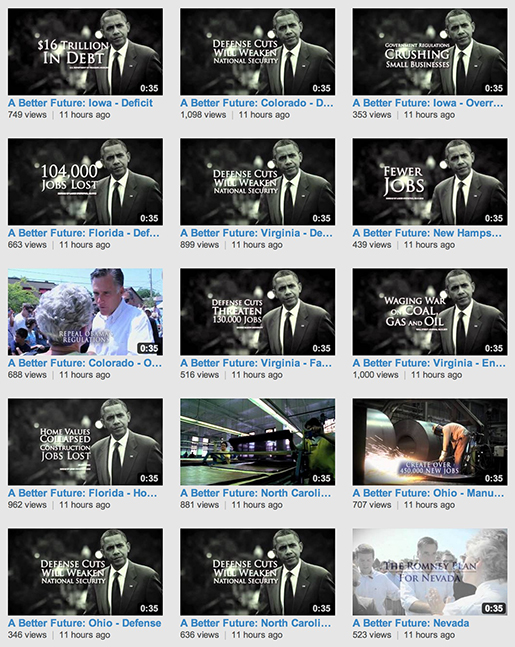
Chart from Calculated Risk Today on the Dish, Andrew cautiously noted a “Clinton bump,” said “optimism always wins” and reworked Tomasky’s criticism of Obama’s speech. Meanwhile, other bloggers reflected on and then debated last night’s performance. Wrapping up convention coverage, Obama’s message penetrated headlines, readers assessed Obama speech reactions and Hamilton Nolan maligned spokespeople. Cute First Family GIF here. In election news, the blogosphere took in the lackluster jobs report, the parties’ racial skew weakened America and Jon Rauch pinpointed the candidates’ rhetorical challenge. Lance Mannion attributed Romney’s awkwardness to inexperience, Sabato compared Obama to former incumbents, readers weighed in on conservative wisecracks and Matt Welch profiled Ezra Klein. Meanwhile, in the ad war news, Romney rolled out 15 new ads. Looking more globally, Andrew urged outrage on Obama’s Gitmo policy, our torture record worsened and an expert questioned Israel’s ability to attack Iran. Francis Fukuyama outlined Burma’s needs, security in Iraq deteriorated and a Mexican photojournalist honored the dead. Then as an Egyptian botanist proffered plummy marital advice, Charles Kenny hailed decades-long growth in China. In assorted commentary, Andrew advised a paranoid stoner, Hanna Rosin addressed blogs with male biases, and a historian explained the appeal of destroying New York. Katherine Boo promoted reporting through observation, Federer lamented line-call humiliation, and while Michael Byrne contemplated shyness, Doree Shafrir recounted scary parasomniac spells. Samantha Weinberg recounted David Attenborough’s career as some comedians bloomed late and Samsara opened. FOTD here, Psy-related MHB here and VFYW here. – G.G. The rest of the week after the jump:
Thursday on the Dish, Andrew live-blogged the last day of the convention, calling Obama’s speech a non-gamechanger. And as Nate Silver reviewed the poll numbers, Andrew projected an Obama bump – something bloggers did too. Meanwhile, readers pushed back on Andrew’s Bowles-Simpson argument and the omens looked good for tomorrow’s job numbers.
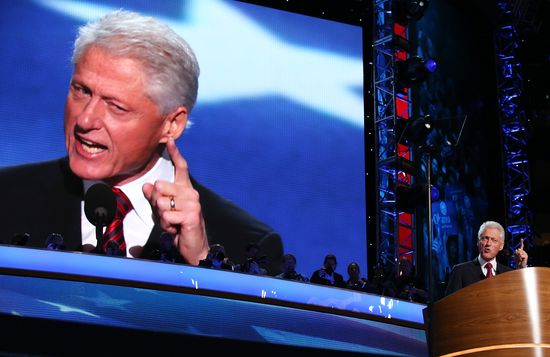
Reviewing Clinton’s performance yesterday, as bloggers reacted, Nate Cohn called Clinton the “perfect surrogate” and Frum found Clinton’s highlighting of Medicaid effective. Buzzfeed deconstructed Clinton’s riffs, Jonathan Bernstein noted that Republicans aren’t into Clinton types and Dave Noon charted GOP platform god cameos.
Earlier in the day, Obama’s campaign pushed the gay thing, Krauthammer conspiracy theorized and Michael Scherer broke down what Obama must accomplish. Andrew Romano studied Mitt’s unfavorability, and Kornacki wondered about the effectiveness of Warren’s speech as readers weighed in as well. Hillary, meanwhile, didn’t break the law, Frank burnished a gavel, and James Joyner insisted that vets don’t need our pity. And as Michelle Obama’s speech charmed China, content-mongerers hogged convention rights.
In election coverage, Andrew worried about our debt levels, Joe Klein lamented the potential for political paralysis and Romney’s mug might help him win. And while Romney’s campaign aired a Clinton-Obama-schism ad, Larison doubted Romney’s foreign policy moderation.
Armstrong cheated, a robot raced and cars drove themselves. Hanna Rosin defended hook-up culture – and explained the wage gap. Geeta Dayal flagged research on headsets, sun and happiness decoupled, and Syria splintered.
VFYW here, MHB here and don’t forget to ask Ta-Nehisi anything – and John Hodgman, too!
Chip Somodevilla/Getty Images
Wednesday on the Dish, Andrew applauded Clinton’s speech, saying “he finally told [Obama’s] story.” Earlier in the day, Andrew said “of course, we’re better off” than four years ago, as he worried about Elizabeth Warren’s convention prominence and clarified data from last night’s speeches.
In additional convention coverage, Dems ran a two-toned event, Sargent explained the basis for the Obama team’s confidence and the GOP huffed about the Ted Kennedy tribute video. Millman ho-hummed about Clinton’s speech, readers reacted to Charlotte Day 1 and Deval Patrick’s QOTD here. Meanwhile, the GOP won the stimulus rhetoric war and Clint’s speech left as big an impression as Romney’s did. And as readers considered the MS plights of Ann Romney and Michelle Obama’s father, Scott Morgan bet that Dems wouldn’t talk about pot.
In campaign commentary, Walter Kirn called 2012 the “most compelling election in years,” Beinart highlighted the Dem’s overall strategy and the blogosphere debated Romney’s gubernatorial record. And while the Romney campaign perpetuated Ryan’s Jamesville fib, Dems looked as if they have a chance to hold the Senate and Jack Shafer posited a fact-checking theory.
In assorted coverage, Andrew called out new data on circumcision and admired John Cage. Marc Lynch posed a question about Arab monarchs, a reader weighed in on the controversy of American Indian lineage and Glaswegians died at high rates. Peter Salisbury warned of Yemen’s water situation as Lindsay Abrams reviewed the dark history of ex-gay therapy.
Meanwhile, a Scot found an old bottle, Keith Humphreys examined the gateway effect and the TSA swabbed coffee. Kottke admired the paralympics race, and as Hanna discussed minority women, Fred Clark augured mobile home trouble and Cord Jefferson assessed tchotchkes.
VFYW here, FOTD here, more cat predation here, and don’t forget to ask Ta-Nehisi Coates anything!
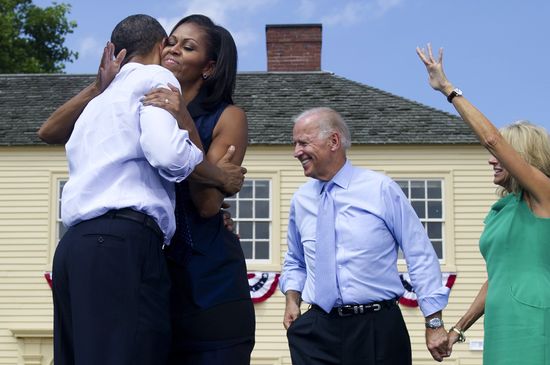
Pete Souza/White House
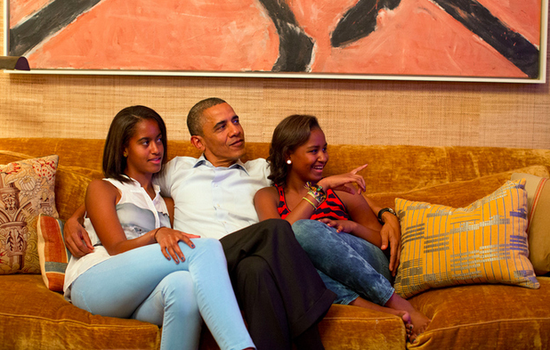
Tuesday on the Dish, Andrew’s live-blogging of Day 1 of Charlotte concluded with praise for the Dems and for Michelle Obama’s “centrist performance.” Blogger reax here and Twitter reax here. Earlier, Andrew sketched out Obama’s tactical opening on the budget, explained Bill Clinton’s task and excoriated the Obama administration’s whitewashing of CIA crimes. And after hailing the loyalty of Obamacons, Andrew ultimately still saw the race as Romney’s to lose. In the run-up to this evening’s speeches, Andrew Romano profiled Julian Castro, bloggers wondered how Michelle Obama might leverage her popularity, and Silver said polls produced a split verdict on the post-convention bounce.
Silver then reminded us of the Friday jobs report, and as Sarah Issenberg investigated campaigns’ data ops, Seth Masket graphed Obama’s ground game advantage. Meanwhile, readers contextualized Romney’s “bilking” of the FDIC, Jared Bernstein broke down Romney’s promise to create 12 million jobs and, in ads, the GOP unleashed a Carter-smear campaign. And as readers reacted to Wieseltier, it turned out Clint borrowed from a long history of empty chair-addressing.
On the international front, Stephen Walt disagreed with always leading from the front, while Meir Javedanfar accused Obama of damaging Iran. And as Frum predicted a global food shortage, Ansar Eddine wreaked havoc in Mali and Felix Salmon debunked the worry of hyperinflation. In assorted coverage, Andrew Solomon detailed the brutal choices of women impregnated by rape, Vonnegut brought marriage contracts down to earth, and exit signs bore a carbon footprint. Malise Ruthven explored the apocalypse through Mormonism, Jesse Ellison detailed Maine’s foundering lobster industry and Hanna addressed boys’ performance. VFYW contest here, FOTD here, MHB here, VFYW here, and don’t miss our new indexing format, which today featured our ongoing coverage murderous felines.
By Joe Raedle/Getty Images
Monday on the Dish, Andrew live-blogged Tampa Day 3, tore into the “spectacular vacuousness” of Romney’s speech, and, responding to Frum’s speculation on Romney’s foreign policy, doubted the nominee’s backbone. Blogger reax of Romney’s speech here and Twitter reax here.
In Tampa Day 2 coverage, Andrew eviscerated Paul Ryan’s many lies, Suderman called Ryan out on Medicare, and readers reacted, weighing in on Susana Martinez, in particular. Fred Kaplan was miffed by McCain’s and Rice’s gall and Steve Coll dismissed Christie’s leadership skills. Alex Blagg nominated Ryan for Boy Detective and Comedy Central evaluated the RNC joke success rate. And in the run-up to Romney’s acceptance speech, Charlie Cook contended that the it was the most important of his campaign, Millman labeled Romney a leader that “nobody wants to follow,” and a chart of the day presented the GOP concept of imminent threats.
Meanwhile, as the campaign aired a slew of Bain ads, Tim Dickinson revealed the extortionate style of Romney’s negotiation for the bailout of Bain and readers asked whether the new evidence meant he “didn’t build that.” Tax experts proved that Romney’s plan requires raising middle-class taxes and Matt Taibbi excoriated Romney as emblematic of “lunatic pursuit of instant borrowed millions.” In other election coverage, Nyhan mulled the impact of fact-checking, Martin Wolff framed Murdoch’s Romney dilemma, and Lindsey Graham lamented the loss of “angry white guys.” Obama outflanked mainstream media via Reddit, CNN’s camerawoman spoke out on racism at the RNC and Patrick Ruffini noted the marketing style of modern campaign-craft. Nate Silver ID’ed Ohio as a key swing state, a fake ad took “legitimate rape” to its logical extreme, and Michael Moore advised people to start practicing saying “President Romney.”
In assorted coverage, Andrew called attention to Sandusky apologism from Father Benedict Groeschel and Syria’s body count grew. Stephen Burd wanted a new student loan system, Matt Shafeek praised slow-build comedy, and while Kevin Carey reported on online education efforts, the digital natives were restless. Hanna Rosin discussed the upshot of the end of men, Hollywood exposed itself to piracy, pink flamingos roosted in suburbia and a fat reader cut into the tight workout clothing concept. As Isaac raged, a FOTD captured a displaced mother and child in Kentwood, Louisiana, and, on a brighter note, reporters weathered the hurricane hilariously. Old Spice swooning here, VFYW here and a Robert Herrick poem here.
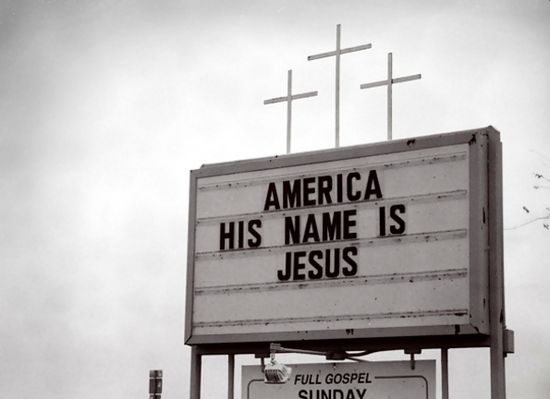
Image from Christian Piatt’s round-up of church signs
Saturday and Sunday on the Dish, love and literature dominated our coverage. In the realm of romance, Lydia Kiesling searched for the perfect wedding reading, XKCD revealed the dismal odds of finding your soulmate, Nora Caplan-Bricker found a new book about sex at Yale unimpressive, Sybil Sage named Helen Gurley Brown a coach for the sexual revolution, Hanna Rosin evaluated today’s hookup culture, the wife of a deployed British soldier described the hardships of being married to a military man, Yelena Akhtiorskaya pointed to the drudgery of being the wife of a great Russian writer, and Bernard Avishai revisited that tale of sexual neuroses and desire, Portnoy’s Complaint. Last but not least, Anna Smith covered the difficulties of dating in the little people community.
In books coverage, Mark O’Connell confessed his literary promiscuity, Evan Kindley reviewed the once symbiotic relationship between writers and the Democratic Party, Daniel Mendelsohn provided a formula for good criticism, Benjamin Percy advocated for the slow book movement, and Clive James commended film critic Pauline Kael’s writings that proved her acute judgment went beyond movies. We rounded up the reviews of D.T. Max’s biography of David Foster Wallace and, as a new collection of Jack Kerouac’s poetry hit the shelves, the volume’s editor celebrated his capacity to capture the “universal experience of being alive.” Read Saturday’s poem here, Sunday’s here, and Monday’s here.
Faith and doubt made their usual appearances on the Dish as well. William Deresiewicz critiqued our attachment to the Protestant work ethic, Vaughan Bell diagnosed the medical symptoms listed in Psalm 137, Robin Varghese unearthed V.S. Naipaul’s memoir of religious dimension of the 1984 Republican convention, Brian Jay Stanley explored the obstacles to faith in a pluralistic world, Peter Frase reminded us there once was a “Saint Monday,” and Alexander Nazaryan championed Sir Thomas Browne’s 17th century doubt amidst our own modern certainties. We didn’t forget about the Mormons, either. Laura Winer noted the faith’s conflicts with history and Sue Spinale McCrory hoped Mormonism’s dietary dimension would get more attention.
Amidst our assorted coverage, we dabbled in philosophy – John Gray praised an older generation of liberal thinkers who grasped democracy’s conflict with freedom, Ray Monk explained the surprising connection between photography and philosophy in Wittgenstein’s thought, Randy Cohen answered a frequently asked ethical dilemma, and Brent Forrest went in search of an eccentric Russian math genius. Almost as importantly in the search for wisdom, we highlighted a documentary about that great sage, The Dude, and noted why you should consider sleeping rather than cramming for those exams. In politics, Craig Unger deplored Karl Rove’s tactics, Bob Duggan wondered what Frank Lloyd Wright was doing at the GOP convention, and Julia David recalled the time-honored tradition of plying voters with booze. In miscellaneous news, Tom Stafford divulged the reason for the stopped clock illusion, Devin Friedman checked out the highest-grossing nightclub in Las Vegas, Quentin Fottrell warned that there’s no afterlife for your Itunes, Robert Pearlman recounted Neil Armstrong’s strange form of life insurance, Jed Kolko crunched the numbers on where its actually most affordable to live, The Economist disclosed why the airlines are broke, Kay Steiger analyzed why college mainly is for rich kids, Tom Vanderbilt surveyed advances in biomimicry, Kelsey Campbell-Dollaghen appreciated art made from surveillance footage, and Michelle Nijhuis detailed the horrors of Chinese alcohol.
Hathos alert here. FOTDs here, here, and here. MHBs here, here, and here. VFYWs here, here, and here – and the latest window contest here.
Finally, on this Labor Day weekend, Mike Dash believed that hoping for a world without work is what makes us human.
– G.G.

 The Dish