Natural disasters aren’t as politically destabilizing as you might expect:
[In democracies, citizens] hold governments accountable for their preparations for and responses to disasters. Incumbent governments know this, and their responses are typically geared toward shoring up political support among key constituencies. In functioning democracies, this tends to result in more effective post-disaster emergency response. Michael Bechtel and Jens Hainmueller found that effective emergency response to the 2002 Elbe River flood in Germany immediately increased incumbent vote shares in disaster-affected areas, and that the effect carried over to elections three years later. Andrew Reeves found that in the United States, “swing” states receive presidential disaster declarations – which can move billions of dollars – about twice as frequently as non-competitive states.
In non-democratic systems, disaster response policies generally cater to the more narrow interests of urbanites in important political and economic centers … These more targeted responses (or non-responses) to disasters make for bad humanitarian outcomes but good politics: Alastair Smith and Alejandro Quiroz Flores found that while democratic governments are often ousted from office following major earthquakes, the rate at which autocratic governments are deposed is not significantly different following similar disasters.
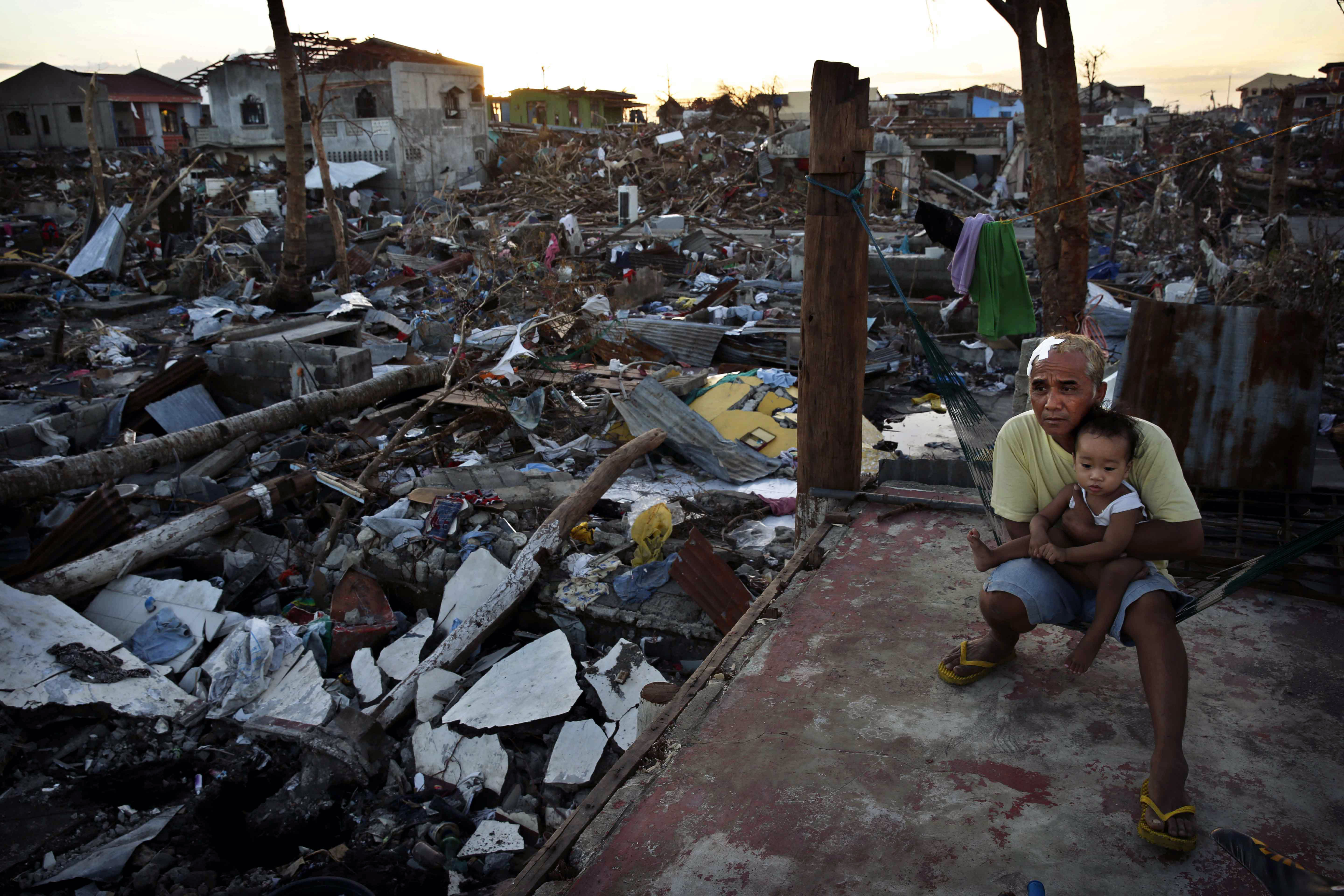
(Photo of the aftermath of Typhoon Haiyan from Getty)

